
How Much Does Tooth Extraction Cost? Find Out Here!
How Much Does Tooth Extraction Cost? A Comprehensive Guide to Understanding Dental Expenses
For many individuals, the prospect of tooth extraction can bring about a mix of concerns—particularly regarding the costs involved. Whether you're facing a necessary removal due to decay, infection, or orthodontic reasons, understanding the expenses associated with this procedure is crucial for planning your dental care budget. This guide aims to provide a thorough overview of what influences tooth extraction costs, what you can expect to pay, and tips to manage dental expenses effectively.
The cost of dental procedures, especially tooth extraction, varies widely depending on numerous factors. Factors such as the complexity of the extraction, the location of the dental practice, the experience of the dentist, and whether additional procedures like sedation or bone grafts are involved all influence the final price. For example, simple extractions of loose or easily accessible teeth tend to be more affordable than surgical extractions involving impacted teeth or those requiring anesthesia.
Understanding the different types of extractions can help you estimate costs more accurately:
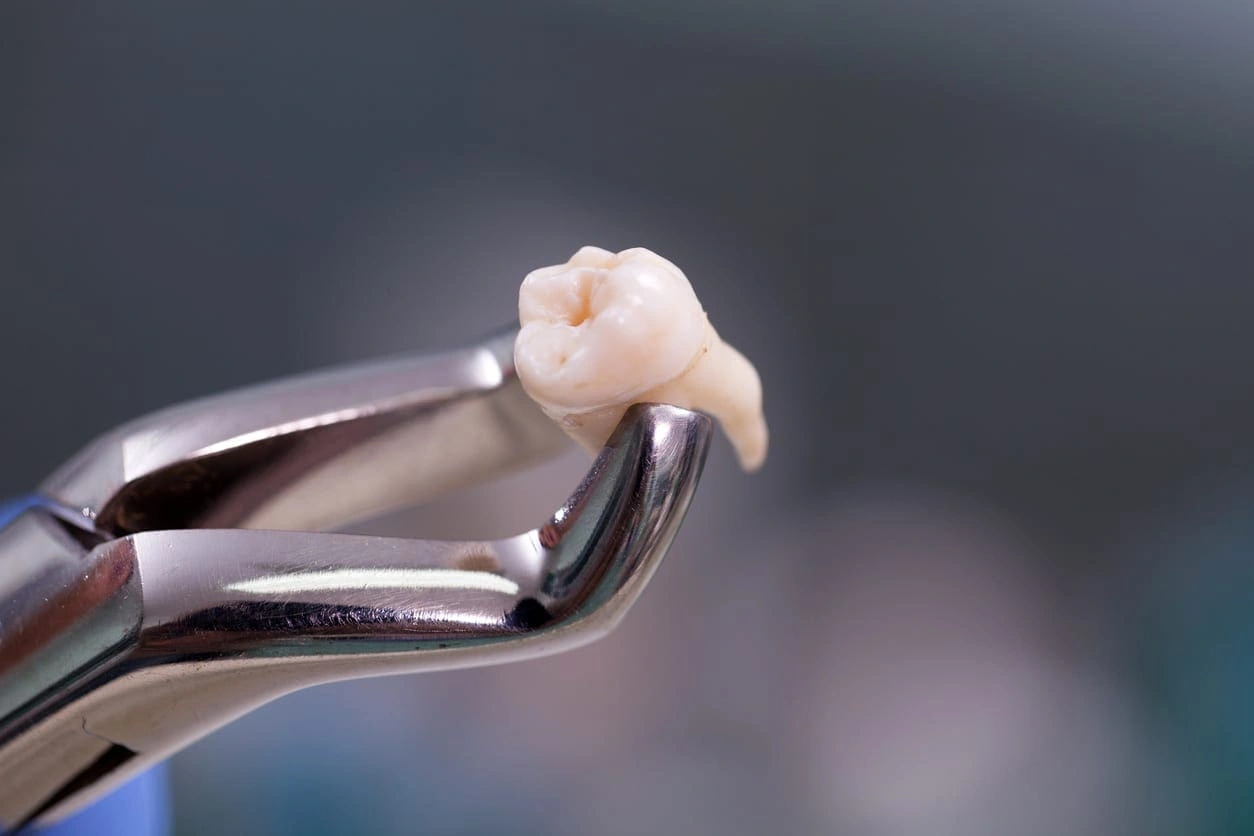
- Simple Extraction: Usually performed on visible teeth that are easy to loosen and remove. Costs typically range from $150 to $300 per tooth.
- Surgical Extraction: More complex and may involve removing teeth that are impacted, broken, or require cutting into the gums. Costs can range from $300 to $700 or more per tooth.
- Wisdom Tooth Extraction: Often considered a surgical procedure, especially if the tooth is impacted. Costs vary based on impaction severity and may go beyond $1,000 in some cases.
Several supplementary factors can add to the basic cost:
- Anesthesia: Use of local, sedation, or general anesthesia impacts the total price—local anesthesia typically adds minimal cost, while sedation can significantly increase expenses.
- Scope of the Procedure: Complex cases requiring bone removal, stitches, or grafts inherently cost more.
- Location & Facility Fees: Dental clinics in urban or affluent areas may charge higher prices due to overhead costs and market rates.
- Post-Operative Care: Follow-up visits or medications are sometimes included, but additional charges could occur based on individual needs.
Dental insurance policies often cover a portion of the expenses associated with tooth extractions, especially when medically necessary. Coverage specifics depend on your plan, but generally, preventive treatments have higher coverage than elective procedures. It's essential to review your policy details to understand what is covered, including deductibles, co-pays, and annual maximums. Consulting with your dental provider can also help determine coverage options and assist in maximizing your benefits.
While the cost of tooth extraction can seem daunting, there are strategies to make dental care more affordable:
- Explore Payment Plans: Many clinics offer flexible financing options, allowing you to spread out payments over time.
- Use Dental Discount Plans: These plans provide discounts on treatments at affiliated providers, offering savings without insurance requirements.
- Schedule Regular Dental Check-Ups: Preventive care minimizes the risk of complex procedures and unexpected expenses. Learn more about family dentistry services that can maintain your oral health.
- Seek Emergency Care When Needed: Prompt attention to dental issues can prevent escalation. For urgent needs, visit an emergency dental clinic like Emergency Campbell Heights.
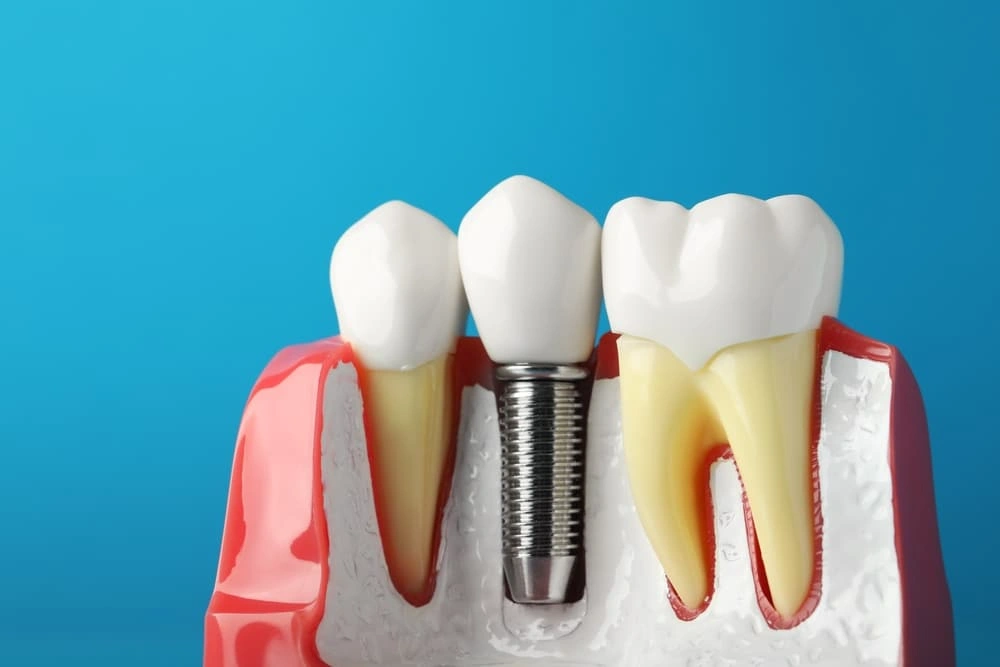
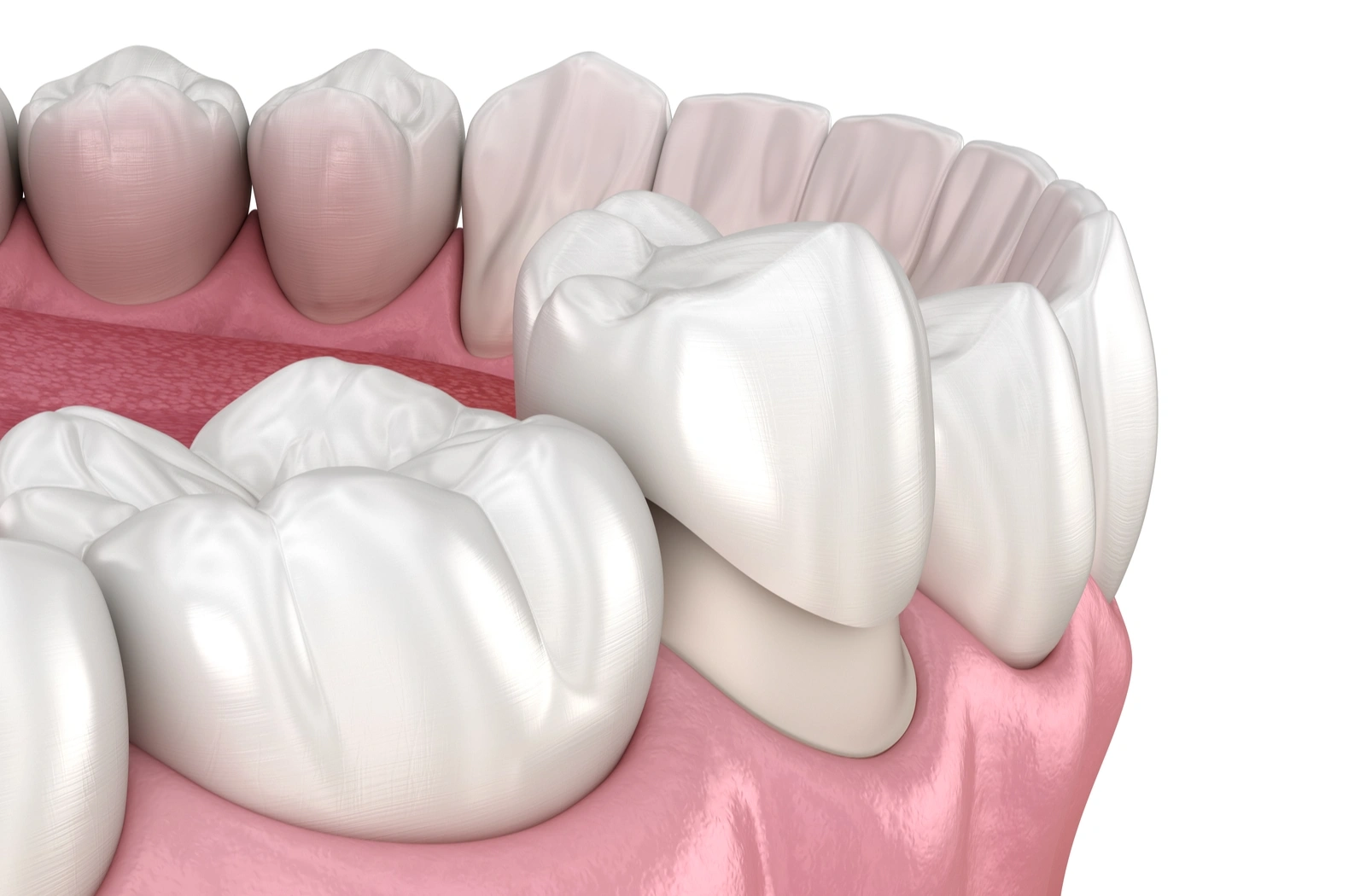
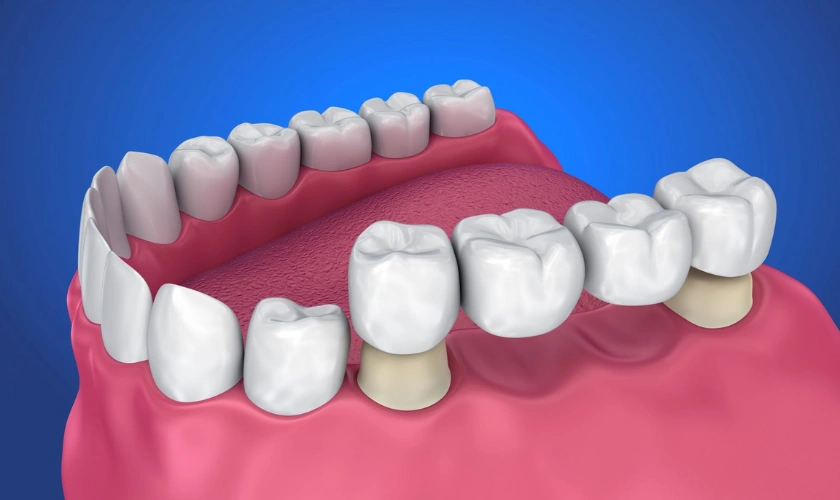
In some cases, restorative options such as dental implants or bridges may be appropriate and can sometimes be a more cost-effective long-term solution. Comparing [dental bridge vs. implant](https://southsurreydentistry.com/post/dental-bridge-vs-implant--whats-better) helps in making an informed decision based on your specific dental health needs and budget.
Preparation is key to ensuring a smooth and less costly procedure:
- Consult thoroughly with your dentist about all costs involved and treatment options.
- Follow pre-operative instructions to reduce risks and avoid complications.
- Discuss anesthesia options to choose the most appropriate and affordable choice for you.
- Arrange transportation to and from the clinic if sedation or anesthesia is involved.
Understanding the process can also help set realistic expectations. In a typical procedure, your dentist will numb the area with local anesthesia, and if necessary, administer sedation. The tooth will be carefully removed, and sutures might be placed to facilitate healing. Post-operative instructions will guide you through pain management, dietary restrictions, and oral hygiene to ensure proper healing.
Recovery times vary based on the complexity of the extraction, but generally, patients can expect to resume normal activities within a few days. Maintaining good oral hygiene and following your dentist's advice minimizes complications and additional costs from infections or dry socket.
Yes. Using over-the-counter pain relievers, applying ice packs, and eating soft foods can reduce discomfort and help you recover faster. Proper care minimizes the need for follow-up visits and additional procedures, saving money in the long run.
Addressing dental issues early not only reduces immediate costs but also prevents more complex and costly treatments down the road. Maintaining oral health with regular dental visits and prompt care can ultimately save you money and preserve your natural teeth longer.
Choosing a reputable dental clinic is vital for both quality and affordability. South Surrey Dental offers comprehensive dental services, including extractions, that prioritize patient comfort and transparent pricing. Ensuring your dental provider is experienced and well-rated guarantees a smoother, more cost-effective experience.
The total cost depends on the type of extraction needed (simple vs. surgical), anesthesia requirements, the complexity of your case, and the specific dental practice. Additional procedures like bone grafts or sedation can add to the expense.
Coverage varies depending on your insurance plan and whether the procedure is deemed medically necessary. It's best to review your policy details or consult with your insurer and dentist to clarify coverage options.
Exploring payment plans, utilizing discounts, maintaining good oral health for less invasive procedures, and scheduling timely visits can all contribute to minimizing expenses.
Most patients recover within a few days, but full healing may take up to a couple of weeks, especially after surgical extractions. Following post-operative care instructions helps ensure a swift and cost-effective recovery.
If your tooth is severely decayed, infected, or causing pain that affects daily life, prompt dental consultation is essential. Visiting a trusted practice like South Surrey Dental ensures you receive careful assessment and appropriate treatment.