
Dental Bridge vs. Implant – What’s Better for You?
What Are the Main Differences Between Dental Bridges and Dental Implants?
When considering tooth replacement options, many patients find themselves asking, “Dental bridge vs. implant – what’s better?” Both solutions aim to restore functionality, appearance, and confidence, but they differ significantly in process, longevity, and suitability. Understanding these differences helps you make an informed choice tailored to your dental health, lifestyle, and budget.
How Do Dental Bridges Work, and When Are They Recommended?
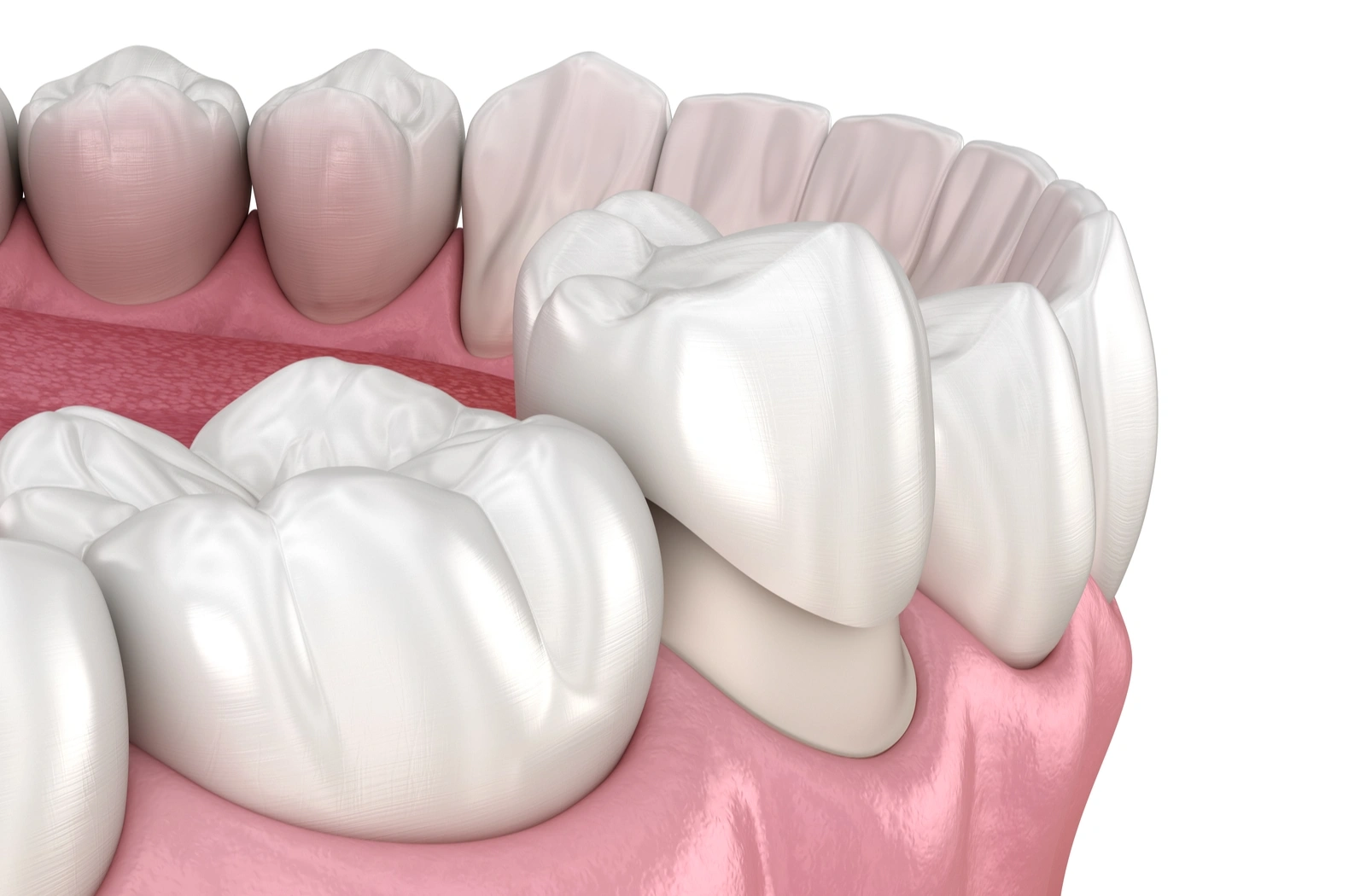
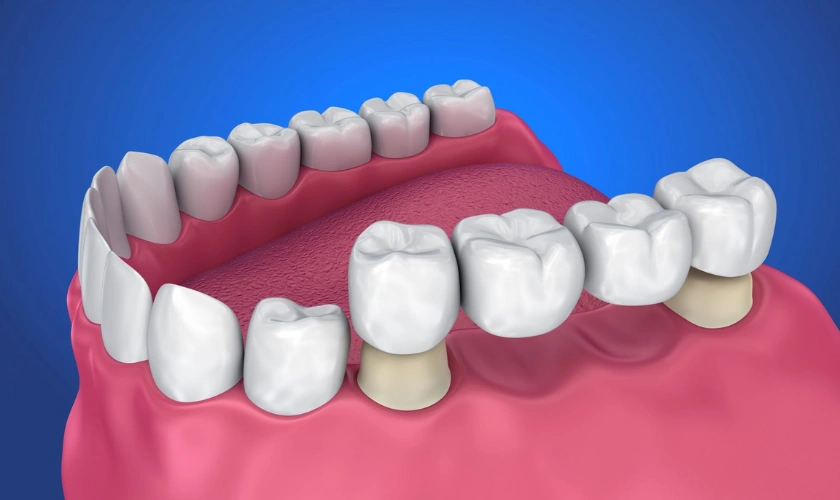
A dental bridge involves anchoring artificial teeth to adjacent healthy teeth or dental implants. This bridge fills the gap left by missing teeth, restoring biting ability and smile aesthetics. Dental bridges are generally recommended for patients with the following characteristics:
- Healthy neighboring teeth that can serve as abutments
- Moderate to small gaps in the smile
- A desire for a quicker, less invasive solution compared to implants
- Limited bone density in the jaw for implant placement
The procedure typically involves preparing the adjacent teeth (called abutments), taking dental impressions, and placing a custom-made bridge that is cemented in place. While it's a reliable option, the longevity of a dental bridge usually ranges from 5 to 15 years, depending on oral hygiene and habits.
What Are the Advantages of Dental Implants, and Who Is an Ideal Candidate?
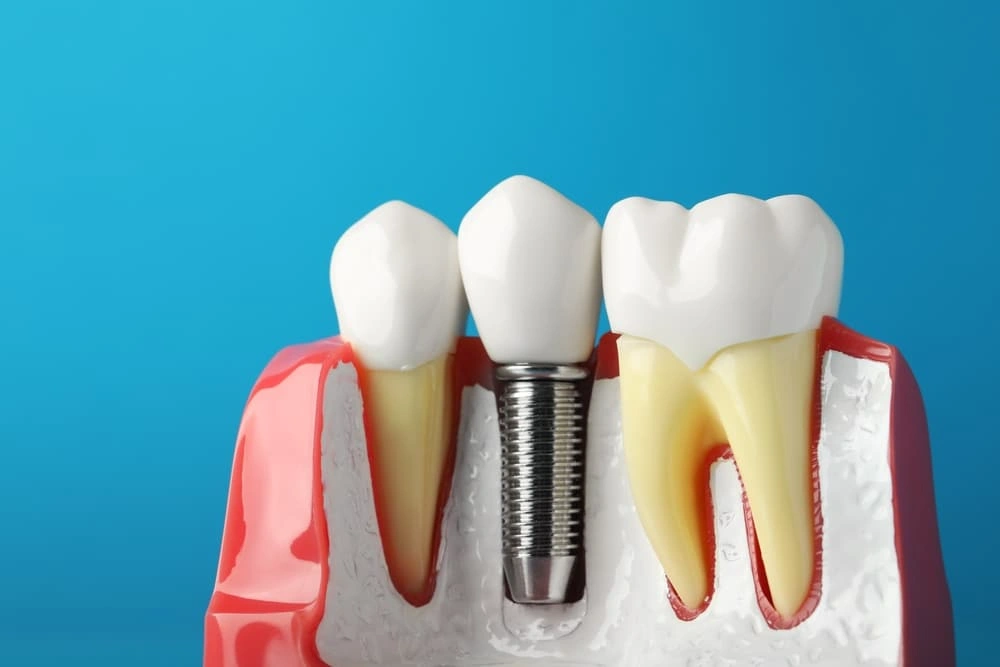
Dental implants are titanium posts surgically embedded into the jawbone, serving as artificial roots to support crowns, bridges, or dentures. They are often considered the gold standard for tooth replacement because of their durability and natural appearance. Visiting a local dentist for implant consultation can clarify your suitability.
Advantages of dental implants include:
- Exceptional durability and lifespan—often over 25 years
- Preservation of jawbone density, preventing bone loss
- Improved speech and biting function compared to other options
- Enhanced aesthetic that closely mimics natural teeth
Ideal candidates typically have good oral and overall health, sufficient jawbone density, and a commitment to maintaining oral hygiene. Patients with certain conditions like uncontrolled diabetes or periodontal disease may need additional evaluations or treatments before proceeding.
Which Option Preserves Bone Better: Dental Bridges or Implants?
Yes. Dental implants stimulate the jawbone through the process of osseointegration, preventing bone resorption often seen with missing teeth. Conversely, dental bridges do not interact with the jawbone beneath and can sometimes lead to gradual bone loss around the abutment teeth if not properly maintained. For long-term preservation of your facial structure and oral health, implants typically hold an advantage.
What Are the Cost and Durability Differences in Practice?
While initial costs for dental bridges are usually lower than implants, the long-term expenses can add up due to replacement and maintenance. Implants might have a higher upfront price, but their extended durability often makes them more cost-effective over decades. Factors influencing costs include materials used, the need for additional procedures (like bone grafts), and the complexity of your dental situation.
How Long Does the Treatment Process Take for Each Option?
A dental bridge can often be completed in 2-3 visits over a few weeks, making it a faster solution. In contrast, dental implants require a multi-stage process: initial implant placement, healing and osseointegration (which can take 3-6 months), followed by crown placement. Consequently, implants generally take longer but offer superior longevity and stability.
What Are the Maintenance and Care Requirements for Bridges and Implants?
Both options demand diligent oral hygiene practices, including brushing, flossing, and regular dental check-ups. However, family dentistry emphasizes that implants tend to be easier to clean and maintain over time. Bridges may trap food and plaque around the abutment teeth, increasing the risk of decay if not properly cleaned with specialized floss or interdental brushes.
Can Dental Bridges or Implants Be Used in All Cases of Tooth Loss?
Yes. Patients with insufficient jawbone volume might not qualify for implants without additional procedures like bone grafts. On the other hand, bridges require healthy neighboring teeth for support; if these are compromised, an implant may be preferable. Your dentist might recommend diagnostic imaging and assessments to determine the most viable option for your specific case.
Are There Additional Factors to Consider When Choosing Between a Dental Bridge and an Implant?
Beyond cost and durability, consider aesthetic preferences, lifestyle, and future dental health. Implants offer a more natural look and feel, especially for multiple missing teeth. Conversely, bridges might be more suitable for patients with certain health conditions or those seeking quicker results. Engaging with a trusted dental professional can help clarify your options and tailor a plan that aligns with your goals.
How Does Lifestyle Impact the Choice Between Dental Bridges and Implants?
Yes. If you lead an active lifestyle or have a history of bruxism (teeth grinding), implants tend to be more resilient to accidental damage. Additionally, habits like smoking can influence healing and success rates for implants. Discuss your lifestyle openly with your dentist to ensure the selected treatment supports your long-term oral health.
What Are the Most Common FAQs About Dental Bridges and Implants?
Most patients experience mild discomfort that can be managed with over-the-counter medications. Your dentist will provide specific post-operative care instructions to facilitate healing.
Absolutely. It’s possible to replace a bridge with an implant if circumstances or preferences change over time, especially if the supporting teeth or jawbone health deteriorate.
Dental implants are generally superior in restoring full chewing strength and function, providing a stable, natural feel similar to your own teeth.
Conclusion: Making Your Choice for a Healthier Smile
Ultimately, deciding between a dental bridge and a dental implant hinges on your specific dental health, lifestyle, and personal preferences. While bridges may suit those seeking a quicker, less invasive option, implants offer superior durability, bone preservation, and longevity. Consulting with a knowledgeable dental professional—like the experts at South Surrey Dental—is essential in making an informed decision. Remember, a healthy, confident smile is a lifelong investment, and the right tooth replacement can make all the difference.