When Should a Child See a Dentist? Essential Timing Guide
When Should a Child See a Dentist? Essential Tips Every Parent Must Know!
As a parent, ensuring your child's oral health from an early age is one of the most important responsibilities you have. Many parents ask, when should a child see a dentist? Understanding the appropriate timing and frequency of dental visits can set your child on the path to a healthy, confident smile for life. This comprehensive guide will reveal in-depth insights, actionable tips, and clarify common misconceptions, empowering you to make informed decisions about your child's dental care.
Starting dental visits early is crucial because it helps identify potential issues before they develop into serious problems. Early assessments allow your child's dentist to monitor dental development, address oral habits like thumb sucking, and educate both parents and children about effective oral hygiene practices. Preventive care can significantly reduce the risk of cavities and other dental diseases later in life, making early visits a wise investment.
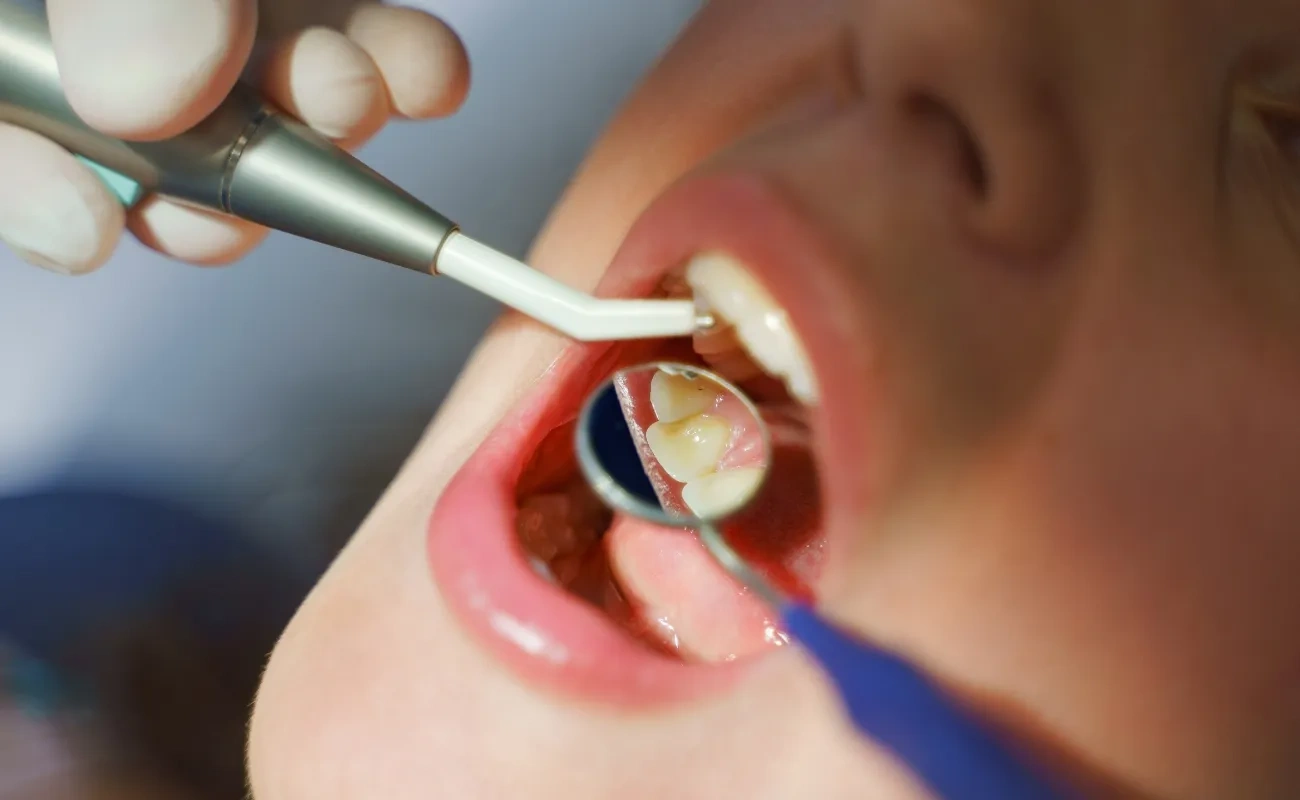
The American Dental Association recommends that a child's first dental visit should occur within six months after the first tooth erupts or by the age of one year. This initial visit is typically brief and focused on getting your child comfortable with the dental environment. During this appointment, the dentist will evaluate the child's risk for dental issues, provide guidance on feeding and oral hygiene, and discuss fluoride treatments if necessary.
While regular check-ups are essential, it's also important to recognize signs that require prompt dental attention:
- Persistent or severe tooth pain
- Signs of tooth decay such as brown or black spots
- Bleeding gums or oral injuries
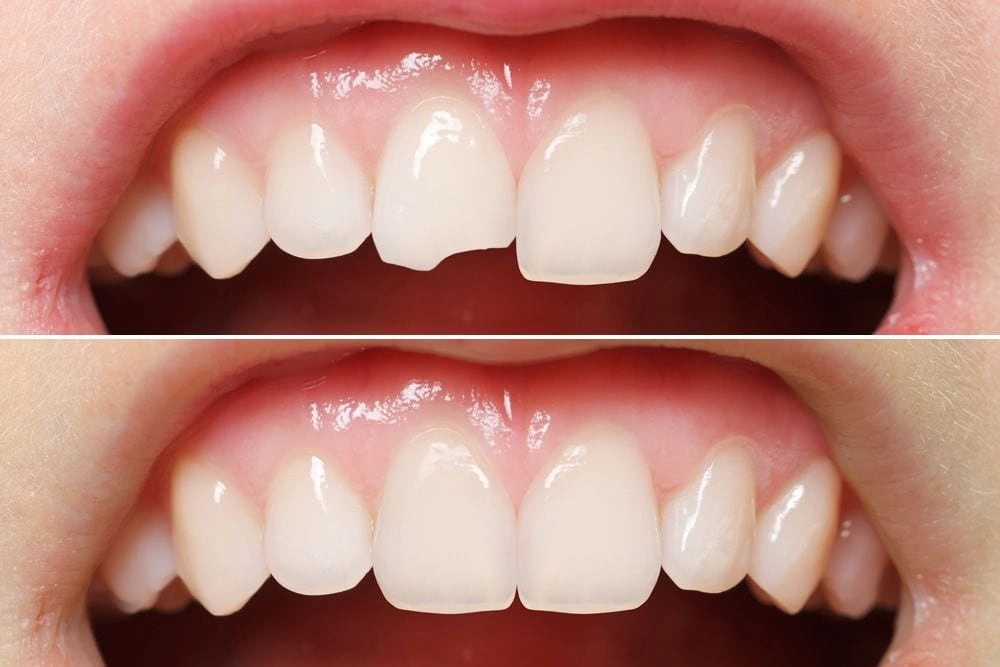
- Loose or knocked-out teeth
- Difficulty chewing or persistent mouth discomfort
If your child exhibits any of these signs, do not delay in scheduling a visit; addressing issues early can prevent more complex treatments down the line.
Creating a positive experience starts at home. Here are some practical tips:
- Use relatable language and avoid scaring your child about dental visits.
- Read children's books about going to the dentist to build familiarity.
- Schedule the appointment at a time when your child is well-rested and in good spirits.
- Reinforce that the dentist is a friendly professional who helps keep their teeth healthy.
- Bring along a comfort item, such as a favorite toy or blanket, to ease anxiety.
Early orthodontic evaluations are recommended around age 7. This allows the dentist or orthodontist to identify potential alignment issues and develop a treatment plan if necessary. Early intervention can prevent more complex procedures later, ensuring that your child's jaw and teeth develop correctly. For specific orthodontic solutions, explore [orthodontic services in Crescent Beach BC](https://southsurreydentistry.com/post/orthodontic-services-crescent-beach-bc).
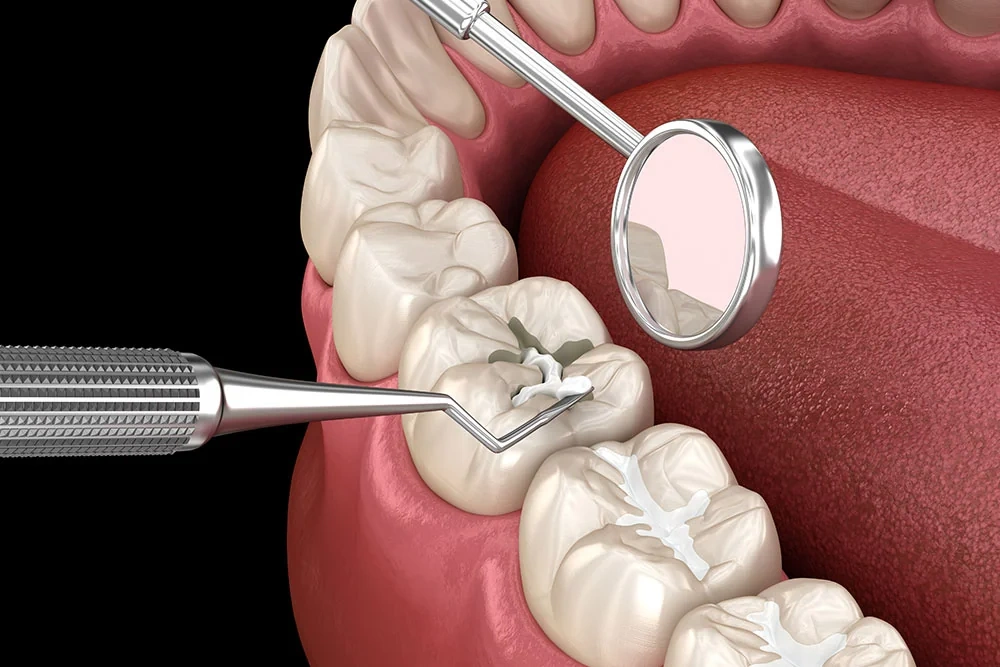
Absolutely. Routine check-ups allow the dentist to detect early signs of cavities, gum disease, and other oral health issues. Preventive treatments like fluoride applications and sealants strengthen tooth enamel, markedly reducing the risk of decay. Educating your child on proper brushing and flossing techniques during visits further supports lifelong dental health.
Consistency is key in establishing solid oral hygiene habits. Here are some expert recommendations:
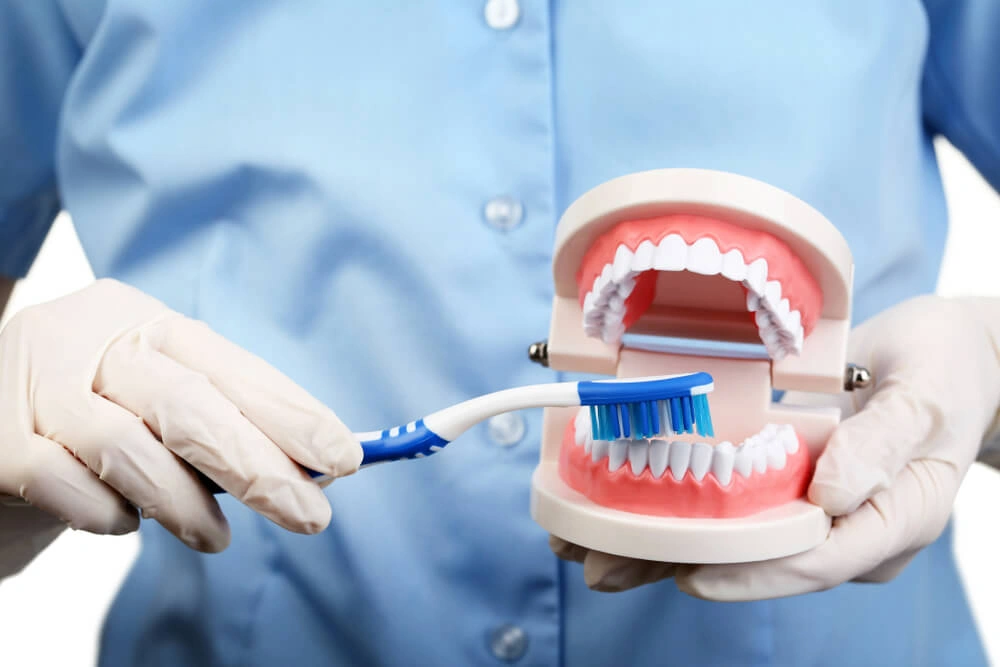
- Brush your child's teeth twice daily with fluoride toothpaste suited for their age.
- Introduce flossing once teeth start to touch.
- Limit sugary snacks and beverages, which promote tooth decay.
- Encourage drinking plenty of water to rinse away food particles and bacteria.
- Lead by example; children mimic their parents’ habits.
Accidents happen, and dental injuries can be urgent. If your child experiences a knocked-out or broken tooth, act quickly:
- Stay calm and handle the injury gently.
- If a tooth is knocked out, try to retrieve it, and keep it moist by placing it in milk or saline solution.
- Seek emergency dental care immediately; quick action can save the tooth or minimize damage.
Regular dental visits include assessments for trauma risk and guidance on injury prevention strategies.
Look for a pediatric dentist or a general dentist experienced in working with children. Ensure the dental office provides a welcoming, kid-friendly environment and employs staff trained in handling children's dental anxiety. For comprehensive care, consider practices that offer a broad range of services, such as [full-mouth restoration in Fern Ridge BC](https://southsurreydentistry.com/post/full-mouth-restoration-fern-ridge-bc) when needed, to address more complex cases as your child grows.
Many modern dental practices incorporate advanced technologies such as digital X-rays, air abrasion, and sedation options to improve patient comfort. South Surrey Dental uses state-of-the-art equipment and techniques to ensure your child's experience is as pleasant as possible. Additionally, some clinics offer same-day emergency services for urgent situations, making it easy to get prompt care [near me](https://southsurreydentistry.com/post/sameday-dental-service-near-me).
It's common for children to feel nervous about visiting the dentist. Strategies to ease fears include:
- Scheduling short, introductory visits to familiarize your child with the setting.
- Using positive reinforcement and praise.
- Choosing a dental team with expertise in pediatric sedation if necessary.
- Applying distraction techniques during treatments, such as videos or music.
Summary: Building a Healthy Smile Starts Early
Knowing when a child should see a dentist and understanding the importance of early dental care can profoundly influence your child's oral health journey. Regular visits from the appearance of the first tooth through adolescence promote healthy development and prevent future problems. Whether it's establishing good oral hygiene habits at home, seeking timely orthodontic assessments, or managing dental emergencies, proactive steps ensure your child's smile stays vibrant and healthy.
Frequently Asked Questions (FAQs)
Ideally, within six months of the first tooth erupting or by their first birthday to establish a dental home and start preventive care.
Look for white or brown spots on teeth, bad breath, gum bleeding, or complaints of pain or discomfort during eating or brushing.
Yes, sugary and acidic foods promote cavities and erosion. Encouraging balanced nutrition and limiting sugary treats supports healthier teeth.
Most children benefit from biannual check-ups, although your dentist may recommend more frequent visits based on individual needs.
Consistent brushing with fluoride toothpaste, reducing sugar intake, regular dental check-ups, and professional fluoride treatments are key strategies.
For expert guidance tailored to your child's unique needs, contact South Surrey Dental. Our friendly team is dedicated to fostering healthy smiles that last a lifetime.