
What Procedures Does an Oral Surgeon Perform? | Expert Guide
What Procedures Does an Oral Surgeon Perform? A Comprehensive Guide to Oral Surgery Services
Oral surgeons are highly specialized dental professionals trained to diagnose and treat a wide range of complex oral and facial conditions. Their extensive expertise allows them to perform surgical procedures that go beyond the scope of general dentistry, ensuring comprehensive care for patients with intricate dental needs. If you're curious about what procedures does an oral surgeon perform?, this guide provides an in-depth overview of common and specialized treatments, guiding you through what to expect and how these procedures can improve your oral health and overall well-being.
What Types of Surgical Procedures Are Commonly Performed by an Oral Surgeon?
Oral surgeons handle various complex procedures, often involving the jaw, facial bones, soft tissues, and dental structures. These treatments are critical for addressing problems that cannot be resolved through conventional dental care. Below, we explore some of the most prevalent procedures performed by oral surgeons, emphasizing their significance and benefits.
How Does Wisdom Teeth Extraction Improve Oral Health?
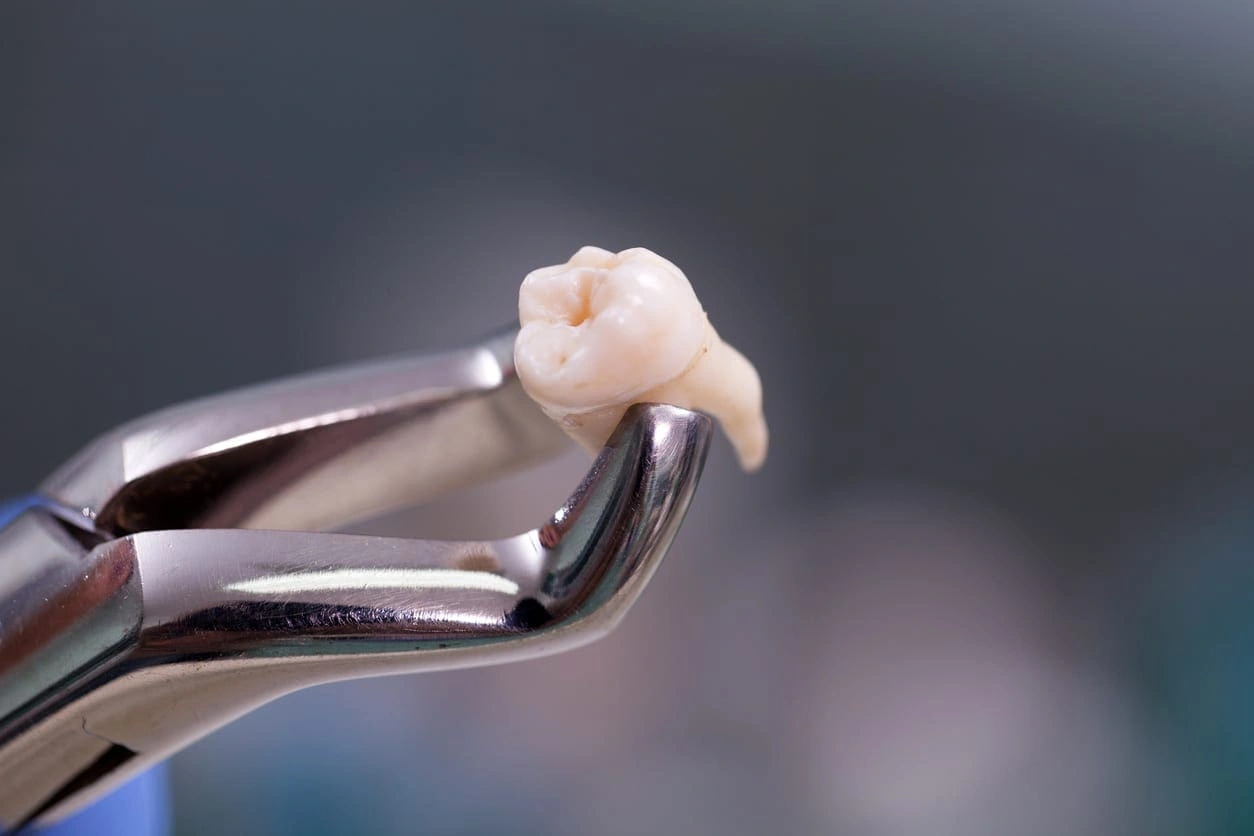
Wisdom teeth, or third molars, are frequently impacted or erupt improperly, leading to pain, infection, or damage to neighboring teeth. An oral surgeon specializes in safely removing wisdom teeth, especially when the procedure demands anesthesia or complex extraction techniques. This procedure not only alleviates discomfort but also prevents future dental problems such as cyst formation, crowding, or damage to adjacent teeth.
What Is a Dental Implant and How Does an Oral Surgeon Place Them?
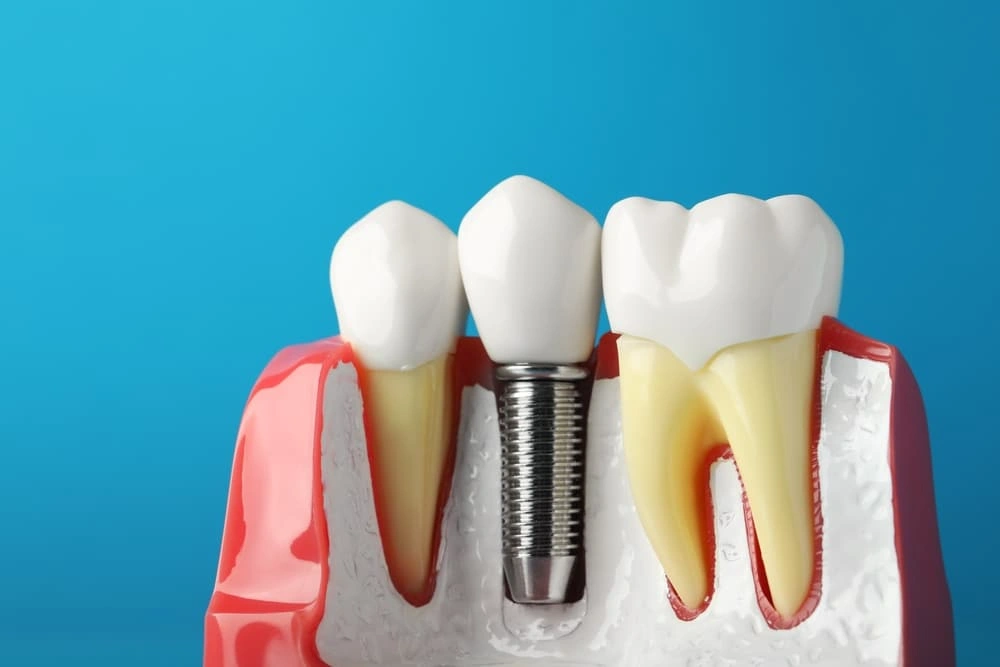
Dental implants are revolutionary solutions for replacing missing teeth, restoring both function and aesthetics. Placing dental implants requires precise surgical placement into the jawbone, which is an intricate procedure best performed by a trained oral surgeon. During the process, the surgeon ensures proper positioning for optimal integration and stability. For more details on advanced implant procedures, visit our dental implant services.
Are Bone Grafting and Sinus Lifts Necessary Before Implant Placement?
Bone grafting and sinus lifts are common preparatory procedures for patients with insufficient jawbone density. These surgeries augment the bone, creating a sturdy foundation for implants. Typically performed under anesthesia, these advanced procedures are critical to achieving long-term success of dental restorations. An oral surgeon evaluates whether you need these enhancements as part of your treatment plan.
What Conditions Require Oral and Maxillofacial Surgery?
Beyond routine procedures, oral surgeons are equipped to treat complex conditions involving the jaws, face, and neck. Some of these include:
- Traumatic injuries to the jaw, facial bones, or soft tissues
- Corrective jaw surgeries for misaligned bites or temporomandibular joint (TMJ) disorders
- Pathological conditions such as cysts, tumors, or oral cancers
- Facial deformities correction, including cleft palate repair
- Other reconstructive surgeries following trauma or disease
How Do Corrective Jaw Surgeries Benefit Patients?
Under the umbrella of oral and maxillofacial surgery, corrective jaw procedures—also known as orthognathic surgeries—address functional and aesthetic issues caused by jaw misalignments. These surgeries can improve chewing, speech, breathing, and facial symmetry. An experienced oral surgeon meticulously plans these complex procedures to ensure optimal outcomes, often working in conjunction with orthodontists.
What Is the Role of an Oral Surgeon in Treating Oral Pathologies?
Oral surgeons play a vital role in diagnosing and removing benign and malignant lesions of the mouth, jaw, and neck. Surgical excision of cysts, tumors, or other abnormal growths is essential for preserving health, alleviating pain, and preventing the spread of disease. Precise removal often involves reconstructive techniques to restore form and function after surgery.
What Should You Expect During an Oral Surgery Consultation?
When considering an oral surgery procedure, an initial consultation with a qualified oral surgeon will include a thorough examination, diagnostic imaging, and treatment planning. Your surgeon will discuss the procedure specifics, anesthesia options, recovery expectations, and post-operative care. Being well-informed helps you prepare mentally and physically for your upcoming procedure.
What Post-Operative Care Is Required After Oral Surgery?
Proper aftercare is crucial to ensure a smooth recovery and successful healing. This typically involves managing pain and swelling, following a soft or liquid diet, maintaining oral hygiene, and attending follow-up appointments. Your oral surgeon will provide detailed instructions tailored to your specific procedure, aiming to minimize complications and maximize results. Additional resources, such as how long do dental procedures take, can help you understand typical timeline expectations.
Are There Non-Surgical Alternatives to Some Oral Surgery Procedures?
While many procedures require surgical intervention, some conditions may be managed with non-surgical or minimally invasive options. Consulting with an oral surgeon helps determine the most effective treatment plan tailored to your needs, balancing professional expertise with your personal health goals.
How Can South Surrey Dental Help You with Oral Surgery Needs?
At South Surrey Dental, our experienced oral surgeons provide comprehensive surgical services with compassionate care and advanced technology. We prioritize patient comfort while delivering optimal results. Whether you need wisdom teeth removal, dental implants, or complex jaw surgery, our team is dedicated to guiding you through each step of your treatment journey.
Frequently Asked Questions (FAQs): What Procedures Does an Oral Surgeon Perform?
If you're experiencing severe tooth pain, trauma to the face or mouth, impacted wisdom teeth, or suspect any abnormal growths, consulting an oral surgeon is advisable. They perform detailed evaluations to recommend appropriate treatment.
Thanks to anesthesia options and advanced surgical techniques, most procedures are completed with minimal discomfort. Your surgeon will discuss pain management strategies to ensure a comfortable experience during and after surgery.
Recovery times vary depending on the procedure. Minor extractions may heal within a few days, while more extensive surgeries can require several weeks for full healing. Your surgeon provides tailored guidelines to facilitate optimal recovery.
Preparation may involve fasting, arranging transportation, and adhering to specific pre-op instructions provided by your surgeon. Clear communication with your dental team ensures a smooth surgical experience.
Conclusion: Why Trust South Surrey Dental for Your Oral Surgery Procedures?
Understanding what procedures an oral surgeon performs empowers you to make informed decisions about your oral health. From routine wisdom teeth removal to complex reconstructive surgeries, skilled oral surgeons are essential for maintaining and restoring oral function and appearance. At South Surrey Dental, our dedicated team offers professional outpatient surgical services with state-of-the-art technology and compassionate care. Whether you're considering dental implants or need corrective jaw surgery, we are committed to guiding you through every step with clarity and confidence.
To learn more about our comprehensive dental services or schedule a consultation, visit our website or contact us today. Your journey to a healthier, more confident smile starts here.