
What is Covered Under Public Dental Care Plans? Explained!
Unveiling the Truth: What is Covered Under Public Dental Care Plans? Discover the Surprising Benefits!
Are you curious about what essential dental treatments are accessible through public dental care plans? Navigating the complex world of dental benefits can be daunting, especially with so many misconceptions floating around. At South Surrey Dental, we believe in empowering our patients with in-depth, accurate information. This article will reveal the surprising truths about what is actually covered under public dental care plans and how you can maximize your oral health benefits. Buckle up—your journey to a healthier, more confident smile starts here!
What Does Public Dental Care Typically Cover?
Public dental care plans are designed to make essential oral healthcare accessible to everyone, especially vulnerable populations such as seniors, children, and low-income families. But what is covered under public dental care plans? The coverage varies depending on your location and specific benefits program. Generally, these plans prioritize basic treatments, including:
- Dental examinations and check-ups: Regular assessments to prevent issues before they escalate.
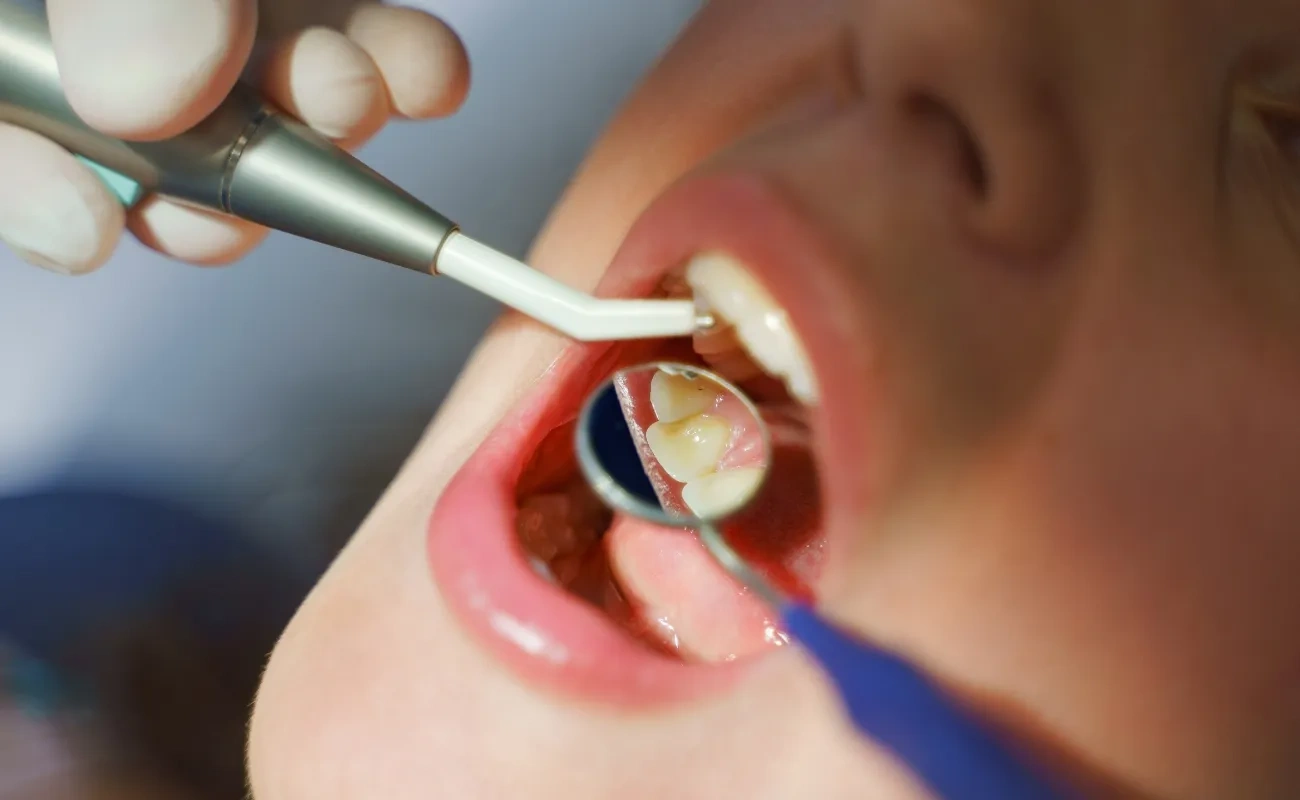
- Professional cleaning and scaling: Essential for maintaining oral hygiene and preventing gum disease.
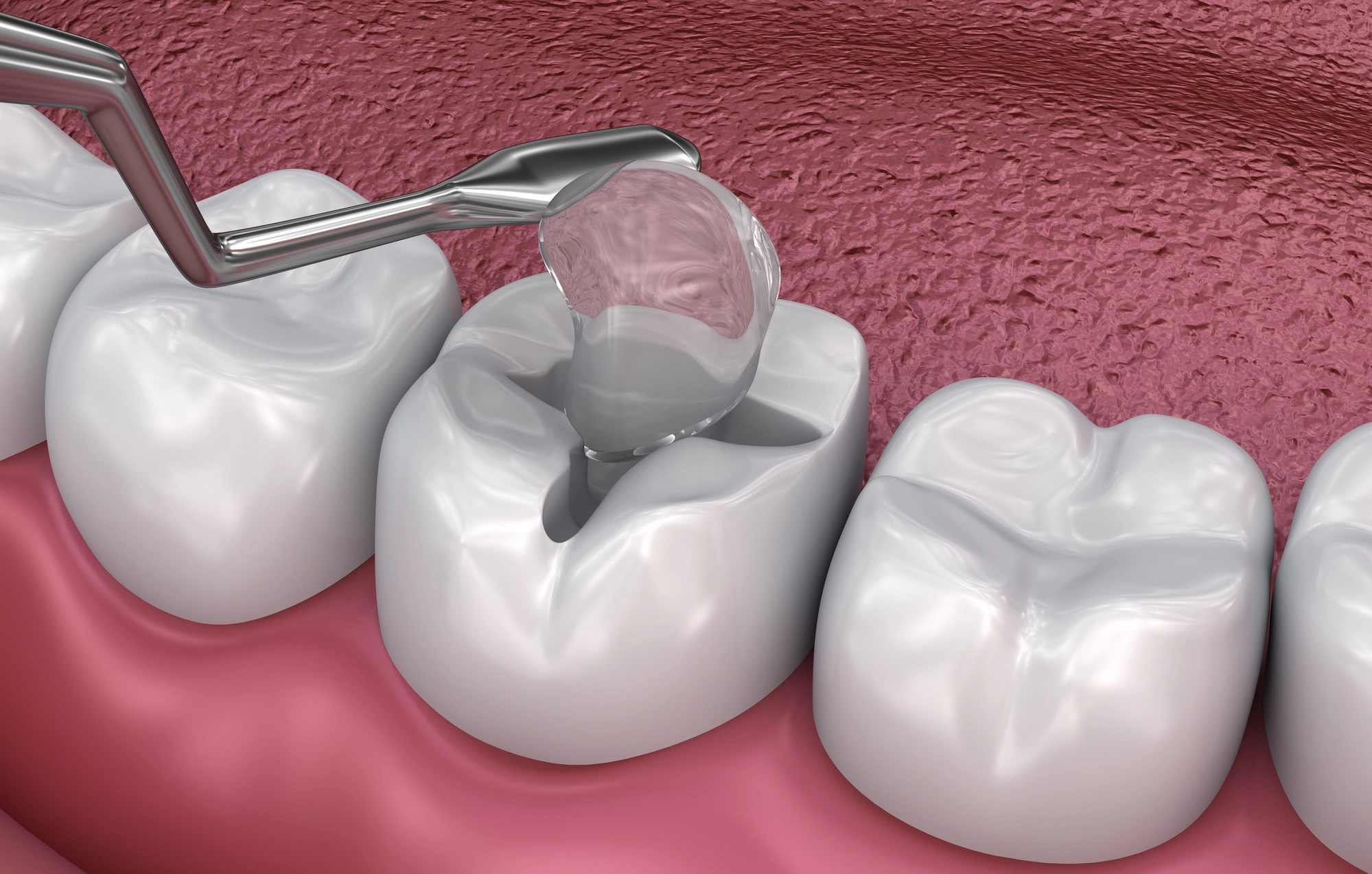
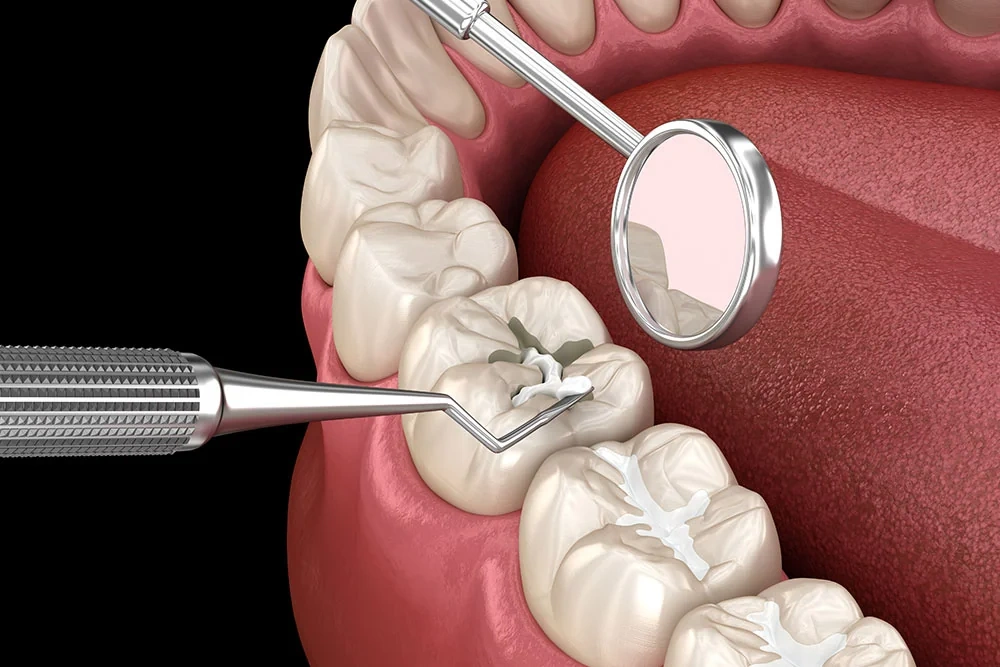
- Fillings and restorations: Basic cavity repair to preserve your tooth structure.
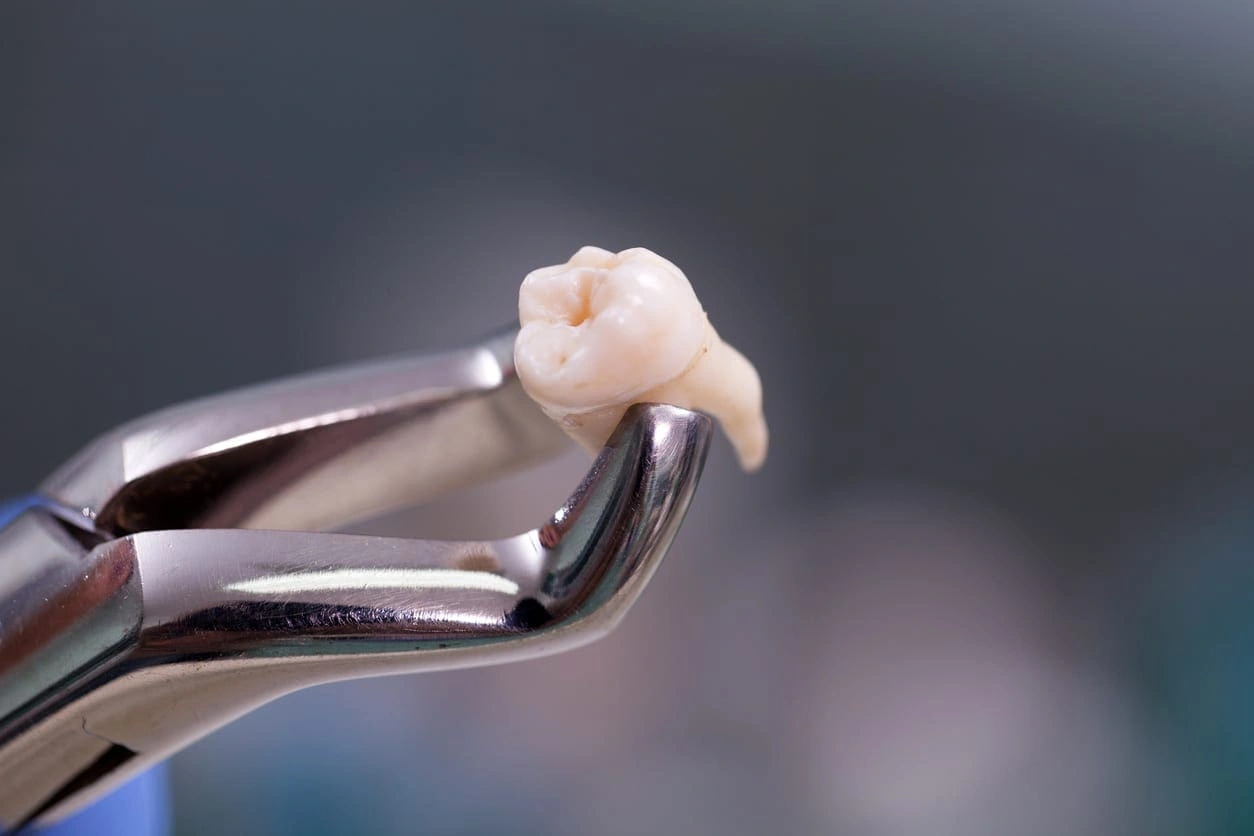
- Extraction services: Removing severely decayed or damaged teeth when necessary.
- Preventive services: Fluoride treatments and sealants to safeguard against decay.
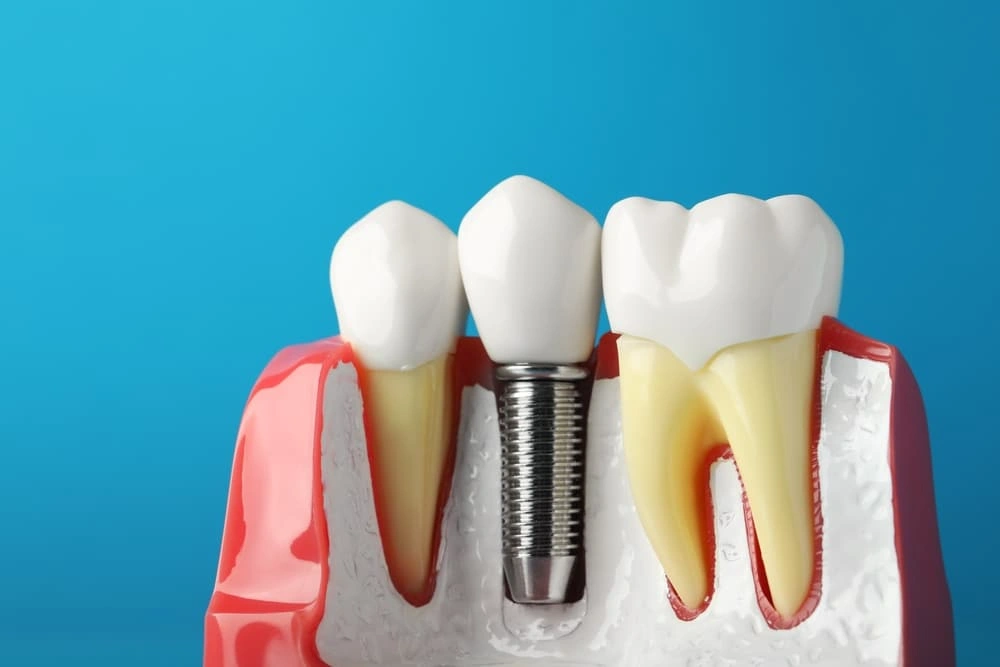
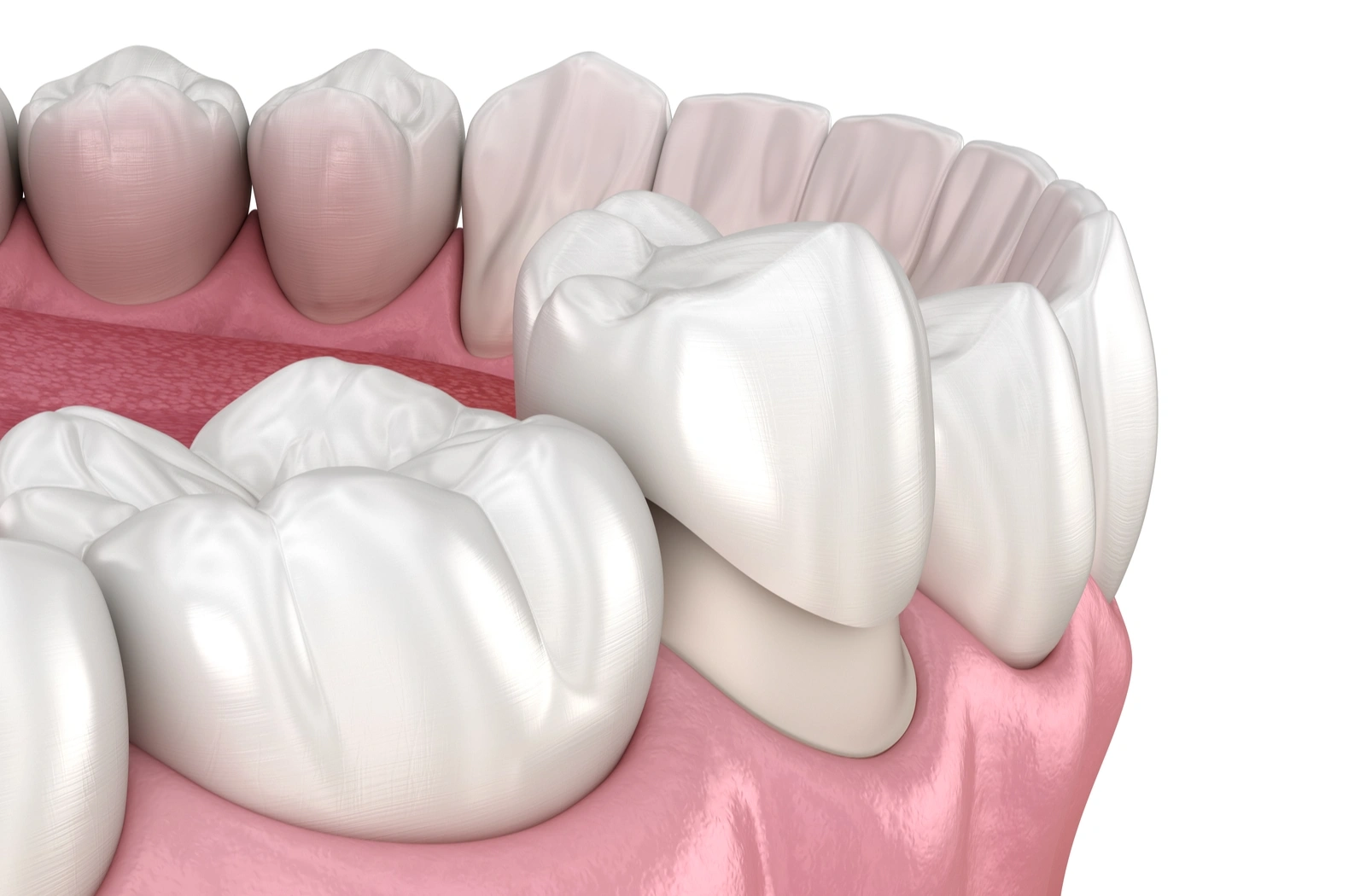
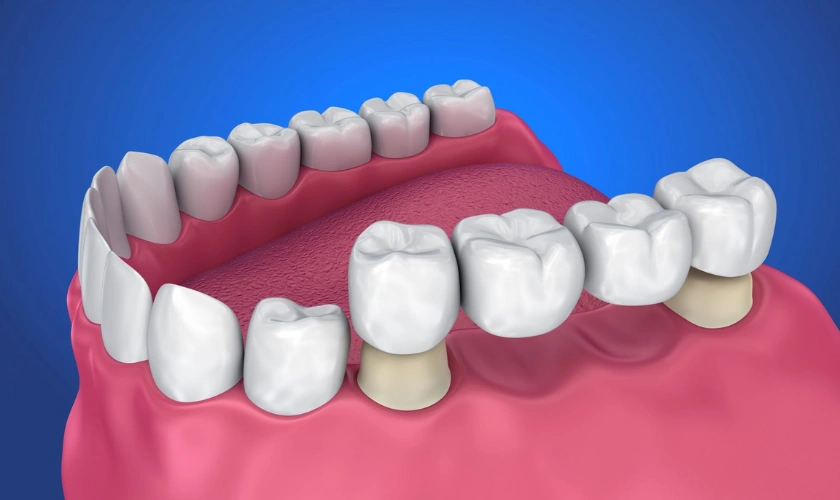
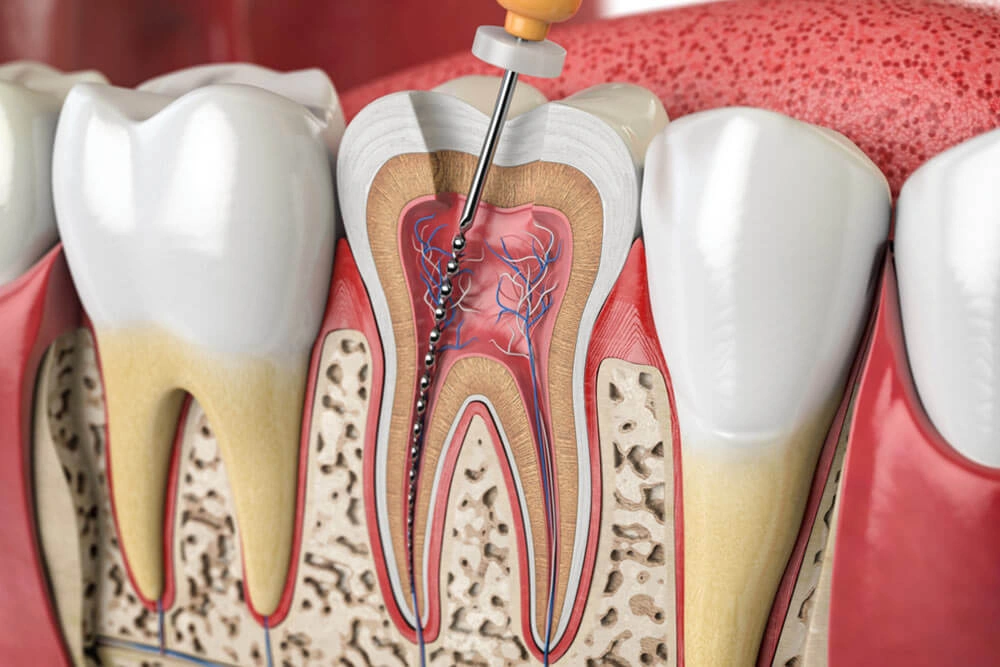
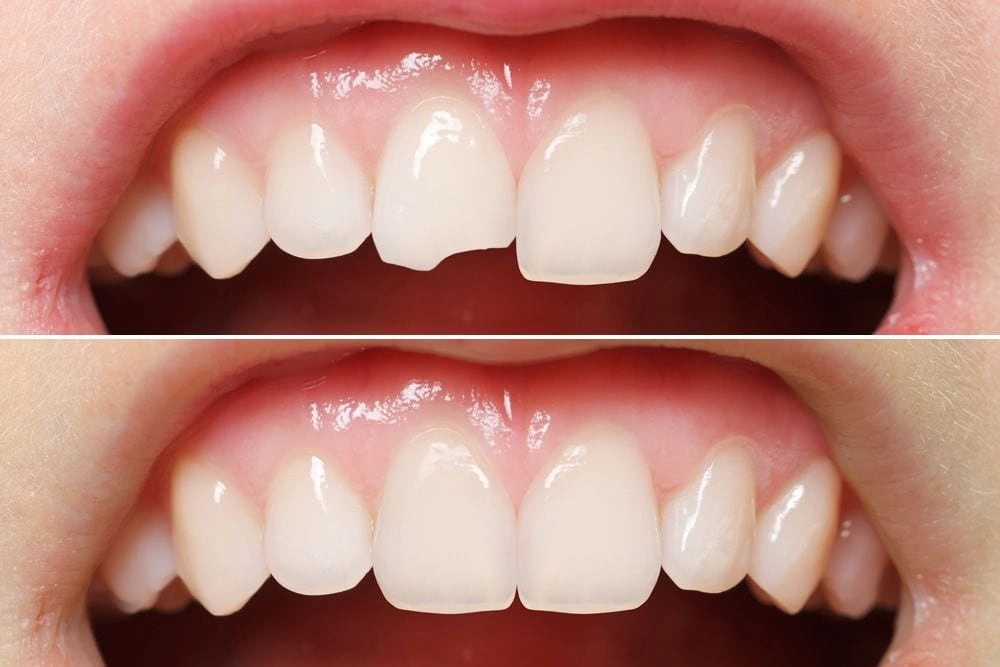
However, many advanced procedures such as root canals, crowns, or cosmetic enhancements are usually not covered under public health plans. It's crucial to understand the scope of your plan to avoid unexpected costs and ensure comprehensive care.
Are There Hidden Benefits of Public Dental Coverage That People Overlook?
Absolutely! Beyond the basic treatments, public dental care plans often include some surprising perks that can significantly enhance your oral health and overall wellbeing:
- Early detection of serious conditions: Regular check-ups can catch signs of oral cancer or systemic diseases linked to oral health.
- Access to educational resources: Many programs offer guidance on proper brushing, flossing, and dietary habits.
- Reduced financial barriers: Subsidized or free treatments ensure that cost doesn't prevent timely care.
- Coverage for children’s dental needs: Ensuring your kids develop healthy habits from an early age.
For example, finding a top pediatric dentist can be easier with public coverage, fostering a positive dental experience for your little ones.
How Can You Maximize Your Benefits Under Public Dental Plans?
Maximizing your coverage is essential to ensure you receive comprehensive dental care without unnecessary expenses. Here are actionable steps:
- Review your plan details: Carefully read the policy documents to know exactly what is covered, including any limitations or exclusions.
- Consult with your dental provider: Speak to your dentist about the covered services and clarify what treatments are eligible under your plan.
- Schedule regular check-ups: Preventive care is typically prioritized and fully covered, helping you avoid costly treatments later.
- Keep records and receipts: Always retain official documentation for any claims or reimbursements.
Most public plans do offer coverage for urgent dental issues, but the extent varies. For immediate dental emergencies, such as severe tooth pain, broken teeth, or infections, visiting a qualified emergency dentist ensures prompt relief and necessary treatment. Always verify if your plan includes emergency services to avoid surprise expenses during critical moments.
Is It Possible to Combine Public Dental Care with Private Insurance?
Yes! Combining public and private insurance can expand your coverage limits and include additional services like crowns, cosmetic work, or complex procedures. It's wise to explore affordable options such as how to find affordable dental insurance to complement your public benefits effectively.
What Are the Limitations of Public Dental Care Plans?
While public dental plans are invaluable, they do have limitations:
- Coverage caps: Some plans impose annual or lifetime maximums on benefits.
- Limited procedures: Advanced or cosmetic treatments are often excluded.
- Waiting periods and eligibility criteria: New applicants may face waiting periods before coverage begins.
- Potential delays in scheduling: Public clinics may have longer wait times for non-urgent care.
Understanding these limitations helps you plan your dental visits strategically and consider supplemental coverage for enhanced benefits.
Why Is Regular Dental Care Under Public Plans Still Essential?
Consistent, routine dental visits are the cornerstone of maintaining your oral health, regardless of coverage. They help prevent dental diseases, detect issues early, and improve overall health outcomes. Brushing, flossing, and visiting your dentist regularly are habits that foster lifelong smiles. For urgent care, remember you can find immediate assistance from local clinics, such as same-day dental service in Ocean Park BC.
Indeed! Many regions offer tailored plans for children, seniors, or people with disabilities. For example, children often qualify for comprehensive coverage that supports their dental health needs as they grow. Exploring regional programs ensures your loved ones receive appropriate, covered care at every stage of life.
How Can You Find the Best Dental Facility That Accepts Public Benefits?
Choosing the right clinic can make a significant difference. Look for dental practices that specialize in public health programs, have a good reputation, and offer flexible scheduling. South Surrey Dental regularly works with publicly insured patients, providing friendly, high-quality care tailored to your needs.
What Are Some Tips for Maintaining Oral Hygiene While Using Public Dental Services?
- Brush at least twice daily with fluoride toothpaste.
- Floss daily to remove plaque between teeth.
- Limit sugary foods and drinks that promote decay.
- Stay hydrated to support saliva production.
- Schedule regular check-ups, even if your coverage is limited.
Proper home care, coupled with timely professional visits, makes a world of difference in preserving your smile long-term.
Oral health is closely linked to systemic health issues like heart disease, diabetes, and respiratory infections. Public dental programs aim to promote preventive care, which in turn reduces the risk of serious health complications. By understanding what is covered under public dental care plans, you’re investing in your overall wellbeing as much as your smile.
Conclusion: Embrace the Benefits and Make the Most of Your Public Dental Coverage
Understanding what is covered under public dental care plans is vital for making informed decisions about your oral health. With a clear grasp of available services, potential benefits, and limitations, you can optimize your dental care routine, access timely treatments, and protect your most valuable asset—your smile. Remember, quality dental care is within reach, and local providers like South Surrey Dental are here to support your journey towards a healthier, brighter smile.
Frequently Asked Questions (FAQs)
Most public plans exclude cosmetic procedures such as teeth whitening, crowns, veneers, and orthodontics. For these, supplemental insurance or private pay options may be necessary.
It is generally recommended to see your dentist at least twice a year for routine check-ups and cleanings. However, your provider might suggest more frequent visits based on your oral health status.
Yes. Most public dental care plans include coverage for urgent issues like pain relief, broken teeth, or infections. Always contact your local provider promptly for emergencies.
Qualifying criteria vary by region and income level. Check with your local health authority or visit South Surrey Dental for guidance on eligibility and application procedures.
Research private dental insurance plans that complement your public benefits, focusing on coverage for advanced or cosmetic procedures. Consult a dental insurance expert to craft a plan that suits your needs and maximizes benefits.