What is Considered a Dental Emergency? Find Out Now!
Unpacking the Urgency: What is Considered a Dental Emergency?
Most of us know the typical signs of dental trouble — a throbbing toothache or a chipped tooth. But when does a dental issue go from a manageable discomfort to something that requires immediate attention? If you've ever found yourself asking, what is considered a dental emergency?, you're not alone. Understanding the difference between routine dental issues and urgent situations can save you pain, prevent further damage, and even preserve your smile.
What Qualifies as a Dental Emergency?
At the core, a dental emergency is any situation where prompt professional intervention is necessary to stop bleeding, relieve severe pain, or prevent long-term damage to your teeth and gums. Unlike regular dental visits, which can be scheduled days or weeks in advance, emergency cases demand immediate care.
Common signs of a dental emergency include intense pain, bleeding that won't stop, knocked-out teeth, broken or fractured teeth, and abscesses. Recognizing these signs early can make a significant difference in treatment outcomes.
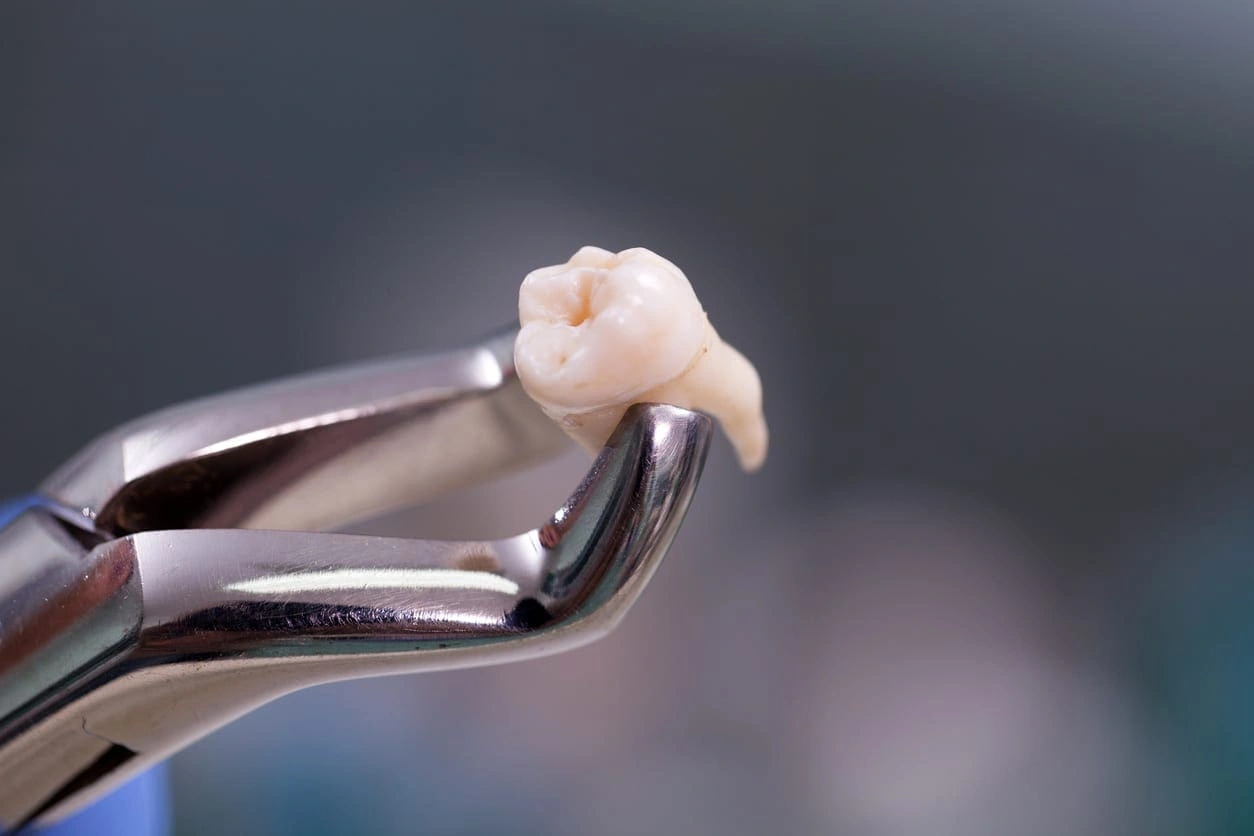
- Tooth Knockouts or Avulsions
- Severe Toothaches
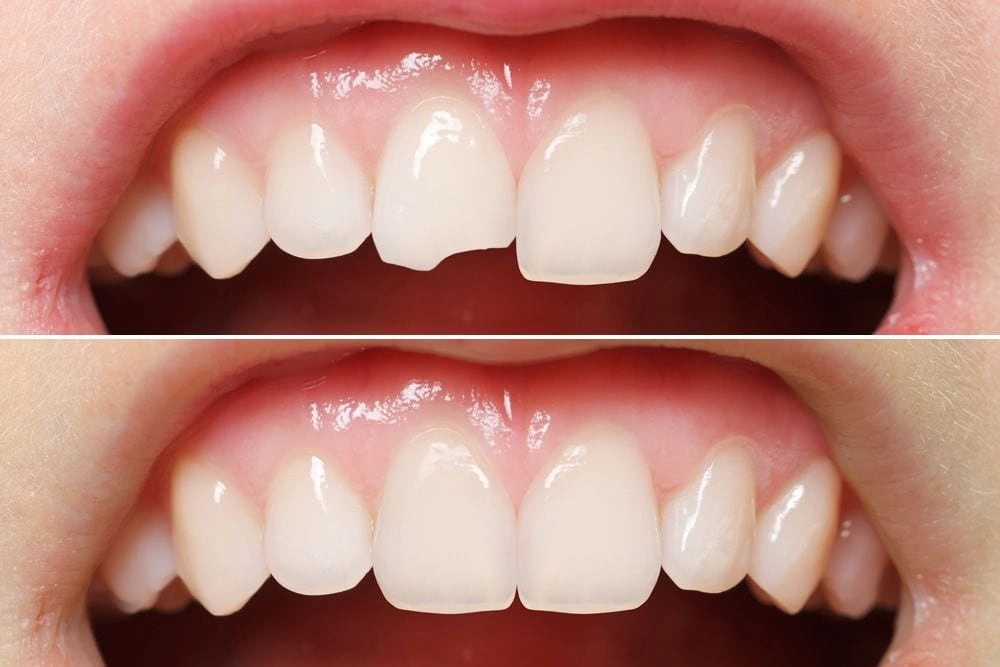
- Broken, Chipped, or Cracked Teeth
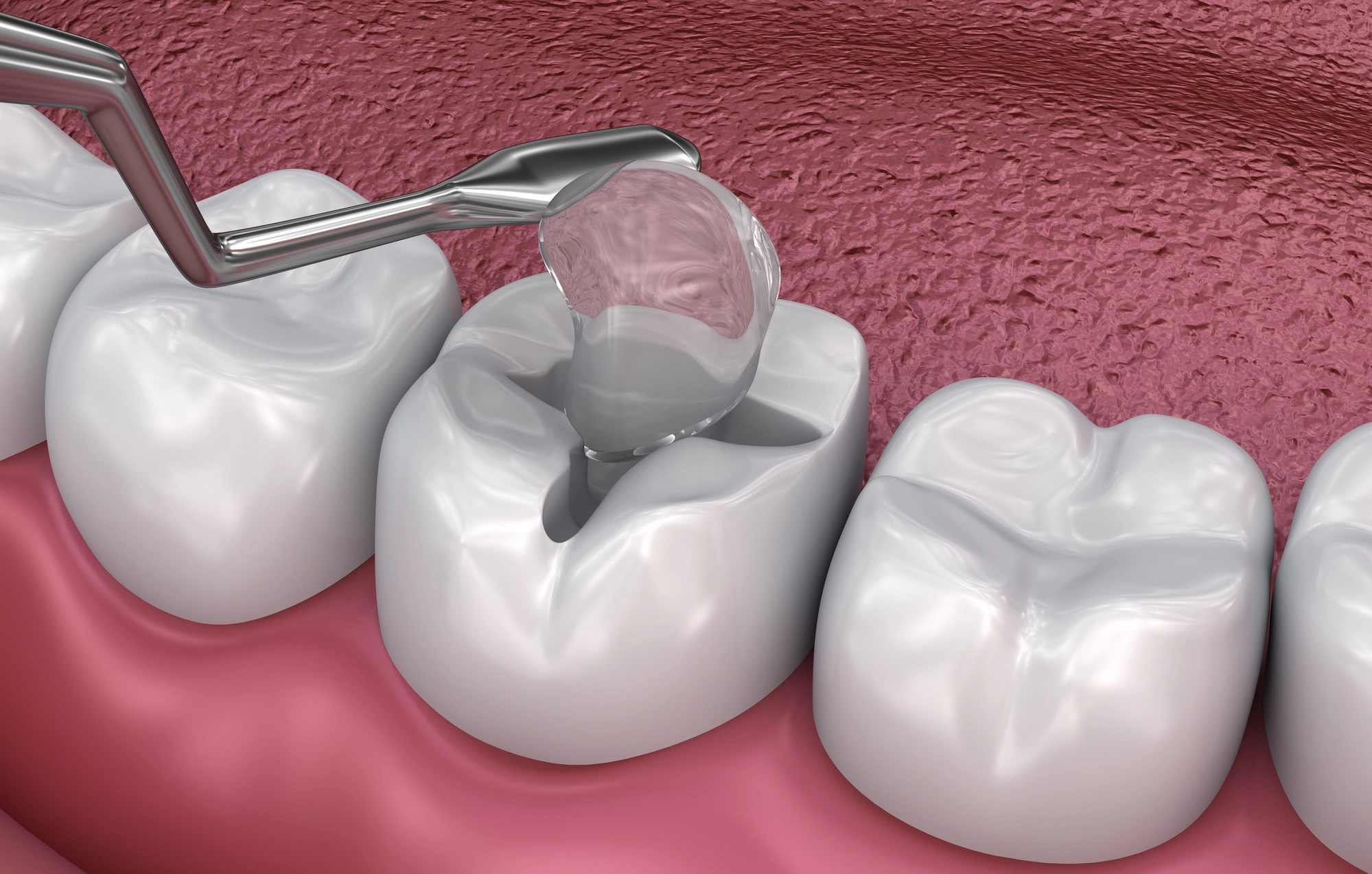
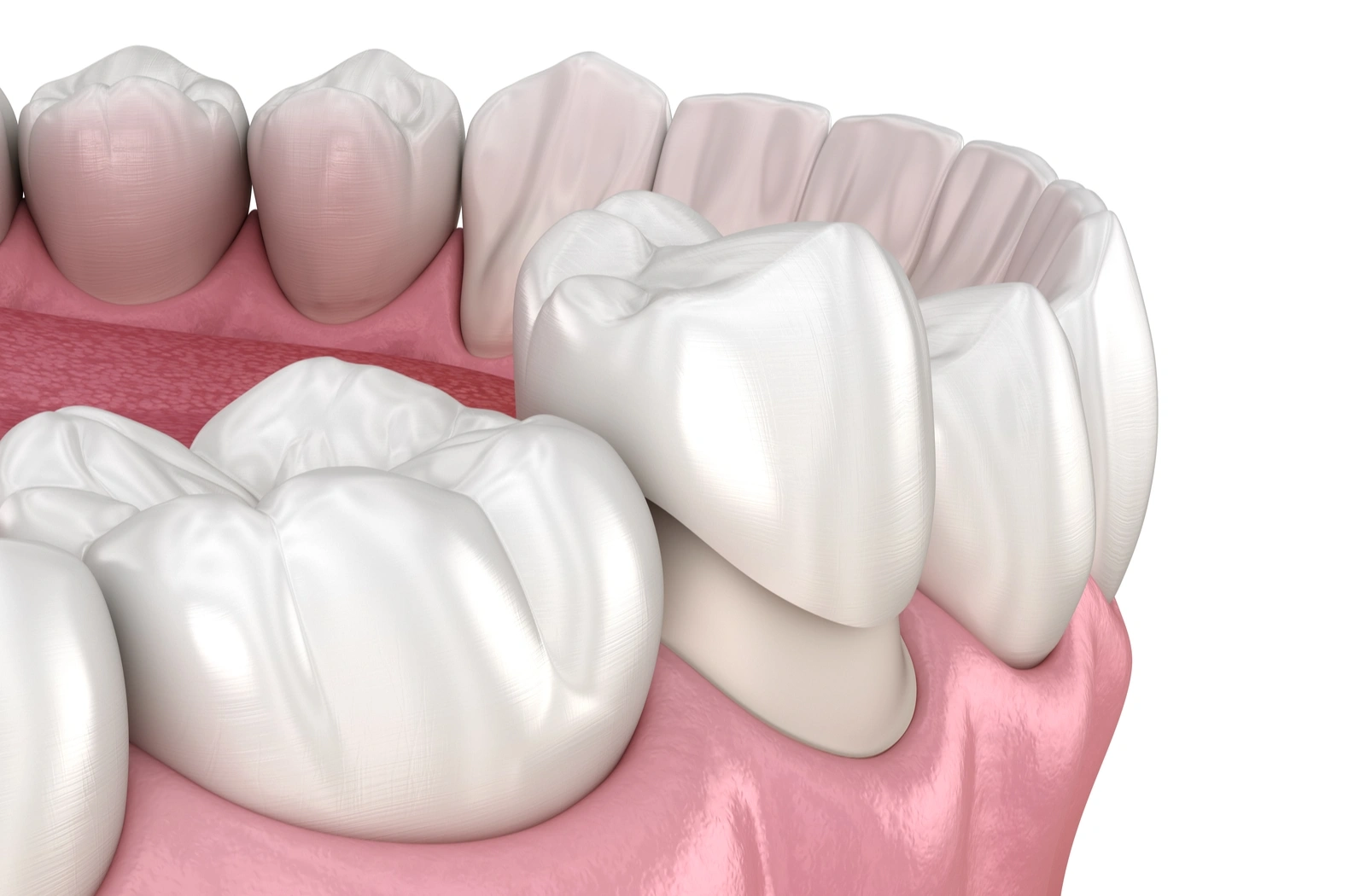
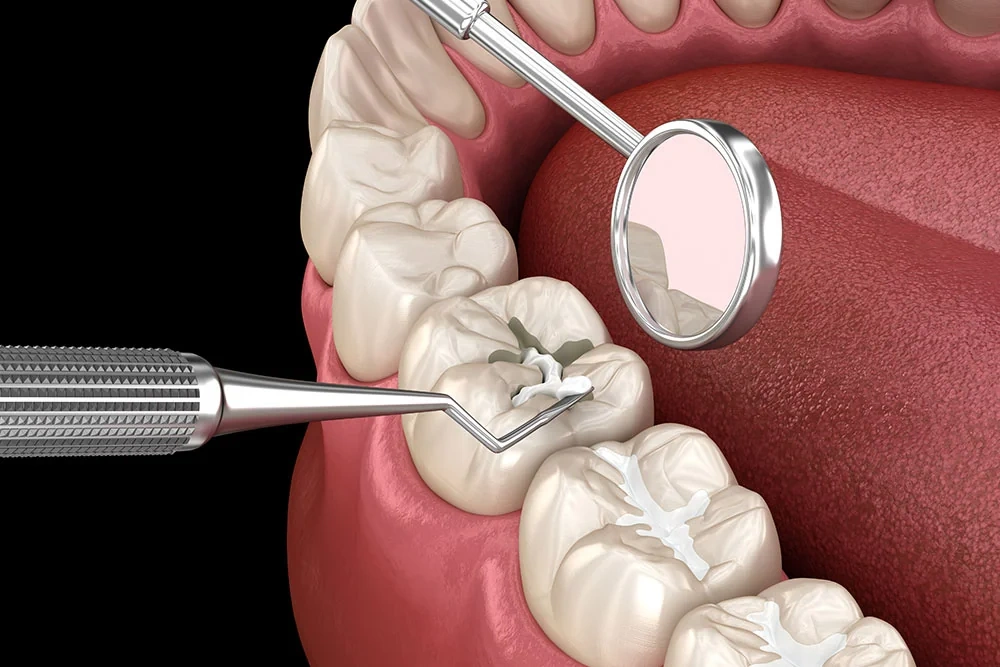
- Lost Dental Restorations (crowns, fillings)
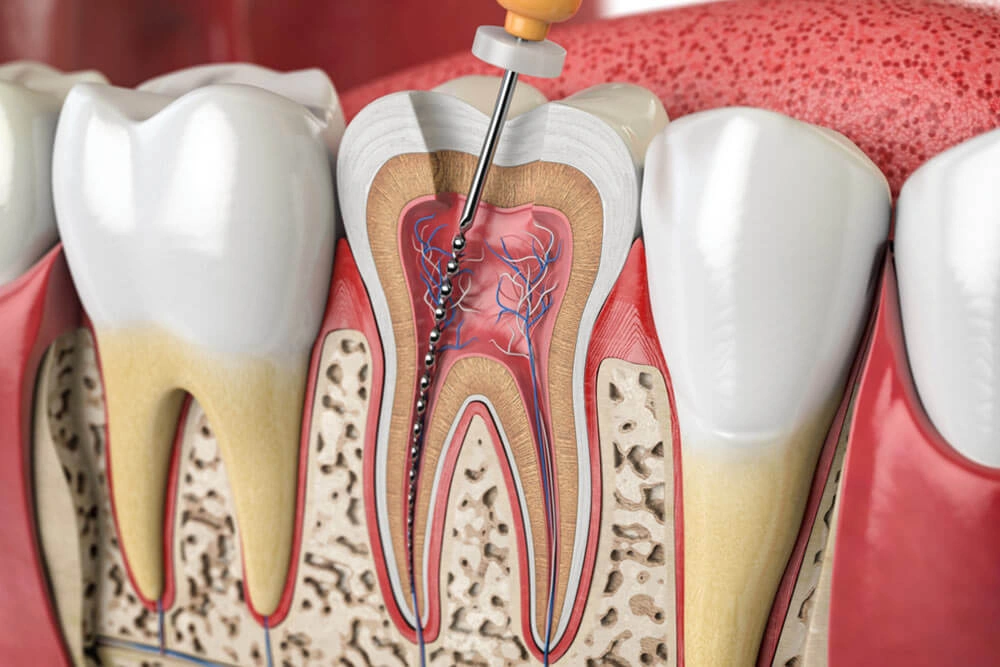
- Dental Abscess or Infection
- Trauma to the Soft Tissues (gums, tongue, cheeks)
How Do I Know If My Dental Issue Is an Emergency?
Understanding when to seek emergency dental care can be challenging. Here are some key indicators:
Sharp, persistent pain: Pain that doesn't subside even after over-the-counter medication is a warning sign.
Bleeding that won’t stop: If bleeding persists after 10-15 minutes of gentle pressure, emergency care is necessary.
Knocked-out tooth: If a permanent tooth has been completely dislodged, quick action can preserve it.
Swelling or infections: Rapid swelling of the gums, face, or mouth indicates an infection that needs urgent attention.
Broken or fractured teeth: Especially if it results in sharp edges or exposes the root.
Step one — stay calm. Many dental emergencies are manageable if you act quickly and correctly:
- Assess the situation. Determine the severity and whether it's a true emergency.
- Contact your emergency dentist. At South Surrey Dental, we prioritize urgent cases and offer prompt appointments.
- Manage pain and bleeding. Use a cold compress to reduce swelling and take over-the-counter pain relievers as directed.
- Preserve any knocked-out teeth. If a tooth is knocked out, try to locate it, rinse it gently, and keep it moist—ideally in saliva or milk.
- Avoid delaying treatment. Immediate action can save your tooth or prevent complications.
When Should I Visit an Emergency Dentist?
Timing is crucial. If you're experiencing any of the following conditions, do not delay in seeking dental care:
1. You’ve lost a tooth due to trauma.
2. There’s significant facial swelling or swelling around your mouth.
3. You’re suffering from uncontrolled bleeding.
4. You have severe pain that doesn't respond to analgesics.
5. An infection or abscess causes fever or pus discharge.
South Surrey Dental offers same-day dental services designed specifically for urgent needs, ensuring you get timely relief.
How Can I Prevent Dental Emergencies?
Prevention remains the best strategy. Here are some proactive steps to reduce the risk of dental emergencies:
- Wear mouthguards during sports and physical activities.
- Practice good oral hygiene—brush twice daily and floss regularly.
- Avoid chewing hard foods like ice or popcorn kernels that can crack teeth.
- Address dental issues promptly during routine check-ups to avoid escalation.
- Maintain regular visits with your local dental clinic, such as Panorama Ridge Dental Clinic.
What Are Some Emergency Situations That Necessitate Immediate Dental Care?
Typically, minor chips that don't cause pain or sharp edges aren’t considered emergencies. However, if the chip is large, causes pain, or exposes the nerve, immediate care is advisable to prevent infection and further damage.
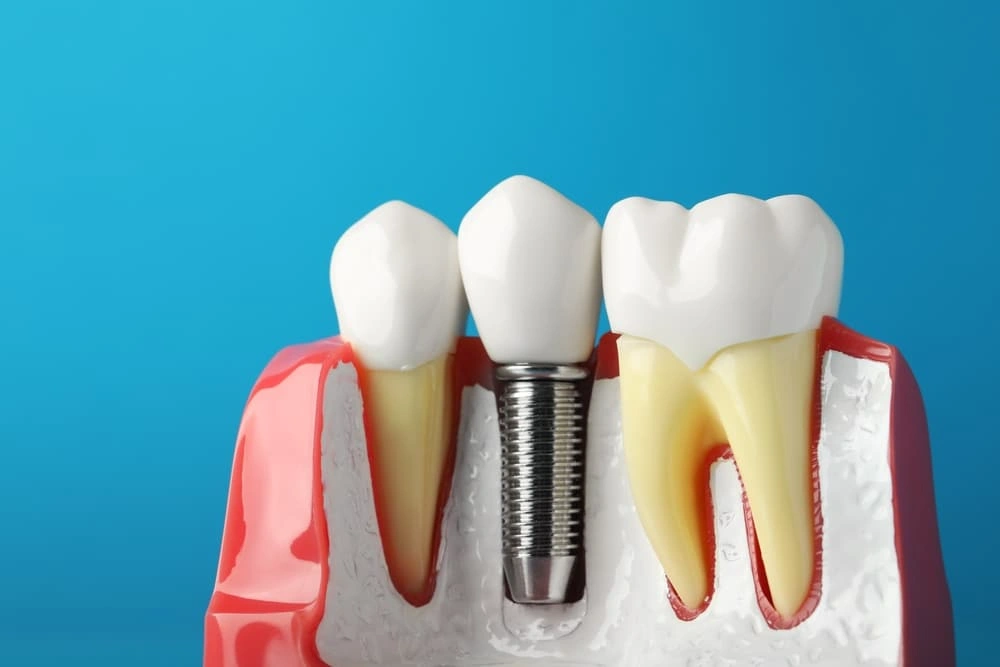
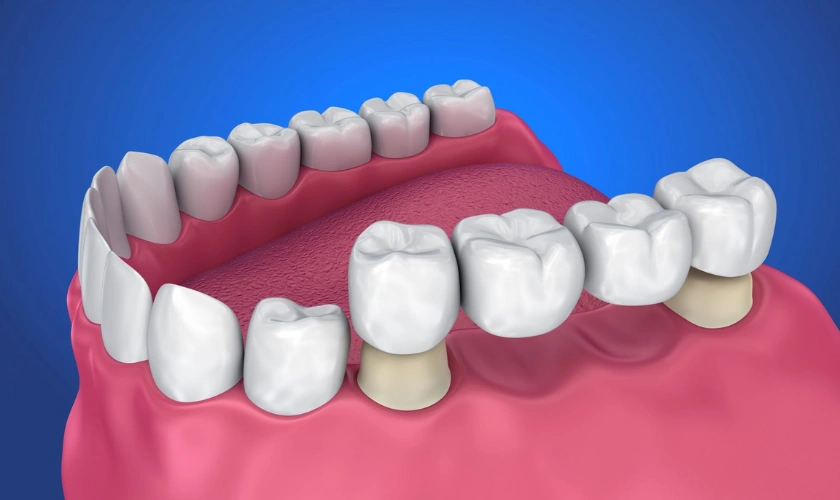
Yes. If your filling or crown falls out, it may not be an immediate threat, but it exposes the tooth to damage or decay. Seek prompt care to have it replaced, especially if you're experiencing pain or sensitivity. Learn more about dental implants as an option for replacing damaged teeth.
While not always an emergency, if bleeding persists or swelling becomes severe, seek immediate dental or medical attention. Use clean gauze to control bleeding and apply a cold compress to reduce swelling.
Why Choose South Surrey Dental for Dental Emergencies?
At South Surrey Dental, we prioritize your urgent dental needs. Our experienced team is ready to assess and treat your condition swiftly, helping you regain comfort and oral health. To find out more about our White Rock dental services and how we can assist you in an emergency, contact us today.
Frequently Asked Questions (FAQs)
Stay calm, locate the tooth, rinse it gently with water without scrubbing, and keep it moist in saliva or milk. Seek emergency dental care immediately. Contact an emergency dentist right away for best chances of saving the tooth.
Ideally, within an hour. Prompt treatment increases the likelihood of saving a knocked-out tooth and minimizes damage from trauma.
Yes, if left untreated, infections can spread, leading to severe health complications. Seek immediate care for signs like swelling, fever, pus, and persistent pain.
In Conclusion
Understanding what is considered a dental emergency can empower you to act swiftly and confidently when urgent issues arise. Remember, timely professional intervention not only relieves pain and prevents further damage but also helps preserve your natural smile. Whether it's a knocked-out tooth, a painful abscess, or a broken crown, knowing when and where to seek help makes all the difference.
For expert and compassionate emergency dental care in South Surrey and the surrounding areas, trust South Surrey Dental. Our team is dedicated to providing rapid, effective solutions so you can get back to your daily life as quickly as possible.