What is a Water Flosser and How to Use It Effectively?
What is a water flosser and how to use it?
In our quest for a radiant, healthy smile, dental hygiene tools have evolved beyond just brushes and traditional floss. Enter the water flosser—a dynamic device that’s transforming oral care routines around the world! But what exactly is a water flosser, and how can it elevate your dental health? Let’s dive into this joyful journey toward a brighter, healthier smile.
Why should you consider adding a water flosser to your dental routine?
Imagine a tool that not only makes flossing easier but also more effective in removing plaque and debris from those tricky areas between your teeth. That’s precisely what a water flosser offers! It uses a concentrated jet of pressurized water to dislodge food particles, reduce plaque buildup, and promote gum health—all while making the process feel like a relaxing spa experience.
What exactly is a water flosser?
A water flosser, also known as an oral irrigator, is a handheld device that delivers a steady stream of pulsating water through a targeted nozzle. Unlike traditional floss, which relies on string to physically scrape between teeth, a water flosser uses water pressure and pulsations to clean beneath the gumline and between teeth efficiently.
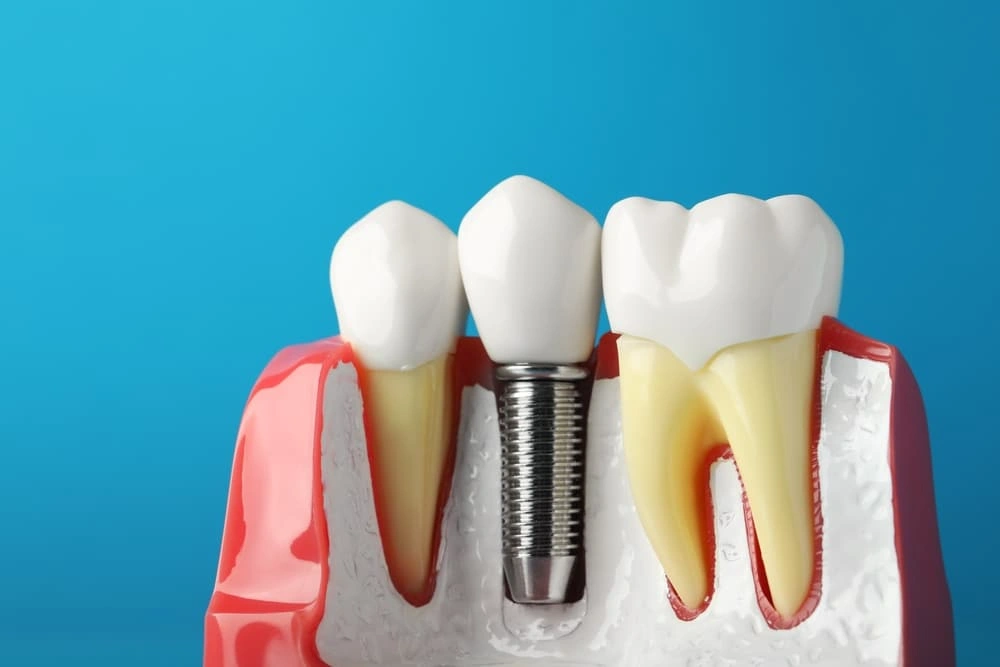
These devices are especially beneficial for those with dental implants, braces, crowns, or sensitive gums, providing gentle yet thorough cleaning. Plus, they can help reduce bleeding and inflammation caused by gum disease, making your smile whisper joy and health.
How does a water flosser work?
Using a water flosser is surprisingly simple! Fill the water tank with lukewarm water, select your preferred pressure setting, and aim the nozzle at a 90-degree angle to your gumline. Glide it along your teeth and gums, pausing briefly at each tooth to ensure thorough cleaning. The pulsating water breaks up plaque and flushes out debris, leaving your mouth feeling fresh and healthy.
What are the key benefits of using a water flosser regularly?
- Gentle on gums: Ideal for sensitive or bleeding gums, reducing discomfort.
- Effective for braces and dental appliances: Reaches areas that traditional floss can't easily access.
- Reduces plaque buildup: Promotes healthier gums and less risk of cavities.
- Enhances overall oral hygiene: Complements brushing and traditional flossing for comprehensive care.
- Time-efficient and less frustrating: Easier to use for children or those with dexterity issues.
Who can benefit most from using a water flosser?
The beauty of water flossers is their versatility! Whether you have braces, implants, crowns, or sensitive gums, a water flosser can cater to your unique needs. If you’re prone to periodontal issues, this device can help control and prevent gum disease. For busy individuals seeking quick yet effective oral care, a water flosser is truly a game-changer.
How to properly use a water flosser for optimal results?
Follow these simple steps to master the art of water flossing:
- Fill the water reservoir with lukewarm water. You can add a bit of mouthwash for extra freshness if desired.
- Adjust the pressure setting gradually—start low and increase as comfortable.
- Lean over the sink to prevent water splashes, and place the tip perpendicularly to your gumline at about 90 degrees.
- Start at the back of your mouth, and move the tip along the gumline, pausing briefly at each tooth to allow the water to flush debris.
- Focus on both the front and back of each tooth, including areas around dental work.
- Finish by rinsing your mouth and cleaning the device as directed in the user manual.
Are there any tips to maximize the benefits of water flossing?
Absolutely! Consistency is key. Use your water flosser at least once daily—for optimal results, preferably after brushing. Use the highest pressure settings only if comfortable, and always pay attention to gum health; if you notice heightened sensitivity or bleeding, lower the pressure and consult your dentist.
Keeping up with regular dental visits ensures your overall oral health stays on track. Need a trusted professional to guide your smile journey? Schedule an appointment with us at South Surrey Dental.
How does water flossing compare to electric or traditional flossing?
Traditional flossing involves unraveling string to scrape between teeth, which can sometimes be challenging and unpleasant. Electric flossers use vibration but may still be uncomfortable for some. Water flossers, on the other hand, provide a soothing water jet that can reach deeper and cleaner without discomfort, making it especially suitable for children and those with sensitive teeth. This approach encourages a more consistent and enjoyable oral hygiene routine.
What should you look for when choosing a water flosser?
When selecting a device, consider:
- Adjustable pressure settings for personalized comfort
- A variety of nozzles for different needs (standard, orthodontic, plaque seeker)
- Ease of filling and cleaning
- Portability versus countertop models based on your lifestyle
- Battery life or corded convenience
Can a water flosser replace traditional flossing entirely?
While water flossers are highly effective, most dental professionals recommend incorporating both methods into your routine for maximum benefit. Water flossers are a fantastic supplement, especially for hard-to-reach areas and for those with special dental needs.
Are there any precautions or contraindications for water flossing?
While generally safe, consult your dentist if you experience persistent gum bleeding or pain. People with certain dental conditions should seek professional advice before making water flossing a core part of their care. For personalized recommendations, schedule a consultation with us at South Surrey Dental.
Frequently Asked Questions (FAQs)
Many prefer to use it after brushing at night to remove residual debris, but morning use can also freshen your breath and start the day with a clean mouth.
Yes, with supervision and appropriate settings, water flossers can be a safe and effective tool for children learning good oral hygiene habits.
While it helps reduce plaque and food debris, it should complement brushing and traditional flossing for comprehensive cavity prevention.
Conclusion: Embark on Your Joyful Journey Toward a Healthier Smile!
Knowing what is a water flosser and how to use it opens the door to a more joyful, stress-free approach to oral health care. By integrating this innovative device into your daily routine, you’re investing in a brighter smile, healthier gums, and a boost of confidence that shines from within. Remember, the journey to optimal dental health is a marathon, not a sprint — so start today and enjoy every step of your glowing smile adventure!