
What Are the Signs of a Dental Emergency? Key Insights Here
What Are the Signs of a Dental Emergency? Essential Insights for Your Peace of Mind
Dental issues can sometimes escalate quickly, transforming a minor discomfort into a serious problem that requires immediate attention. Recognizing the signs of a dental emergency is vital not only for alleviating pain but also for safeguarding your long-term oral health. At South Surrey Dental, we understand the importance of timely intervention, and this comprehensive guide aims to equip you with the knowledge to identify when urgent dental care is necessary. Let’s explore the key indicators that signal a dental emergency and discuss the best actions to take.
Why Is It Important to Recognize a Dental Emergency Promptly?
Seconds and minutes matter when dealing with dental emergencies. Immediate response can prevent permanent damage, reduce discomfort, and might even save a tooth. Delaying treatment might lead to complications such as infection, misalignment, or the need for complex restorative procedures. By understanding what are the signs of a dental emergency, you can seek appropriate care swiftly and effectively, ensuring your oral health remains in optimal condition.
What Are the Most Common Signs of a Dental Emergency?
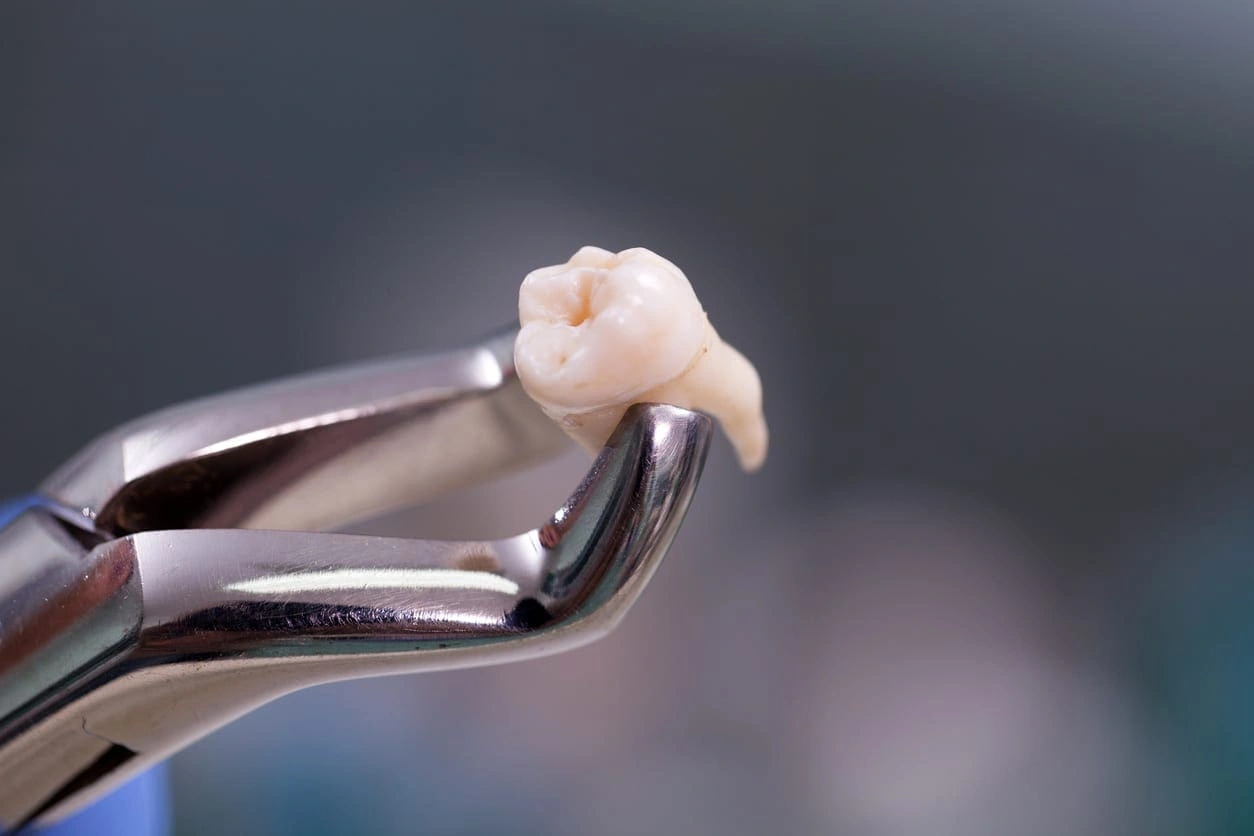
A knocked-out or avulsed tooth is a classic emergency. If you experience a sudden impact during sports, a fall, or accident, and notice a tooth completely displaced from its socket, immediate action is critical. Rinse the tooth gently with clean water, avoid scrubbing, and keep it moist by placing it in a container with milk or saliva until you reach professional dental care.
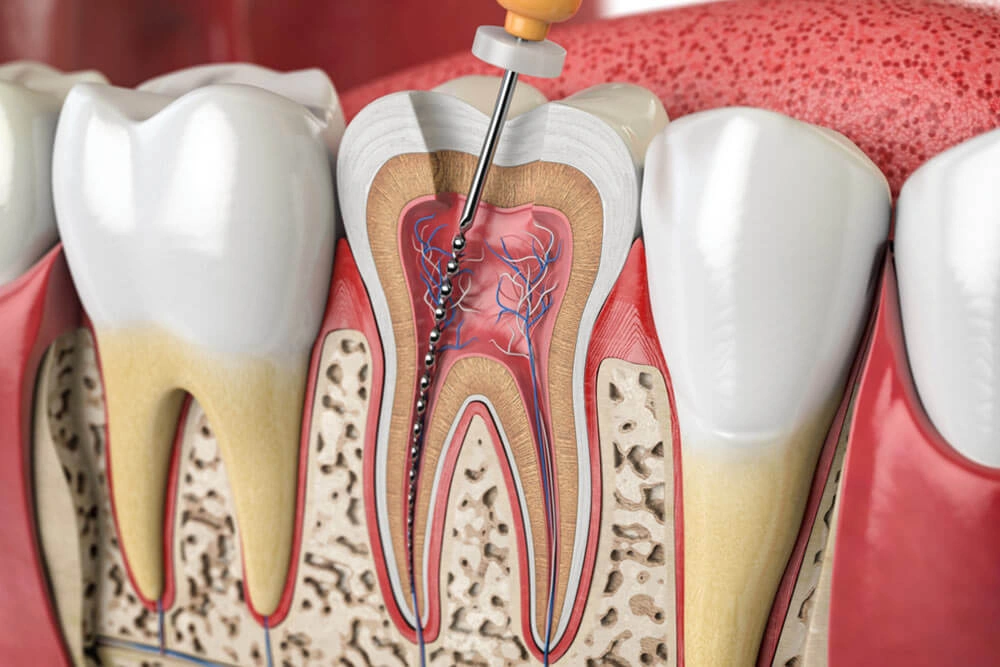
Intense toothache that persists or worsens often signals underlying issues such as infections, tooth decay, or abscesses. This type of pain can be debilitating and should never be ignored. Prompt attention can prevent the spread of infection and save the tooth from further damage.
Minor bleeding during brushing is common, but persistent or heavy bleeding warrants immediate evaluation. Bleeding gums could be a sign of gum disease, which, if left untreated, could lead to tooth loss and systemic health issues. If you're curious about whether you should seek help for gum-related concerns, visit our detailed article on gum disease specialists.
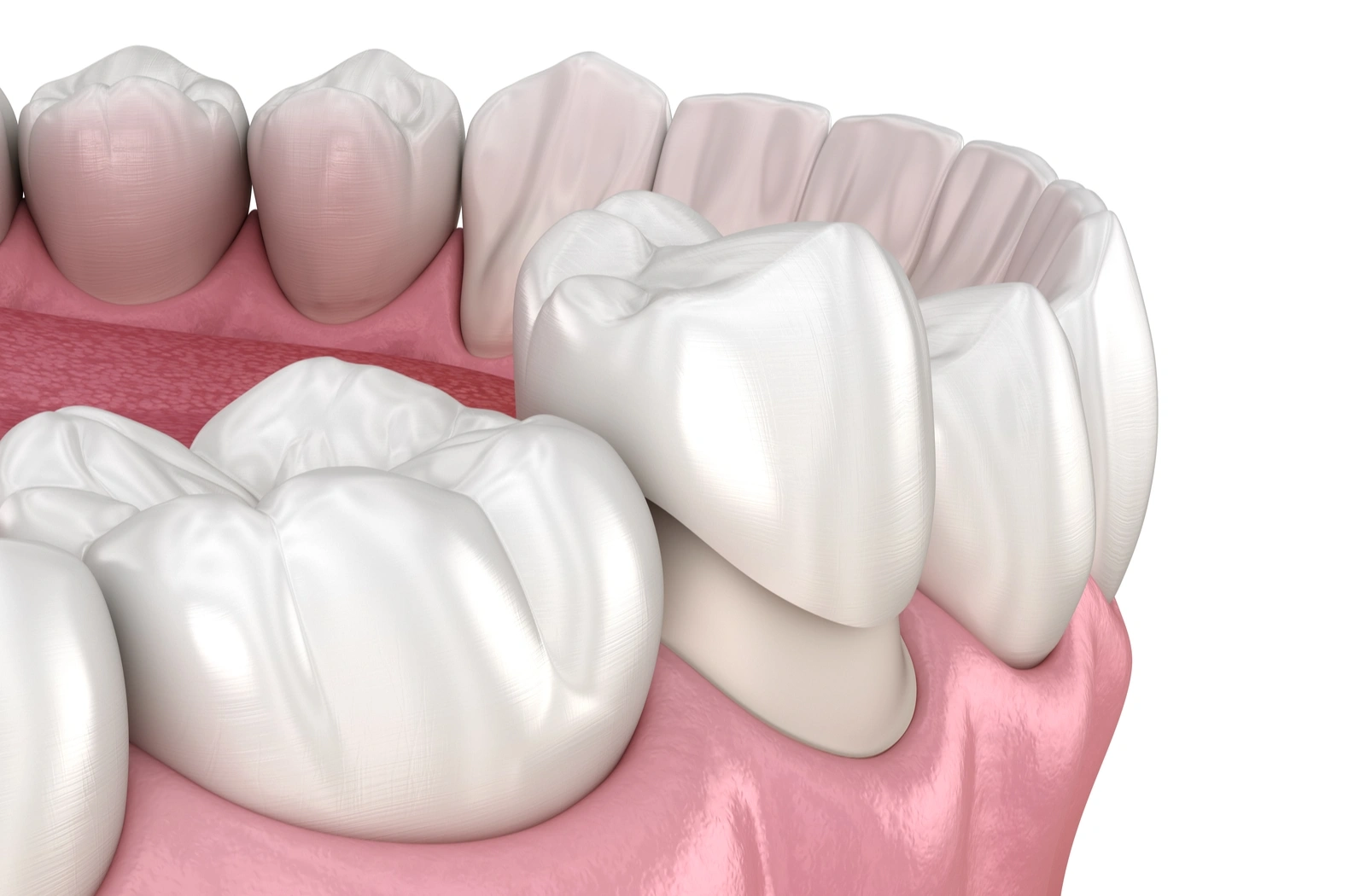
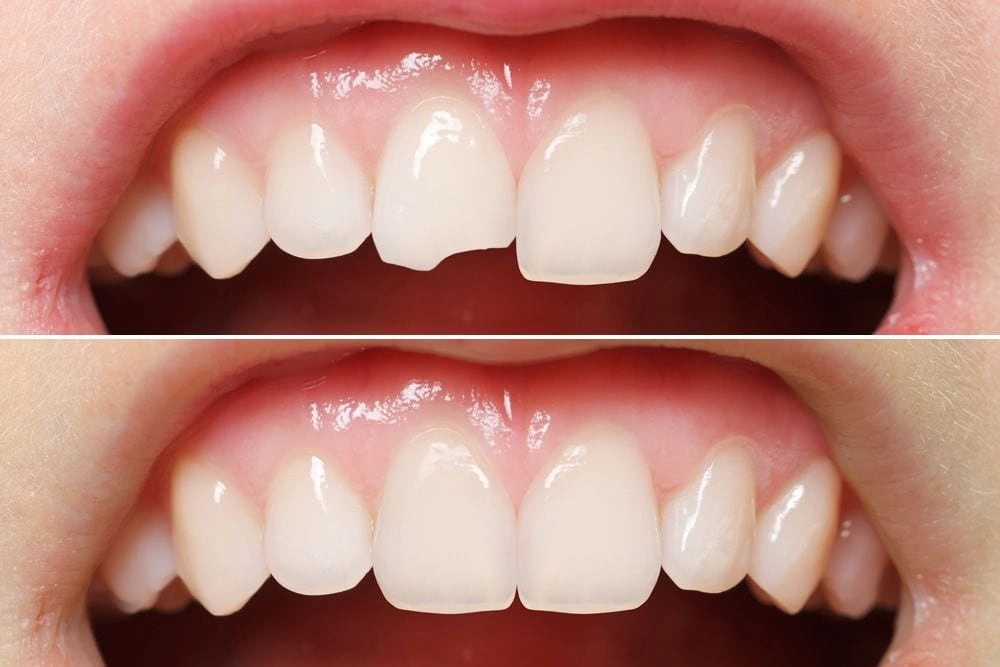
Facial trauma or biting down on something hard can result in a cracked or fractured tooth. Even if the damage seems minor, a broken tooth can expose sensitive nerves or lead to infection. A prompt dental visit ensures that the damage is properly evaluated and treated.
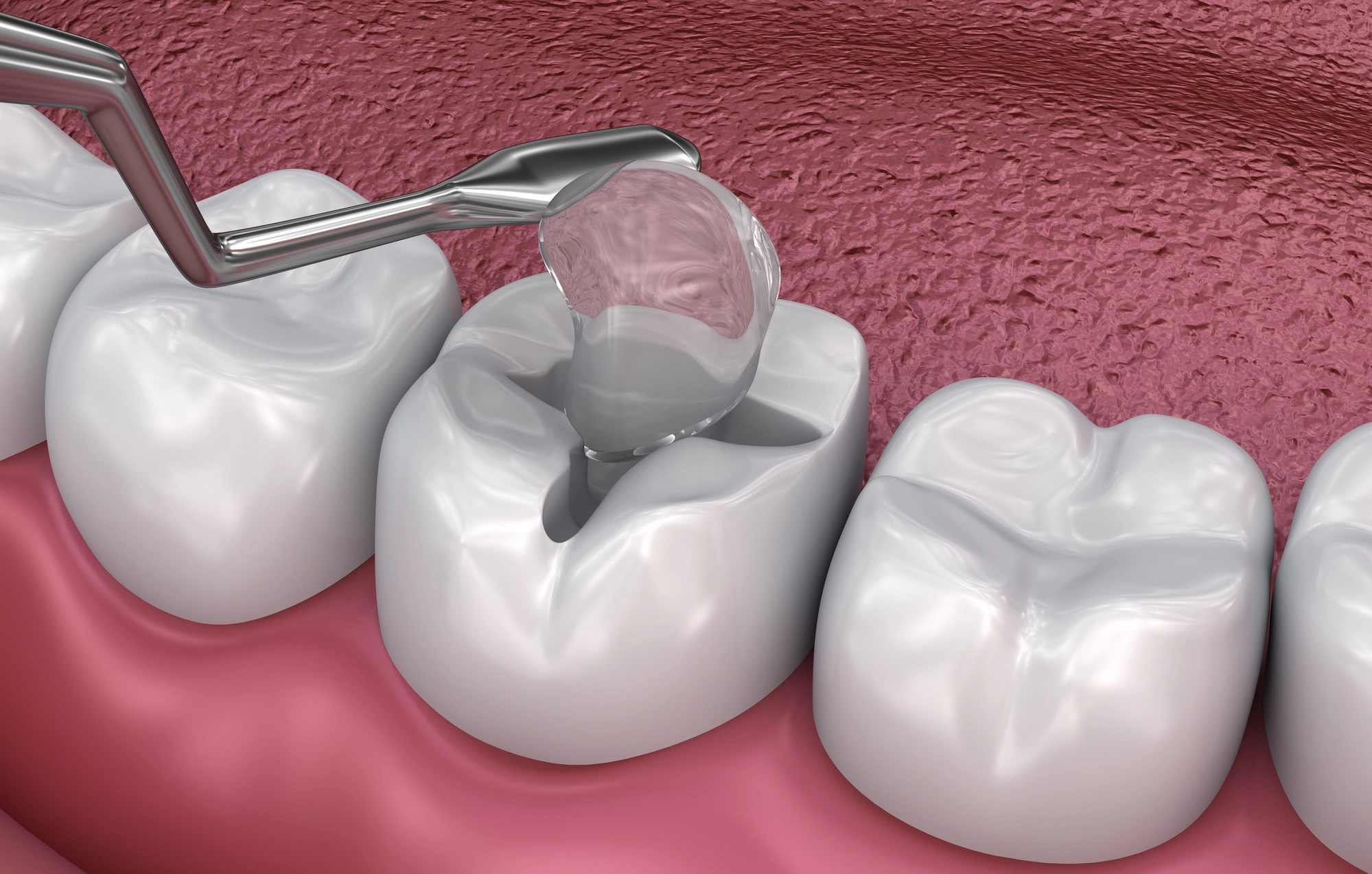
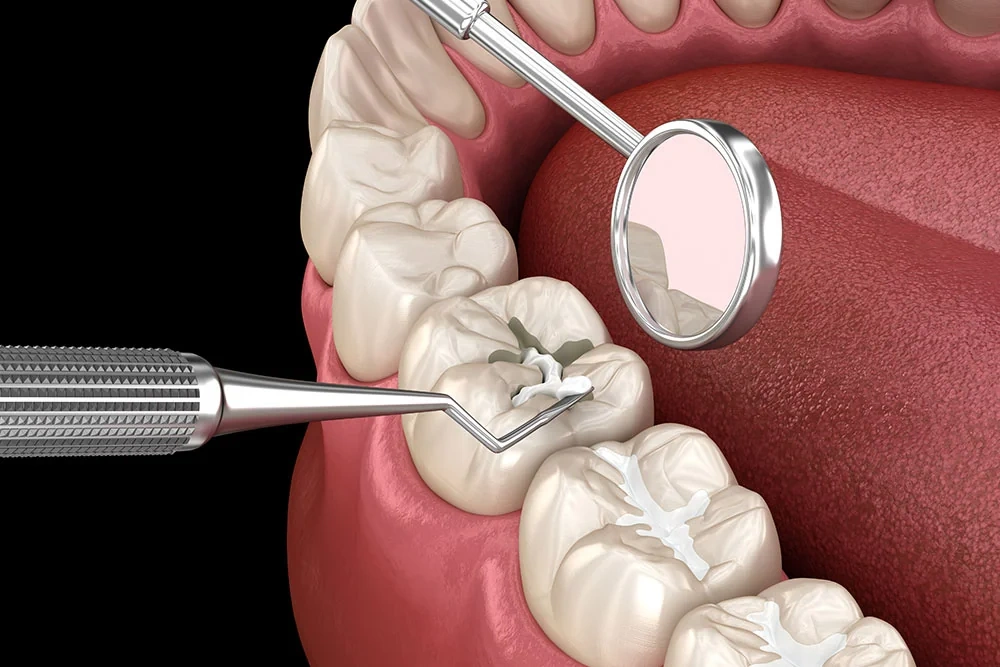
Lost dental restorations turn vulnerable areas of your tooth exposed to bacteria, which increases the risk of decay and sensitivity. Immediate replacement or repair can prevent further deterioration and restore comfort. Learn more about restoring damaged teeth in our teeth whitening and restoration services.
WhatOther Symptoms Indicate a Potential Dental Emergency?
- Swelling in the face or jaw: Swelling, especially if sudden or worsening, signals infection or abscess that needs urgent care.
- Difficulty swallowing or breathing: These are serious symptoms, possibly indicating an allergic reaction, infection, or trauma—call emergency services immediately.
- Foul taste or odor in the mouth: Often associated with infections or abscesses needing urgent treatment.
- Loose or displaced teeth following trauma: This can threaten the stability of your bite and require immediate reattachment or stabilization.
How Should You Respond to a Dental Emergency?
If you experience a dental emergency, follow these initial steps:
- Stay calm and assess the situation.
- If a tooth is knocked out, handle it by the crown, avoid touching the root, rinse gently, and keep it moist.
- Apply a cold compress to reduce swelling and manage pain.
- Take over-the-counter pain relievers if necessary, following dosage instructions.
- Contact your dentist immediately for urgent care.
Seek emergency dental care if you are experiencing persistent pain, bleeding that won't stop, swelling, or visible trauma. Many dental clinics like South Surrey Dental offer same-day appointments to address urgent needs and provide relief swiftly.
How Can Preventing Dental Emergencies Be Achieved?
While accidents can happen unexpectedly, maintaining good oral hygiene and protective measures can significantly reduce your risk. Practice regular brushing and flossing, schedule routine dental checkups, and consider mouthguards during sports activities. Prompt treatments for dental issues such as cavities or gum disease can also prevent emergencies down the line. For concerns about gum health, refer to our post on know when to see a specialist for gum disease.
Frequently Asked Questions About Dental Emergencies
Any symptoms involving severe pain, bleeding, facial swelling, trauma, or the sudden loss of a tooth are considered dental emergencies. Immediate action is crucial to prevent further complications.
While regular dentists provide ongoing care, emergencies often require urgent treatment at a specialized or emergency dental clinic to ensure swift relief and prevent damage.
If the fracture exposes the pulp, causes persistent pain, or if you notice swelling or sensitivity, it is a sign that immediate professional assessment is necessary.
Keep calm, gently clean the area, and contact your child’s pediatric or family dentist right away. Prompt care can protect their developing teeth and prevent lasting issues.
Trust South Surrey Dental for Your Emergency Needs
Understanding what are the signs of a dental emergency equips you with the knowledge to act swiftly and appropriately. At South Surrey Dental, our team is dedicated to providing urgent care to protect your oral health and alleviate discomfort. Whether it’s a knocked-out tooth, severe pain, or swelling, we encourage you to contact us immediately for professional assistance. Remember, prompt action can make all the difference—your smile deserves nothing less.
For more information on comprehensive dental services, visit our teeth whitening and restoration services or learn how advanced diagnostic tools like intraoral cameras improve diagnostics by visiting how intraoral cameras enhance diagnostics.