How to Tell When Your Dental Crowns Need Replacing
Dental crowns are built to last, but they don’t last forever. If you have one or more crowns, you might be wondering how to know when it’s time to get them replaced. Catching the signs early can prevent discomfort and more complicated dental issues. Here’s what to look for, and what you can expect if you need a new crown.
Why is my dental crown feeling loose?
One of the most common signs that a crown needs attention is a loose or wobbly feeling. Crowns are carefully cemented in place, so any movement means something isn’t right. This could be due to the cement breaking down over time, wear from chewing, or even changes in the tooth underneath. If your crown feels loose, it’s important to see your dentist soon. Leaving it too long can allow bacteria to get underneath, which may lead to decay or infection.
Is it normal to have pain or sensitivity around my crown?
While a new crown might be sensitive for a short period, ongoing pain or sensitivity is not normal. If you notice sharp pain when biting down, or if hot and cold foods make the crowned tooth ache, this could mean the crown isn’t fitting properly or there’s decay underneath. In some cases, the nerve of the tooth may be inflamed or infected. These issues are best caught early—your dentist can check if the crown can be adjusted or if it needs replacement.
What should I do if my crown is chipped or cracked?
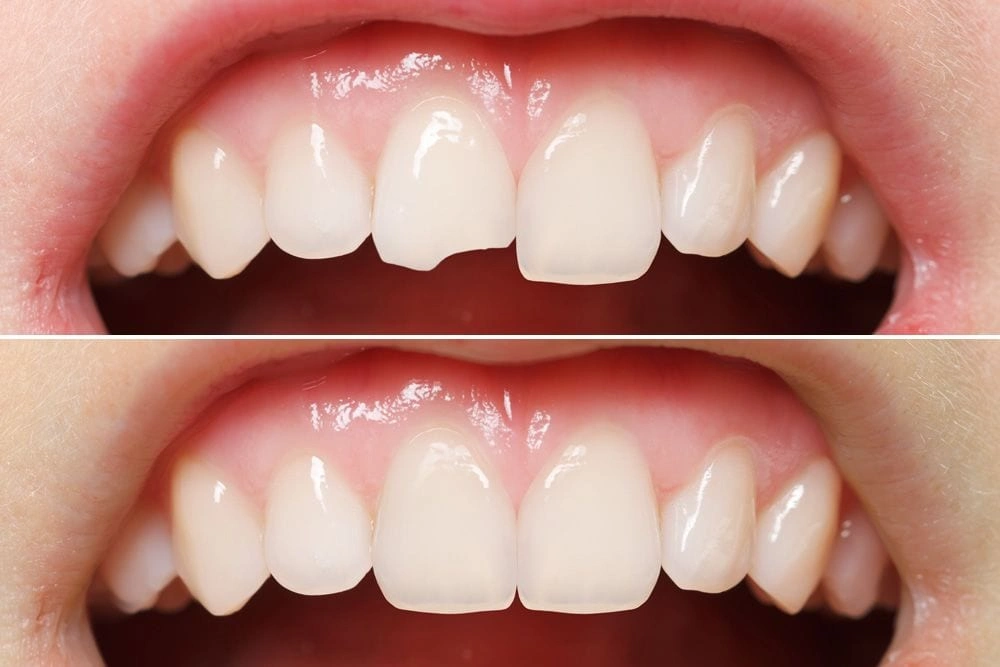
Crowns are strong, but they can still chip or crack, especially if you grind your teeth or bite down on something hard. Even a small chip can let bacteria in, or cause discomfort when chewing. If you notice any visible damage or rough edges, book an appointment with your dentist. Sometimes minor chips can be repaired, but larger cracks often mean the crown should be replaced to protect your tooth.
Why does my gum look red or swollen near my crown?
Healthy gums should sit snugly around the base of your crown. If you see redness, swelling, or bleeding in the area, this could be a sign of gum irritation or infection. Sometimes, an aging crown can trap food or plaque, making gums inflamed. In other cases, it may be a sign the crown no longer fits well, allowing bacteria to reach the underlying tooth. Good oral hygiene helps, but if the problem continues, have your dentist take a look.
Can my crown look dull or discoloured over time?
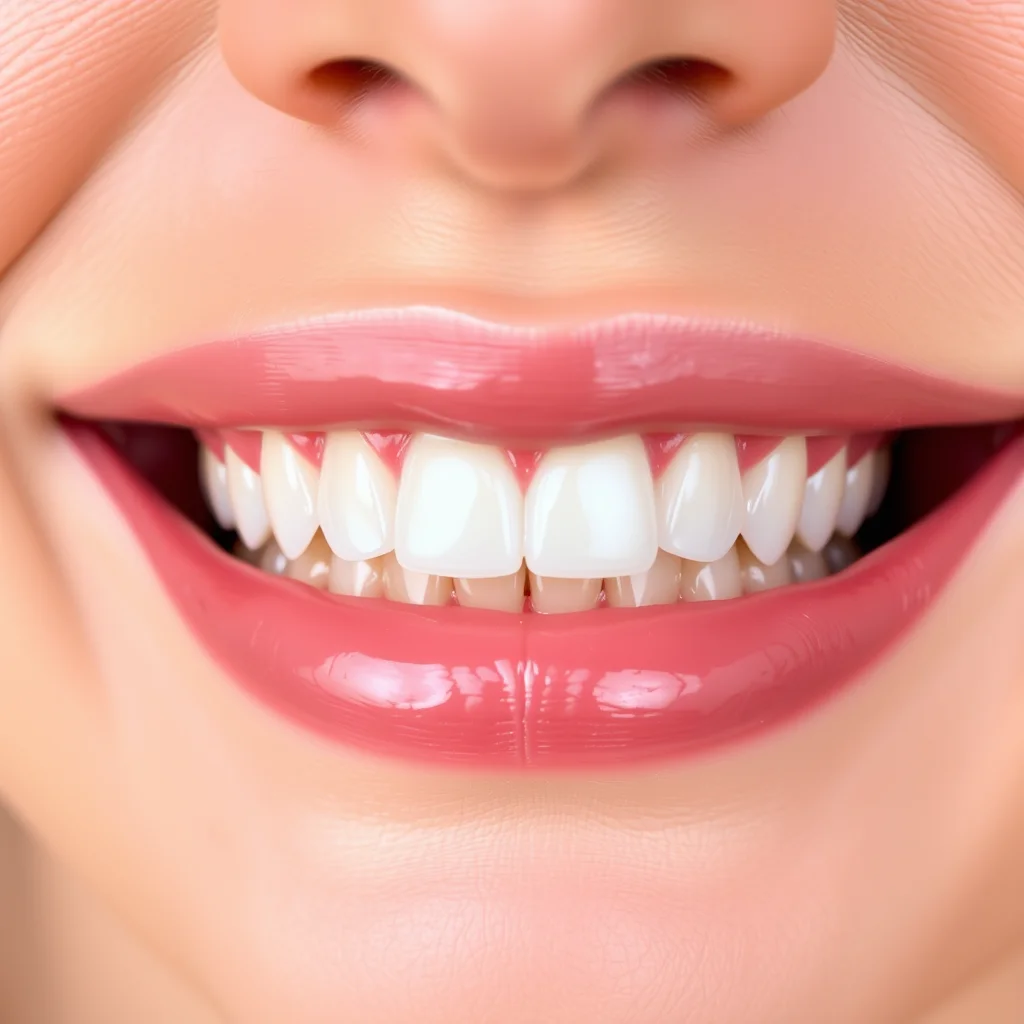
Most dental crowns are made to match the colour of your natural teeth, but over time, they can become stained or look dull compared to your other teeth. This can happen especially with older porcelain or resin crowns. While stains don’t always mean the crown needs to be replaced, they can make your smile less uniform. If you’re worried about the appearance of your crown, your dentist can discuss options for refreshing your smile.
How long do dental crowns usually last?
On average, dental crowns last between 10 and 15 years, but this can vary depending on the material used and how well you care for them. Chewing hard foods, grinding your teeth, or neglecting oral hygiene can shorten a crown’s lifespan. If it’s been many years since your crown was placed, or you’re noticing changes in how it feels or looks, it may be time for a checkup. Your dentist in South Surrey can examine your crown and let you know if it’s still doing its job.
Frequently Asked Questions
Can I wait if my crown feels a bit loose?
It’s best not to wait if your crown feels loose. Even if it’s only a slight movement, bacteria can get underneath and cause decay or infection. Book a visit with your dentist as soon as possible to have it checked.
What happens if my crown falls off?
If your crown comes off, try to keep it safe and avoid chewing on that side of your mouth. Call your dentist right away. Sometimes a crown can be re-cemented, but often it will need to be replaced to ensure a secure fit.
Is it painful to replace a dental crown?
Replacing a crown is usually straightforward and not painful. You may feel some pressure or mild discomfort during the procedure, but your dentist will use local anesthesia to keep you comfortable.
How can I make my crowns last longer?
Good oral hygiene is key—brush and floss every day, avoid chewing hard objects, and see your dentist regularly for checkups and cleanings. Using a night guard if you grind your teeth can also help protect your crowns.
If you notice any of these signs with your dental crowns, don’t wait. Getting them checked early can save you time, discomfort, and expense. If you’re in South Surrey and have concerns about your crowns, reach out to your local dentist for advice and care.