How to Protect Your Teeth in Winter: Practical Tips for Homeowners
Winter brings crisp air, hot drinks, and a change in routine for many families in South Surrey. But while you’re bundling up and staying warm, don’t forget your teeth—colder months can create unique challenges for dental health. Here’s what you should know about keeping your teeth in top shape during winter, and what you can do at home to avoid common seasonal issues.
Why Do My Teeth Feel Sensitive When It Gets Cold?
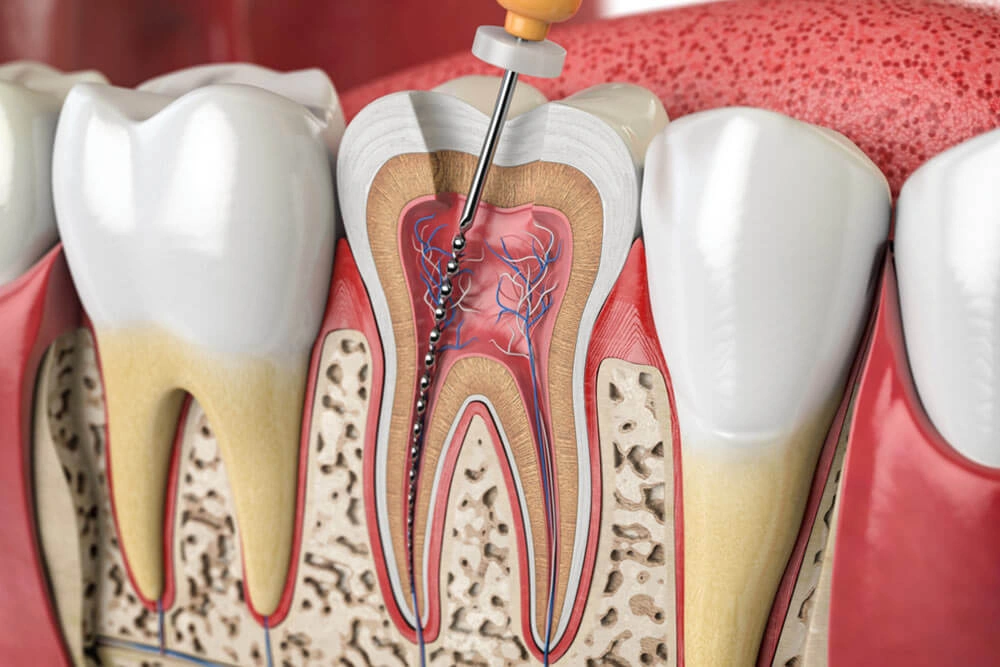
If you notice your teeth ache or feel sensitive when you step outside, you’re not imagining it. The cold weather can make existing sensitivity more noticeable. This happens because the nerves inside your teeth react to changes in temperature, especially if your enamel is worn or your gums have receded. Even breathing in through your mouth on a chilly day can cause discomfort.
- Use a soft-bristled toothbrush and gentle brushing technique to avoid wearing away enamel.
- Try toothpaste made for sensitive teeth, which can help block pain signals to nerves.
- Wear a scarf over your mouth when outside to warm the air you breathe in.
How Can I Prevent Dry Mouth in the Winter?
Heated indoor air dries out more than just your skin—it can also dry your mouth. Saliva is crucial for protecting your teeth from decay and bacteria. A dry mouth can make you more vulnerable to cavities and discomfort.
- Drink plenty of water throughout the day. Keep a water bottle handy, especially in heated environments.
- Consider using a humidifier at home to add moisture back into the air.
- Avoid too much caffeine or alcohol, as both can dry your mouth further.
- Chew sugar-free gum to stimulate saliva production if your mouth feels dry.
Are Hot Drinks Bad for My Teeth?
Many people reach for coffee, tea, or hot chocolate when the temperature drops. These are comforting, but they can have some downsides for your teeth. Hot drinks can stain enamel over time, and when loaded with sugar, they can contribute to decay.
- Limit sugary additions like marshmallows or flavored syrups.
- Drink hot beverages through a straw to minimize contact with your teeth.
- Rinse your mouth with water after finishing your drink to help wash away sugars and acids.
- Try to stick to plain tea or coffee, or use milk instead of creamers high in sugar.
Should I Change My Brushing Routine in Winter?
Your brushing and flossing routine should remain steady all year, but winter is a good time to double-check your technique and tools. With holiday treats and changes to your eating habits, your teeth can use the extra attention.
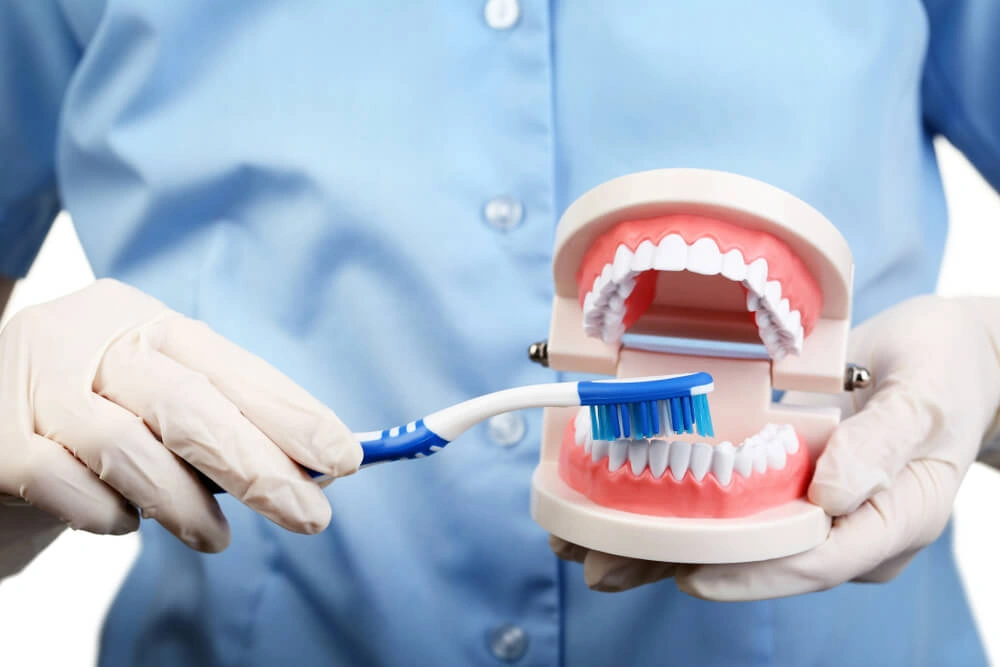
- Brush twice a day for two minutes with fluoride toothpaste.
- Floss once a day to remove plaque between teeth where your brush can’t reach.
- Replace your toothbrush or toothbrush head every three months, or sooner if bristles are frayed.
- If you’re traveling, remember to pack your dental care essentials and keep them clean and dry.
What Should I Do If I Have a Dental Emergency in Winter?
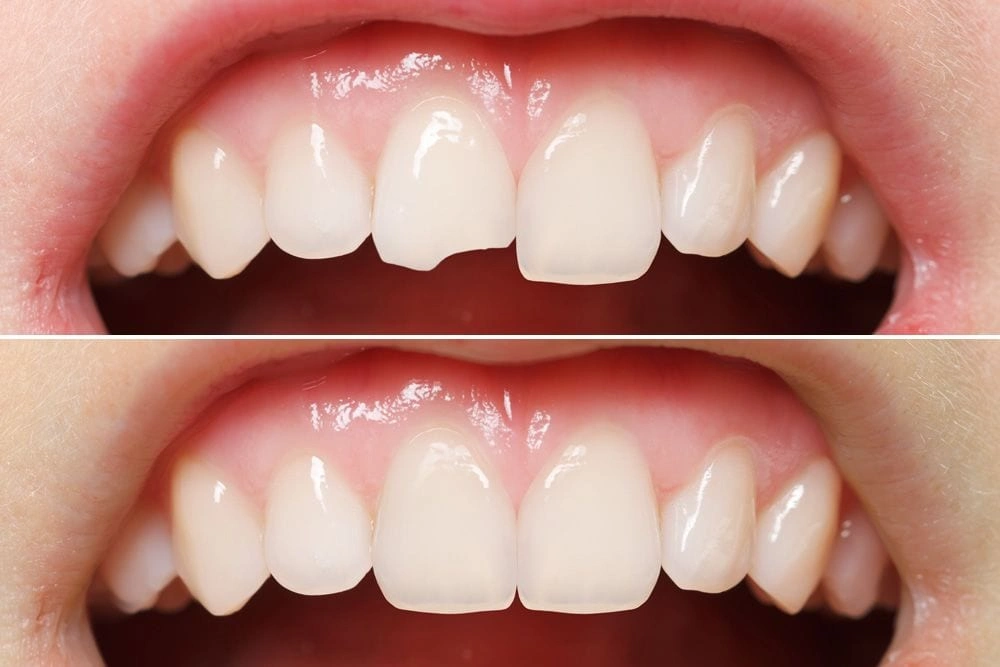
Accidents can happen any time of year, and winter can bring its own set of risks—like slipping on ice and chipping a tooth. Quick action is key to minimizing damage.
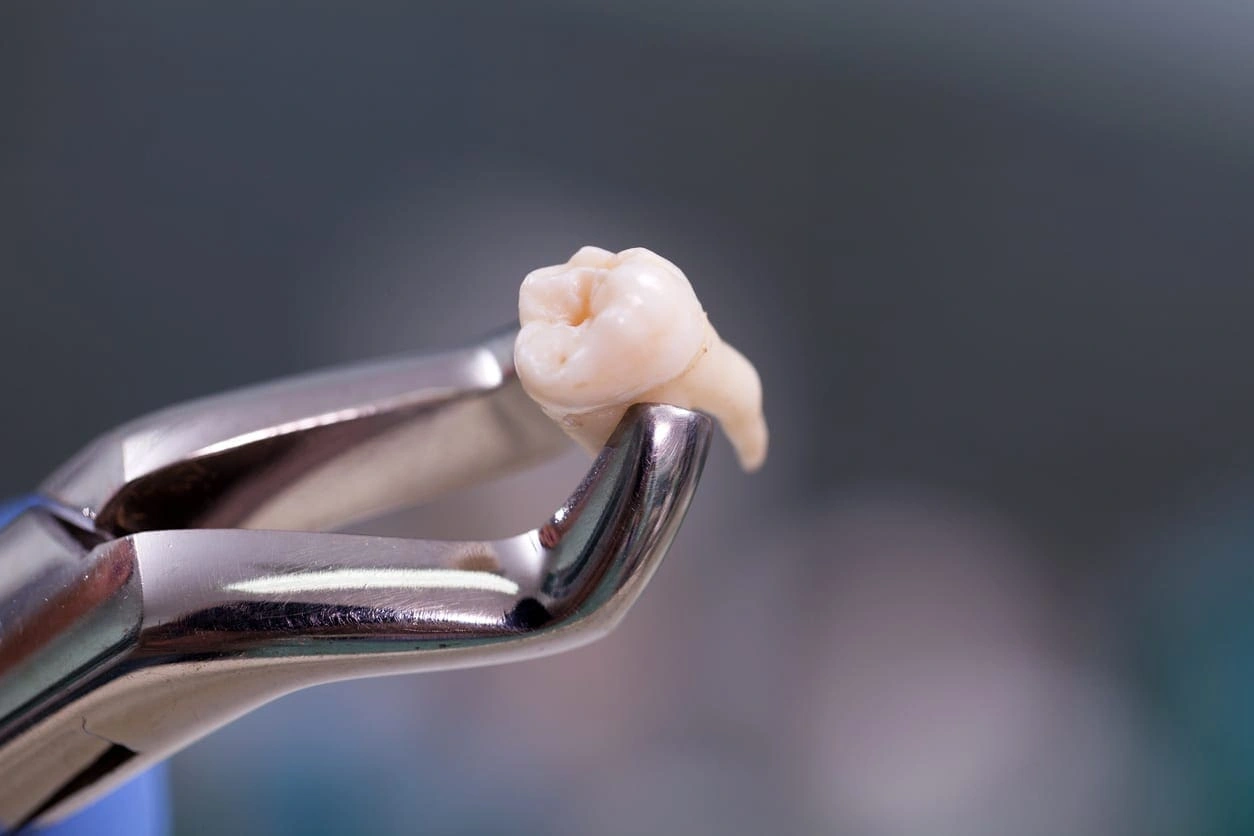
- If a tooth is knocked out, keep it moist (in milk or inside your cheek) and seek dental care immediately.
- For a cracked or chipped tooth, rinse your mouth with warm water and apply a cold compress to reduce swelling.
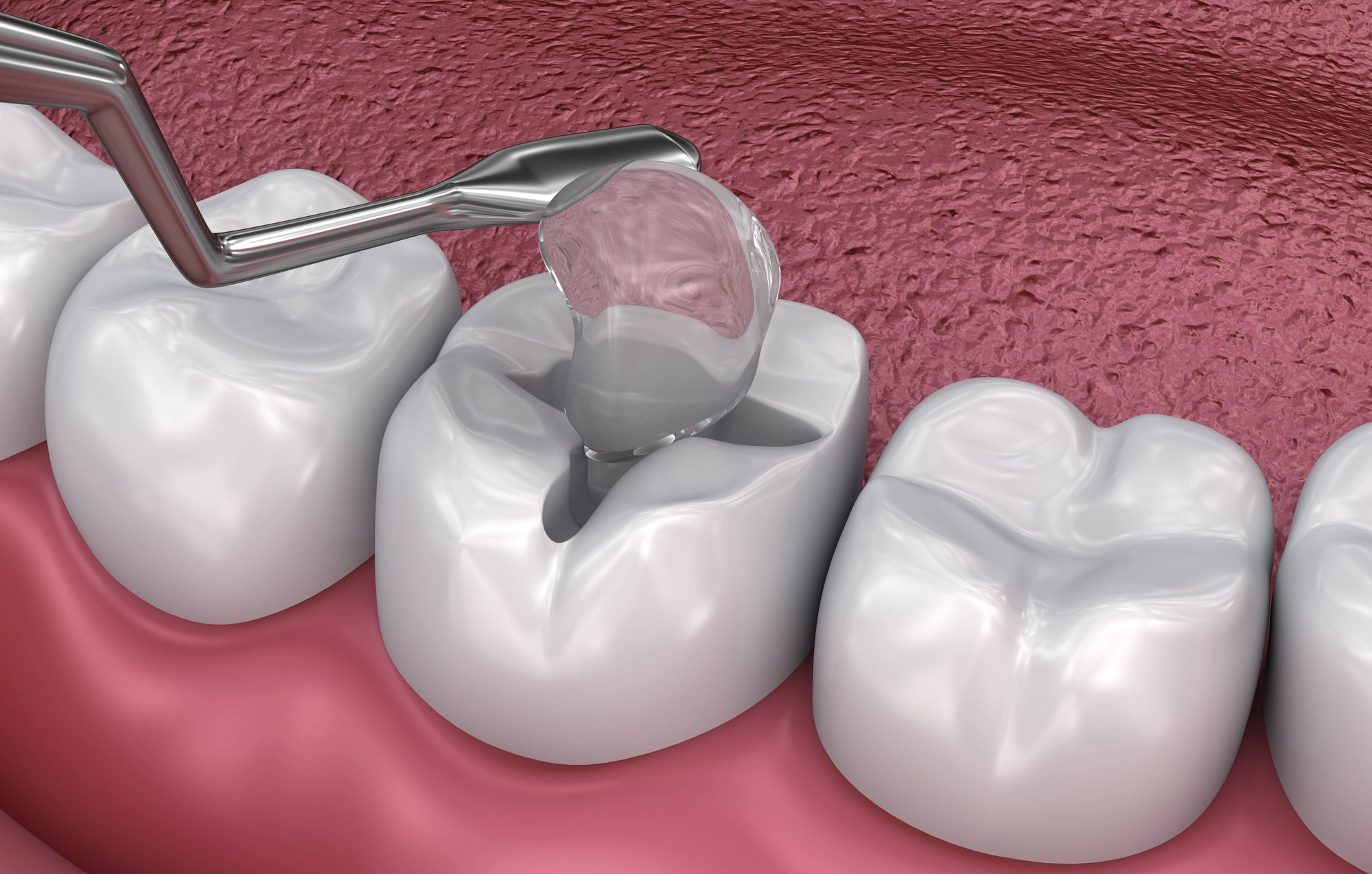
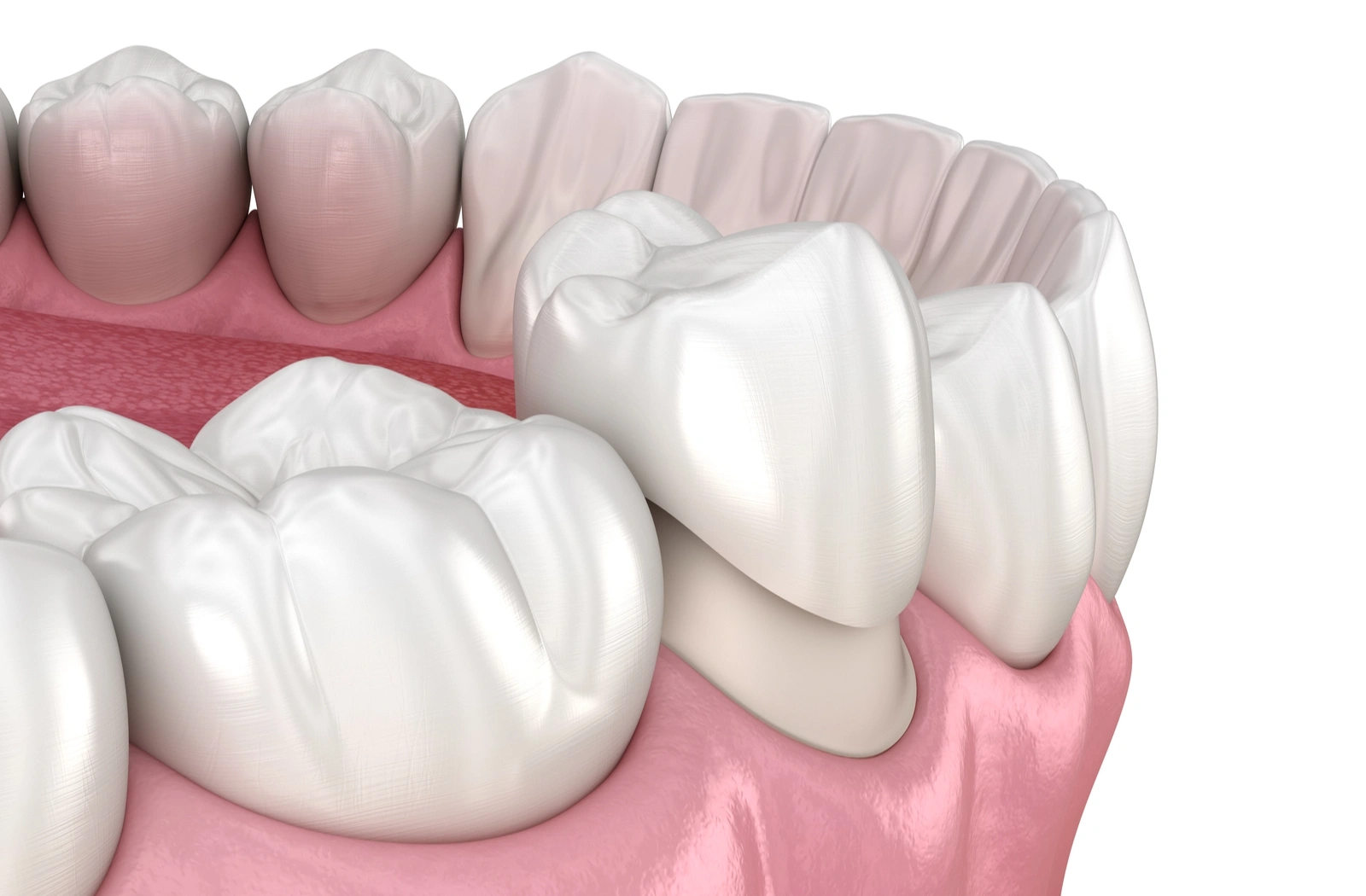
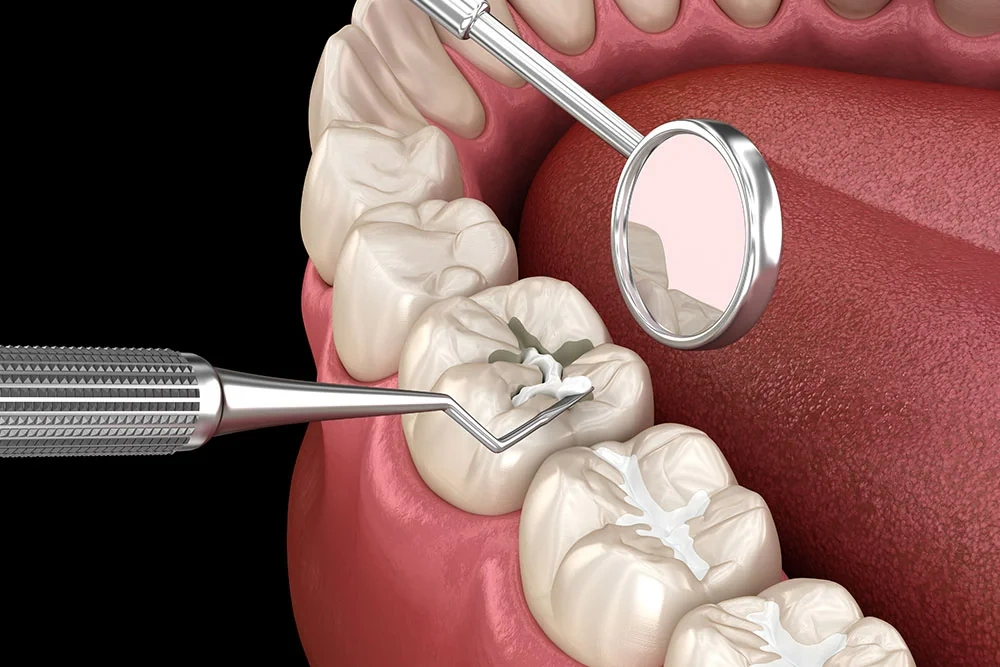
- Lost fillings or crowns should be addressed as soon as possible to avoid further damage or pain.
- Contact your dentist promptly if you experience severe pain, swelling, or bleeding that doesn’t stop.
How Often Should I Schedule Dental Visits During Winter?
Regular checkups and cleanings are important for catching problems early, especially as winter can make certain issues worse—like gum sensitivity or dry mouth. If you tend to get busy around the holidays, try to book your appointment ahead of time to avoid delays. Many families in South Surrey find winter a good time to get their dental care in order before the new year picks up speed.
Frequently Asked Questions
Can cold weather actually make my teeth crack?
Extreme temperature changes—like eating something hot after being out in the cold—can cause minor cracks in teeth, especially if there are already weak spots. Over time, these cracks can get worse if not addressed. If you notice a sudden pain or visible crack, see your dentist for an evaluation.
Is it safe to whiten my teeth during the winter?
Yes, but keep in mind that whitening treatments can increase sensitivity. If you already experience discomfort from cold air, talk to your dentist about the best approach to whitening or wait until sensitivity improves.
Are homemade remedies like saltwater rinses helpful in winter?
Saltwater rinses can help soothe sore gums or throats, which can be more common in winter. They aren’t a substitute for brushing and flossing, but can be a helpful addition if you have mild irritation.
What can I do about mouth sores that seem to appear more often in winter?
Cold weather, dry air, and seasonal illnesses can all contribute to mouth sores. Staying hydrated, using a humidifier, and maintaining good oral hygiene can help. If mouth sores persist or are especially painful, consult your dentist.
Winter brings enough challenges—don’t let dental problems be one of them. If you have concerns about your teeth or want to book a checkup, the team at South Surrey Dental is here to help. Reach out to us for advice or to schedule an appointment, and we’ll help keep your smile strong through the season and beyond.