
How to Get Emergency Dental Care: Quick Solutions & Tips
How to Get Emergency Dental Care: Essential Steps for Immediate Assistance
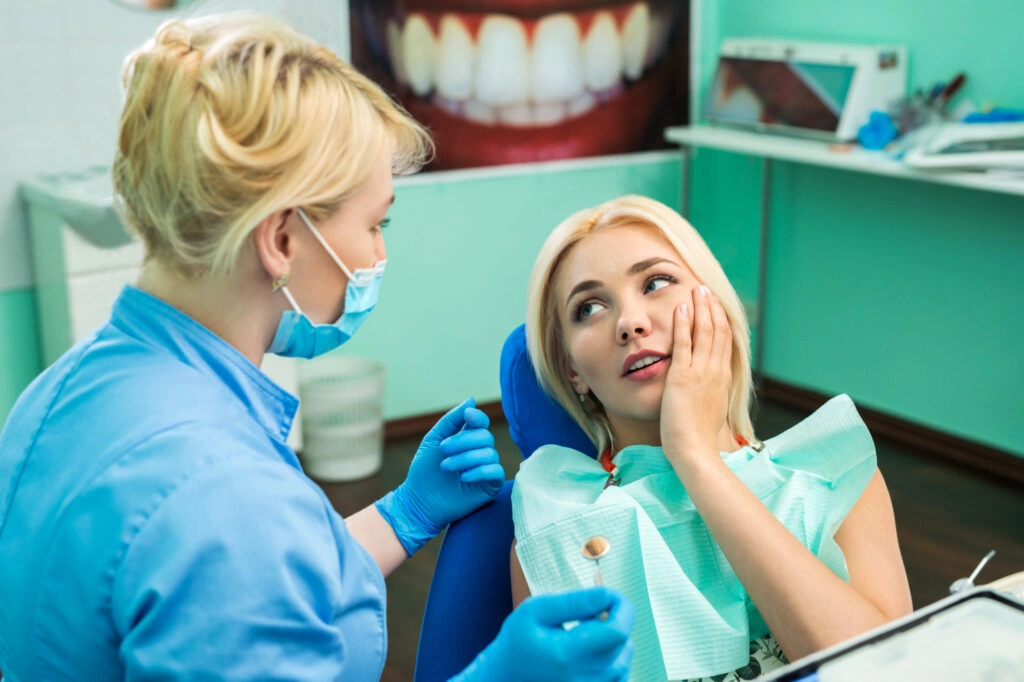
Dental emergencies can strike unexpectedly, leaving individuals frightened and unsure of the immediate actions to take. Whether it’s a severe toothache, a knocked-out tooth, or trauma to the mouth, knowing how to get emergency dental care promptly can significantly improve outcomes and reduce long-term damage. At South Surrey Dental, we understand the urgency of dental emergencies and are committed to providing swift, effective care. This comprehensive guide will walk you through the essential steps to secure emergency dental assistance, what to do in specific situations, and how to prevent future dental crises.
What Are Common Types of Dental Emergencies?
- Knocked-out teeth (avulsed tooth)
- Severe toothaches or abscesses
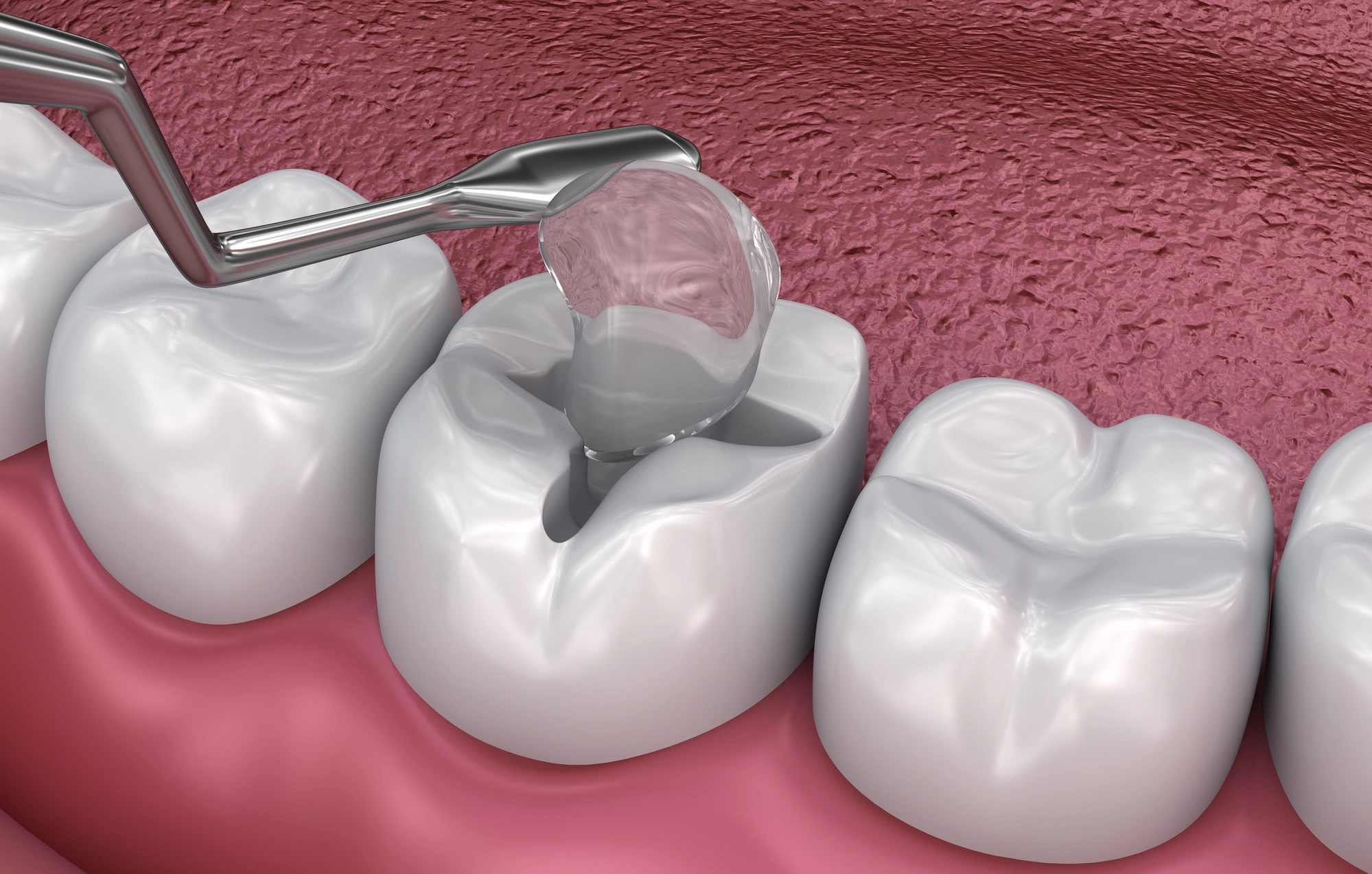
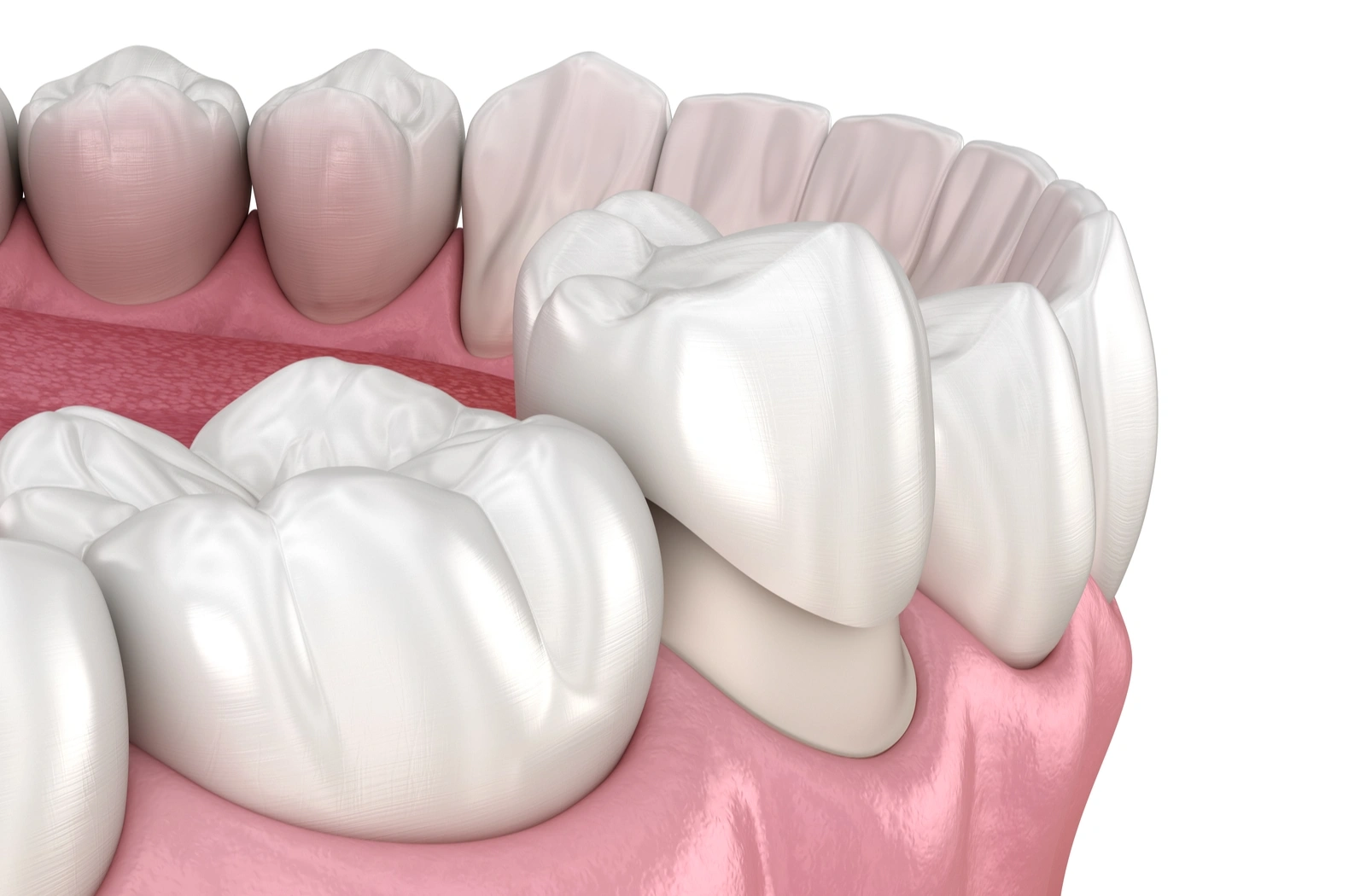
- Lost restorations like crowns or fillings
- Trauma to lips, cheeks, or other soft tissues
- Broken braces or dental appliances
Understanding the different types of dental emergencies helps in recognizing when immediate professional help is necessary and how to act accordingly.
How Quickly Should I Seek Emergency Dental Care?
Timing is critical in dental emergencies. The faster you access professional help, the better your chances of preserving your natural teeth and minimizing complications. For instance, if a tooth has been fully knocked out, immediate action within 30 minutes can dramatically increase the likelihood of saving it. For severe pain or bleeding, seek help as soon as possible to address underlying issues and prevent worsening conditions.
What Are the First Immediate Steps to Take During a Dental Emergency?
1. Remain Calm and Assess the Situation
Staying calm allows you to think clearly and act swiftly. Carefully evaluate the extent of the injury—determine if there is bleeding, displacement of teeth, or soft tissue damage.
2. Control Bleeding
If bleeding occurs, gently rinse your mouth with warm water and apply a clean, damp cloth or gauze to the area. Applying gentle pressure can help control bleeding until professional help is available.
3. Preserve Dislodged Teeth or Fragments
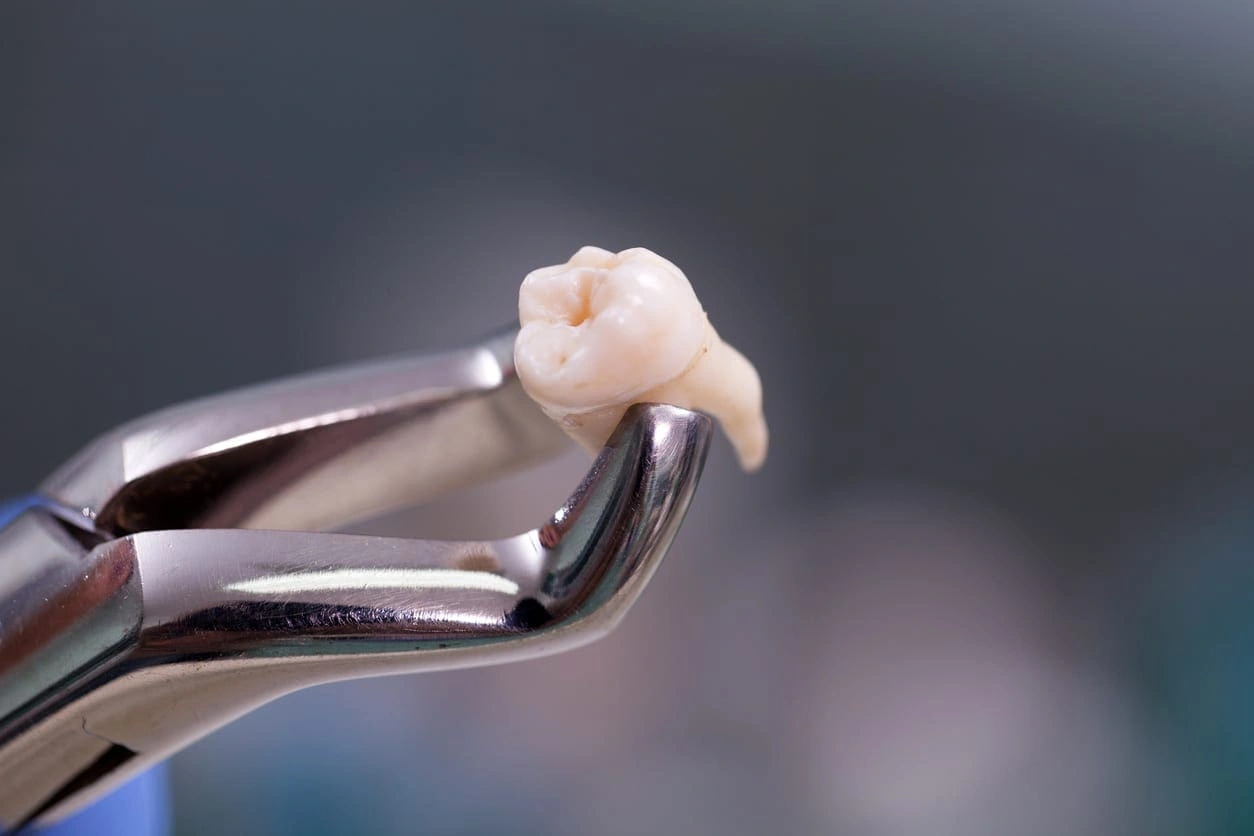
If a tooth is knocked out, handle it by the crown (top part), avoiding touching the root. Rinse it gently with milk or saline solution if dirty, and store it in a protective container. Timely preservation increases the chance of successful reimplantation.
4. Manage Pain and Swelling
Over-the-counter pain relievers like ibuprofen can reduce discomfort. Applying an ice pack to the outside of the mouth or cheek for 15-minute intervals can decrease swelling.
How Do I Know If My Dental Emergency Needs Immediate Attention?
Is Severe Pain a Sign of Urgency?
Yes. Intense, persistent pain often indicates underlying infections or damage that require urgent treatment to prevent further complications.
Can Bleeding Be Dangerous?
Uncontrolled bleeding, especially if it persists despite applying pressure, warrants immediate care. It may signal tissue injury or blood vessel damage.
What About Dislodged or Knocked-Out Teeth?
Missing teeth should be addressed immediately. Immediate reimplantation within 30 minutes to an hour offers the best chance for success, emphasizing the importance of quick action.
Where Should I Go When I Need Emergency Dental Care?
Locating the right emergency dental provider can make all the difference. Here are some options:
- Nearby dental clinics
- Urgent care centers with dental services
- Dental offices offering after-hours or emergency appointments
At South Surrey Dental, we prioritize urgent cases, providing prompt care to address your needs effectively. If you're searching for trusted professionals nearby, don’t hesitate to contact us for immediate assistance.
What Should I Look for in an Emergency Dental Provider?
- Ability to offer same-day appointments
- Availability outside regular hours
- Experienced team specialized in handling dental trauma
- State-of-the-art facilities and advanced treatment options
- Positive patient reviews and reliable reputation
How Can I Prevent Dental Emergencies in the Future?
- Maintain regular dental check-ups and cleanings
- Use mouthguards during sports or physical activities
- Practice good oral hygiene habits, including brushing and flossing
- Avoid chewing on hard objects like ice or pens
- Address dental issues promptly before they escalate
Prevention not only reduces the likelihood of emergencies but also promotes overall oral health.
Are There Specific Tips for Handling Dental Emergencies During Off-Hours?
Many dental emergencies happen outside regular office hours. In such cases, it’s crucial to have access to emergency services that provide after-hours care. Keeping contact information for your local dental clinic near me or emergency hotline is essential for swift action during nights or weekends.
Can I Manage Some Dental Emergencies at Home?
While immediate professional help is always recommended, some interim measures can help stabilize the situation:
- Rinsing the mouth with warm salt water to reduce bacteria and soothe tissues
- Applying cold compresses to reduce swelling
- Taking over-the-counter pain relief as directed
Non-urgent cases should still be evaluated by a dental professional promptly to prevent deterioration.
What Are the Long-Term Impacts of Delaying Emergency Dental Care?
Ignoring or delaying treatment for dental emergencies can lead to severe complications, including infection, loss of teeth, or damage to surrounding tissues. Early intervention is critical to preserve natural teeth, maintain oral function, and avoid costly or invasive treatments later on.
How Can I Find an Emergency Dentist Near Me?
The easiest way is to search with trusted keywords like “dental clinic near me” or “emergency dentist South Surrey.” Our practice, South Surrey Dental, offers dedicated emergency services to ensure you're always covered.
How can I tell if my dental pain is an emergency?
If your pain is severe, persists after over-the-counter medication, or is accompanied by swelling, bleeding, or difficulty swallowing, seek emergency dental assistance immediately.
What should I do if my child has a dental injury?
Remain calm and follow similar steps—control bleeding, locate and preserve any knocked-out teeth, and contact an emergency dentist for prompt evaluation and treatment.
Is it safe to reinsert a knocked-out tooth myself?
Reimplantation should ideally be performed by a professional. If necessary, handle the tooth carefully, keep it moist in milk or saline, and seek emergency dental care without delay.
How can I find emergency dental services after hours?
Contact your regular dental provider to see if they offer after-hours care, or search for 24-hour dental clinics in your area to ensure immediate help when needed.
What costs are associated with emergency dental treatment?
While costs can vary depending on the procedure required, prioritizing timely care reduces the risk of more extensive—and potentially more expensive—future treatments.
Conclusion: Act Swiftly and Confidently During Dental Emergencies
Understanding how to get emergency dental care and the essential steps to take can make a crucial difference during a stressful situation. Remember, prompt action, controlling bleeding, preserving damaged teeth, and seeking professional help are key to minimizing long-term damage and restoring your oral health.
Trust South Surrey Dental for expert emergency services, ensuring you receive immediate and comprehensive care when you need it most. Don’t hesitate to contact us today for guidance or to schedule an emergency appointment. Your smile and oral health are our top priorities.