How to Choose the Right Toothbrush: Expert Tips & Advice
How to Choose the Right Toothbrush: A Simple Guide
Maintaining good oral hygiene begins with a crucial but often overlooked tool: your toothbrush. With so many options available, how do you know which one is best for you? Understanding the key factors in choosing the right toothbrush can significantly impact your dental health. This guide helps you navigate the key considerations to make an informed decision that suits your needs.
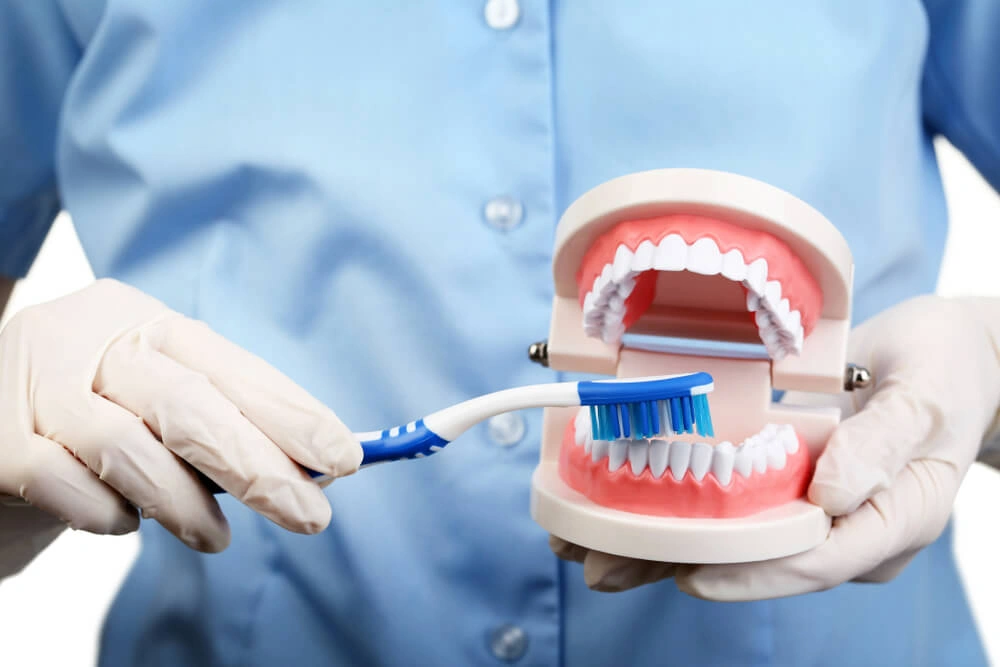
When exploring how to choose the right toothbrush, your first step is to understand the options available. There are primarily two types: manual and electric toothbrushes. Each offers unique advantages:
- Manual Toothbrushes: Simple, portable, and affordable. They require proper technique and timing for effective cleaning.
- Electric Toothbrushes: Use oscillating or sonic motion to enhance cleaning. They are often recommended for individuals with braces, limited dexterity, or special dental needs.
Choosing between these depends on your personal preferences, oral health status, and lifestyle. For many, a high-quality manual toothbrush paired with effective brushing techniques suffices, but electric options can provide additional benefits for comprehensive care.
Size matters when it comes to effective brushing. A toothbrush should comfortably fit your mouth, allowing you to reach all areas easily.
- Head Size: Opt for a compact head—approximately 1 inch in width and 1.3 inches in length—that can easily navigate the back of your mouth.
- Handle and Grip: A lightweight handle with a non-slip grip ensures control and comfort during brushing sessions.
Choosing the right size and shape ensures thorough cleaning without causing discomfort or damage to your gums and teeth.
The bristle type impacts how effectively and comfortably you clean your teeth:
- Soft Bristles: The recommended choice. They clean effectively without irritating gums or damaging enamel.
- Medium and Hard Bristles: Generally not advised unless specifically prescribed by your dentist. They may cause abrasion and wear down enamel over time.
When selecting bristles, look for options labeled "soft" to promote safe, gentle cleaning.
Regular replacement is vital to ensure optimal cleaning and prevent bacteria buildup. The general guideline is:
- Replace your toothbrush every 3 to 4 months or sooner if the bristles fray or splay.
Worn bristles lose their effectiveness, leaving plaque and bacteria behind. An easy way to remember is to get a new toothbrush at the start of a new season or after any illness.
Each brushing method offers distinct benefits:
- Manual: Cost-effective, portable, easy to control, and suitable for most oral health needs.
- Electric: Often more effective at reducing plaque and gingivitis, especially with timer features ensuring proper brushing duration.
Discuss with your dentist which option aligns best with your dental health goals. For more advanced cases, exploring options like full-mouth restoration can enhance overall results—consider visiting [South Surrey Dental](https://southsurreydentistry.com/post/full-mouth-restoration-mud-bay-bc) for specialized care.
Choosing the right toothbrush is only part of the equation. Proper technique ensures your efforts translate into healthier teeth.
- Use gentle pressure—pressing hard can damage gums and enamel.
- Position the brush at a 45-degree angle toward the gumline.
- Use short, circular motions rather than harsh back-and-forth scrubbing.
- Brush for at least two minutes, covering all surfaces of each tooth.
- Don’t forget your tongue and the roof of your mouth for fresh breath.
Adopting proper brushing habits maximizes the benefits of your chosen toothbrush and supports overall dental health.
If you have braces, dentures, or other dental appliances, your toothbrush choice and technique need adjustment:
- Braces: Use a toothbrush designed for orthodontic care or consider an interdental brush for cleaning brackets and wires effectively. For more details, visit [South Surrey Dental](https://southsurreydentistry.com/post/braces-cloverdale-bc).
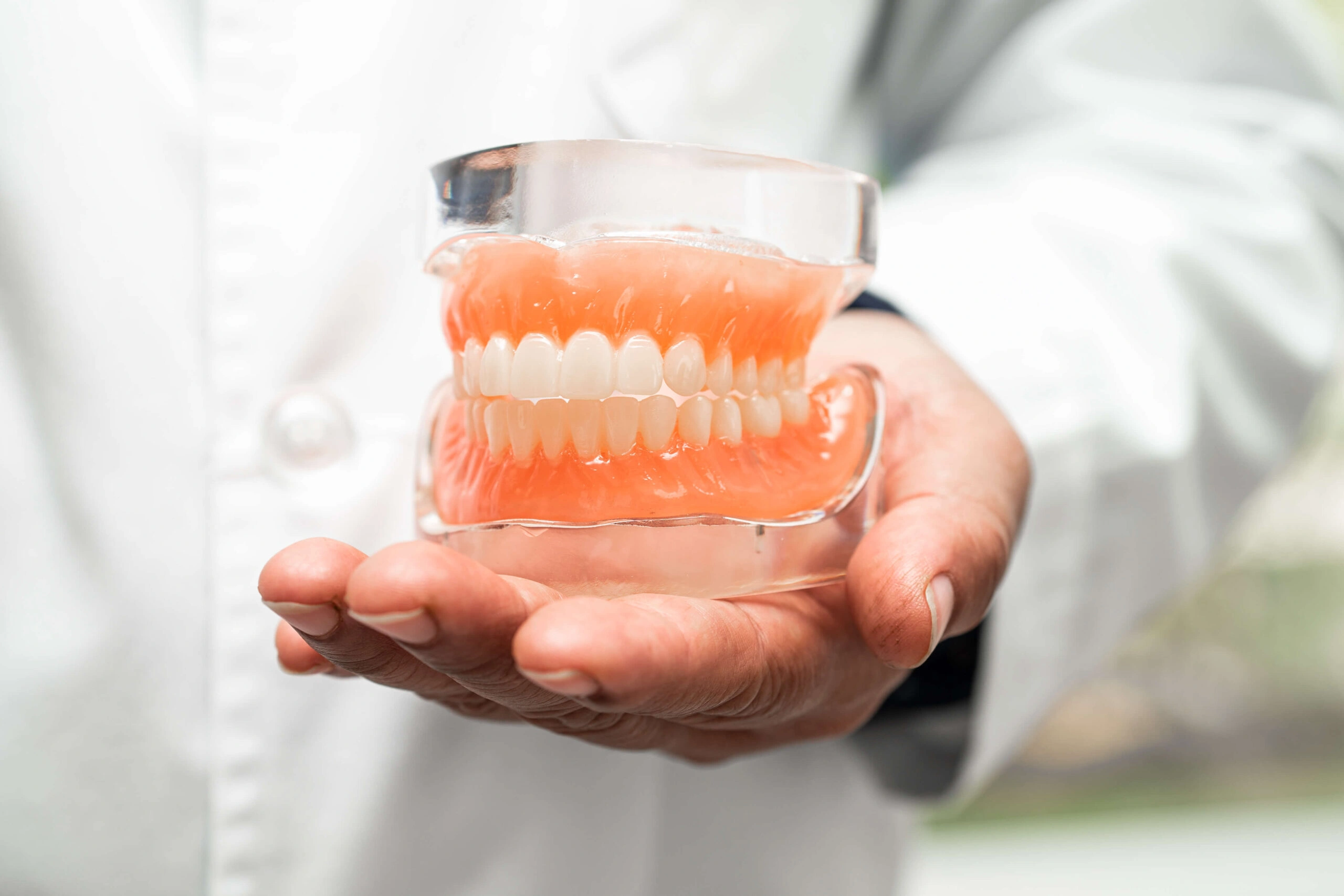
- Dentures: Specialized denture brushes are essential for cleaning removable appliances thoroughly.
Consult your dentist regularly to ensure your brushing method maintains your appliance’s integrity and oral health.
Powered toothbrushes can offer deeper cleaning, especially for those with mobility issues or specific dental conditions:
- Consistent brushing motion and pressure.
- Built-in timers to ensure adequate brushing time.
- Enhanced plaque removal capabilities.
When selecting a powered toothbrush, consider features such as battery life, modes, and compatibility with your needs.
Proper maintenance extends the lifespan of your toothbrush and keeps it sanitary:
- Rinse thoroughly after each use to remove debris.
- Store upright and allow it to air dry—avoid covering or sharing brushes.
- Replace regularly, as mentioned earlier, to prevent bacterial growth.
Good hygiene practices for your toothbrush are as important as selecting the right one.
Consulting with your dentist ensures personalized recommendations based on your unique oral health circumstances. Regular dental checkups provide opportunities to discuss your brushing routine and tools. For comprehensive dental care and tailored advice, visit South Surrey Dental.
Developing consistent habits enhances the benefits of your toothbrush choice:
- Create a routine—brush at least twice daily and floss regularly.
- Set reminders to replace your toothbrush as needed.
- Incorporate cool accessories like timers or music to make brushing engaging.
Small changes can lead to significant improvements in your dental health over time.
Conclusion
Choosing the right toothbrush is a foundational step in maintaining optimal oral health. By understanding the differences between manual and electric options, selecting appropriate size and bristle type, and adopting proper technique, you can significantly enhance your dental routine. Remember, regular professional checkups and personalized advice from your dentist play a vital role in keeping your smile bright and healthy. Take the time to find your ideal toothbrush today and enjoy the confidence of a truly clean, healthy mouth.
Frequently Asked Questions
It’s recommended to replace your toothbrush every 3 to 4 months, or sooner if the bristles become frayed or worn out. Regular replacement ensures effective plaque removal and oral hygiene.
Yes, but it’s crucial to ensure you use a soft-bristled toothbrush and adopt gentle brushing techniques. Consult your dentist for tailored recommendations, especially if you have specific periodontal issues.
If you notice frayed or splayed bristles, a decline in cleaning effectiveness, or if it looks visibly dirty and doesn’t seem to be cleaning well despite proper use, it’s time to replace it.
Maintaining an effective toothbrush routine is a cornerstone of good dental health. Carefully consider your options, practice proper technique, and seek professional advice to ensure your smile stays healthy and vibrant for years to come.