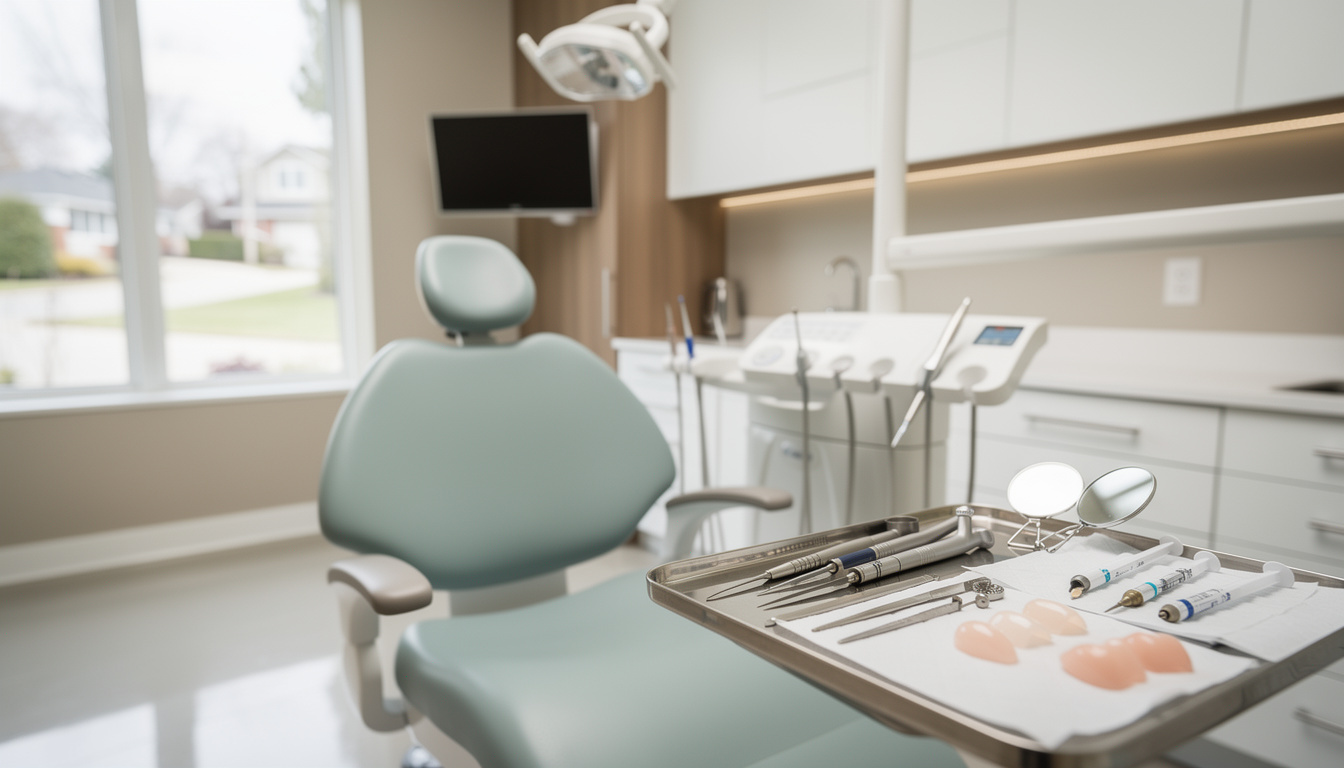
How to Care for Dental Veneers and Make Them Last Longer
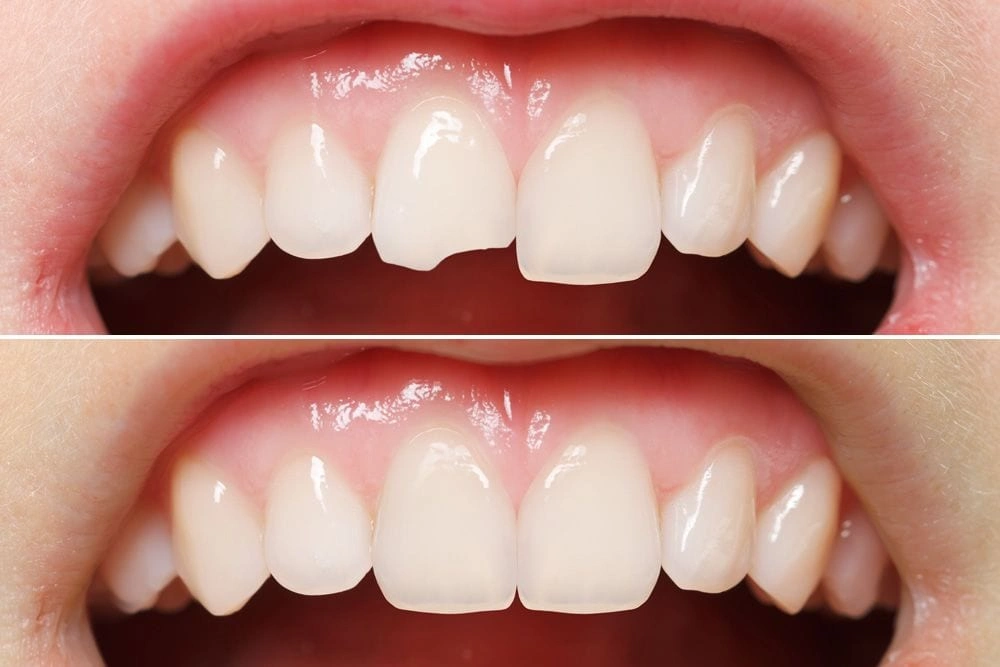
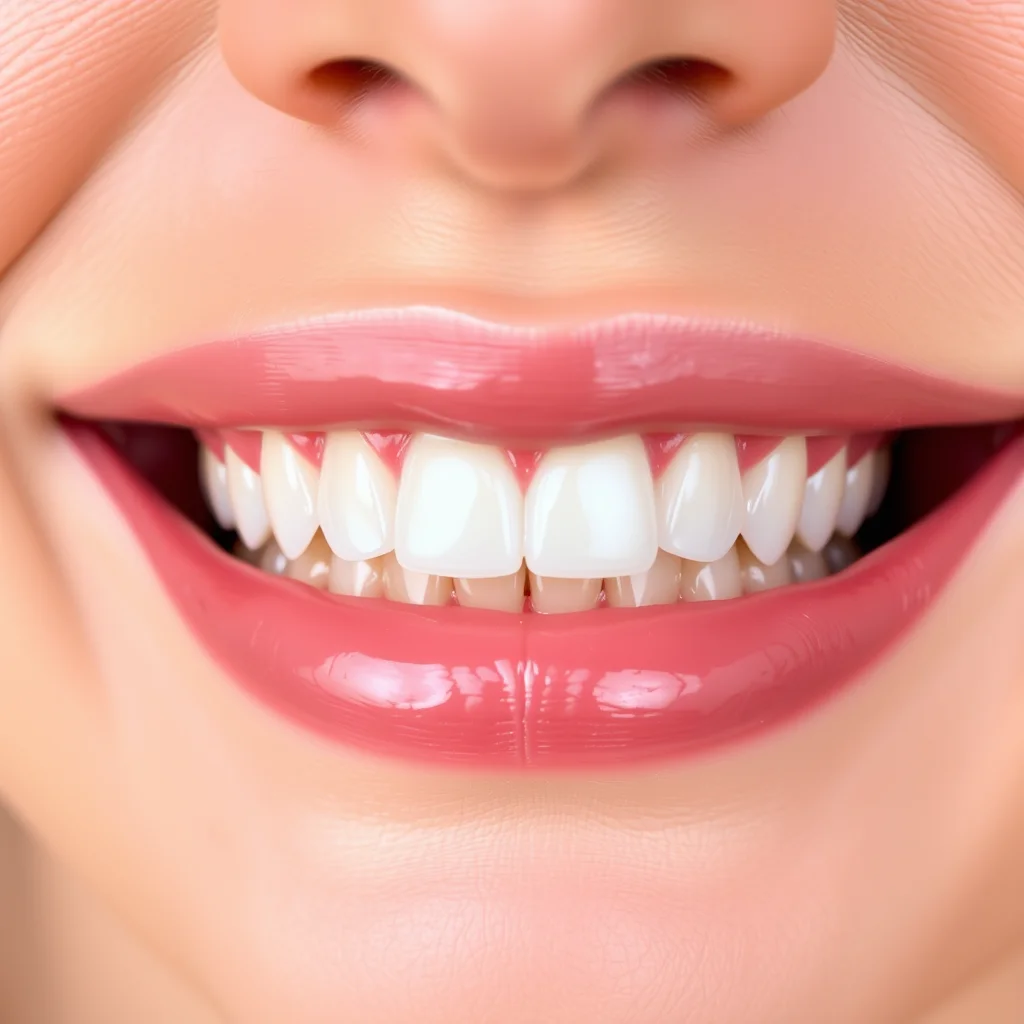
Dental veneers can transform your smile, giving you bright, even teeth. To keep them looking great and functioning well, they need some special care. Many people in South Surrey choose veneers to fix chips, discolouration, or gaps, but they sometimes wonder what it takes to keep veneers in top shape over the years. Here’s a practical guide to help you take care of your dental veneers and extend their lifespan.
How Should I Clean My Veneers Every Day?
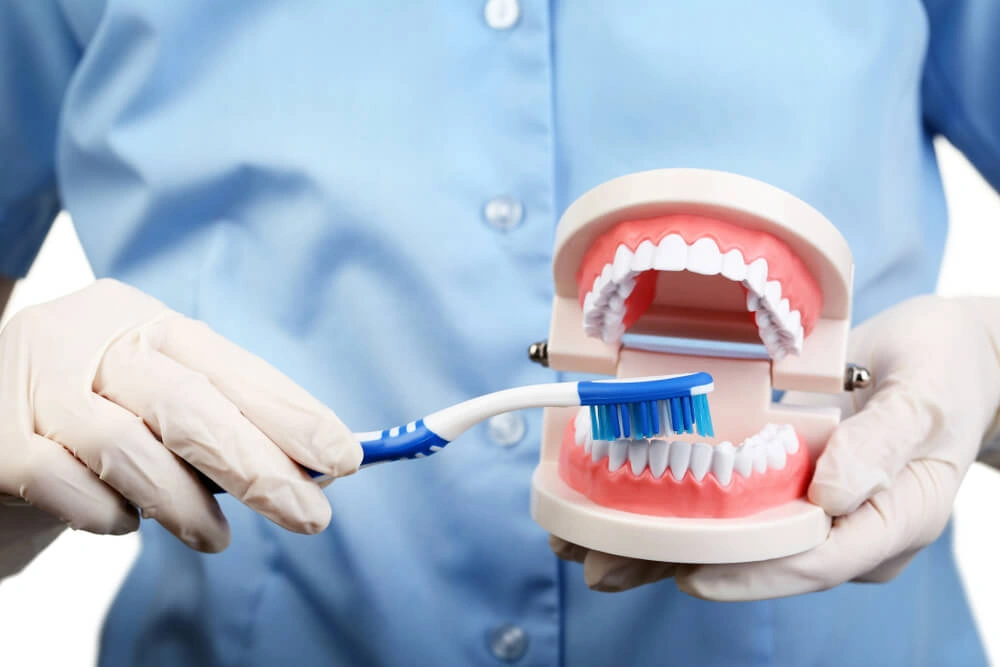
The key to veneer longevity is sticking to a solid oral hygiene routine. Brush your teeth twice a day with a soft-bristled toothbrush—hard bristles can scratch the surface of your veneers. Use a non-abrasive toothpaste that won’t wear down the porcelain or composite material. Floss once a day, making sure to clean around each tooth, including those with veneers. This helps prevent plaque buildup along the gumline, which protects both your veneers and your natural teeth.
Are There Foods and Drinks I Should Avoid?
While veneers are strong, they’re not indestructible. Avoid biting directly into very hard foods like ice, hard candies, or bones, as these could chip or crack the veneer. Sticky foods—like caramel or certain candies—can pull at the edges and loosen the bond over time. Be mindful with foods and drinks that cause stains, such as coffee, tea, red wine, and berries. Porcelain veneers resist staining better than natural enamel, but the bonding material at the edges can still pick up colour. It’s smart to rinse your mouth or drink water after consuming stain-prone items.
What Habits Can Damage My Veneers?
Some habits that don’t seem like a big deal can actually shorten the lifespan of your veneers. Chewing on pens, using your teeth to open packages, or biting your nails can all put too much pressure on your veneers. If you grind your teeth at night (a condition called bruxism), mention it to your dentist. They may recommend a custom night guard to protect your veneers from excessive wear or damage while you sleep.
How Often Should I Visit the Dentist?
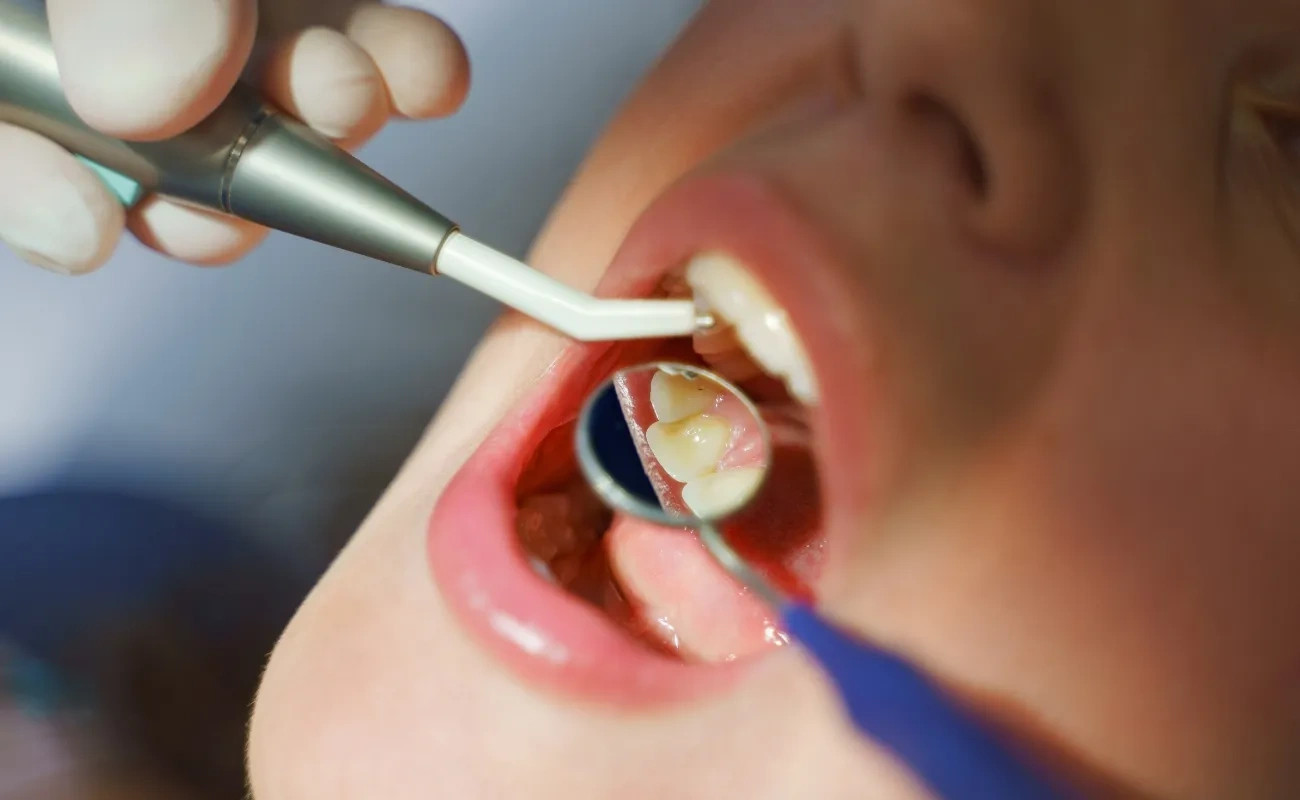
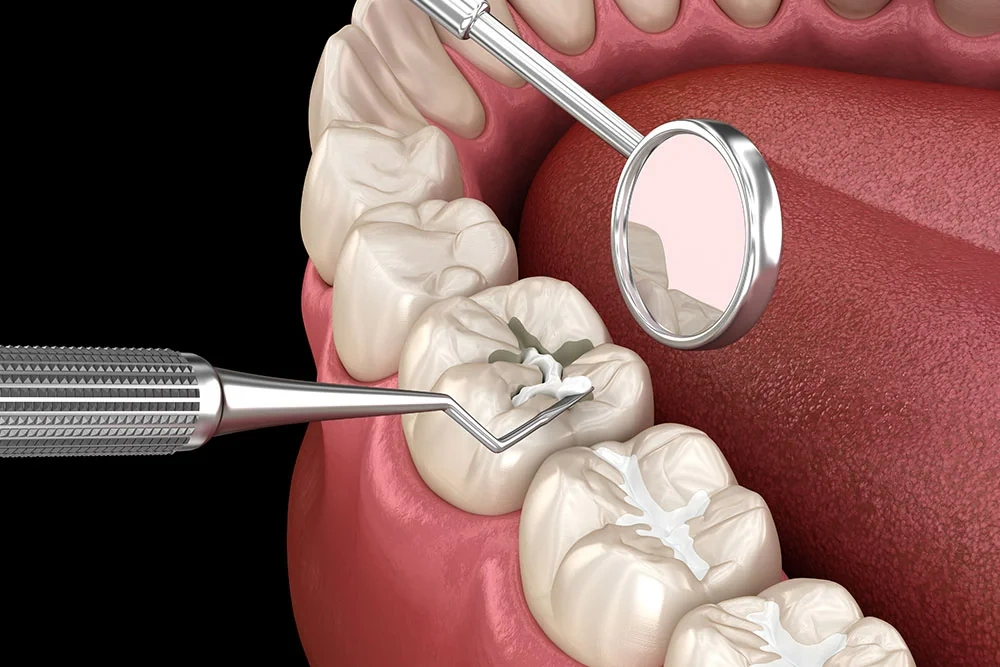
Regular dental checkups and professional cleanings are essential for keeping your veneers—and your whole mouth—healthy. Your dentist can spot small issues before they become bigger problems, like gum disease or cavities forming at the edge of a veneer. At each visit, your dentist will also check the condition of your veneers to make sure they’re still securely attached and free from wear or minor chips. For South Surrey residents, scheduling these appointments every six months is a good rule of thumb.
Is There Special Care After Getting New Veneers?
Right after your veneers are placed, your teeth and gums might feel a bit sensitive for a few days. Avoid very hot or cold foods until things settle down. Stick to soft foods if your mouth is sore. If you feel your bite isn’t quite right, or the veneers feel uncomfortable, call your dentist for a quick adjustment. It’s normal for new veneers to take a little time to feel just like your natural teeth.
How Do I Handle Problems With My Veneers?
If you notice a veneer feels loose, chipped, or cracks, don’t try to fix it yourself. Avoid chewing on that side and contact your dentist as soon as possible. Most issues can be repaired if caught early. Waiting too long can make repairs more involved, or even require replacing the veneer. It’s also a good idea to let your dentist know if you notice any changes in your bite or sensitivity around a veneered tooth.
Frequently Asked Questions
Can veneers get cavities?
The veneer itself cannot get a cavity, but the tooth underneath still can. That’s why brushing and flossing are just as important as before you had veneers placed.
Will my veneers ever need to be replaced?
Veneers are durable but not permanent. With proper care, they can last many years, but eventually, they may need to be replaced due to normal wear, damage, or changes in your mouth over time.
Can I whiten my veneers if they get stained?
Traditional tooth whitening products won’t work on porcelain or composite veneers. If your veneers become stained or discoloured, ask your dentist about professional cleaning or polishing options.
Do veneers require special toothpaste?
It’s best to use a non-abrasive toothpaste to avoid scratching the surface of your veneers. Your dentist can recommend a good brand if you’re unsure.
If you’re in the South Surrey area and have questions about caring for your veneers, or if you’re considering veneers for the first time, don’t hesitate to contact South Surrey Dental. Professional guidance and regular care will keep your smile looking its best for years to come.