
How Long Does a Dental Cleaning Take? Find Out Now!
How Long Does a Dental Cleaning Take? Unveiling the Secrets Behind Your Smile Maintenance
If you've ever scheduled a dental appointment, you've likely wondered, how long does a dental cleaning take? This seemingly simple question hides a world of fascinating insights into oral health, patient experience, and the revolutionary methods endorsed by clinics like South Surrey Dental. Understanding the duration of this routine procedure can empower you to plan better, relax more during appointments, and appreciate the remarkable science behind a clean, healthy smile.
What Factors Influence the Duration of a Dental Cleaning?
The length of a dental cleaning can fluctuate based on several factors, including the current state of your oral health, the presence of plaque or tartar buildup, and individual anatomy. For instance, someone with excellent oral hygiene may require a quick, 30-minute session, whereas patients with periodontal issues might need extended treatment. Additionally, the efficiency of your dentist's tools and techniques can also impact the overall duration.
Absolutely. If advanced cleaning procedures like scaling or root planing are necessary, the appointment may extend beyond the typical 30-60 minutes. These procedures remove hardened plaque and bacteria beneath the gumline, essential for preventing gum disease and maintaining long-term dental health. To get a clearer picture of how much time you might expect, it's beneficial to consult with your dental provider about your specific needs.
Is a Standard Dental Cleaning a Quick Procedure or an In-Depth Session?
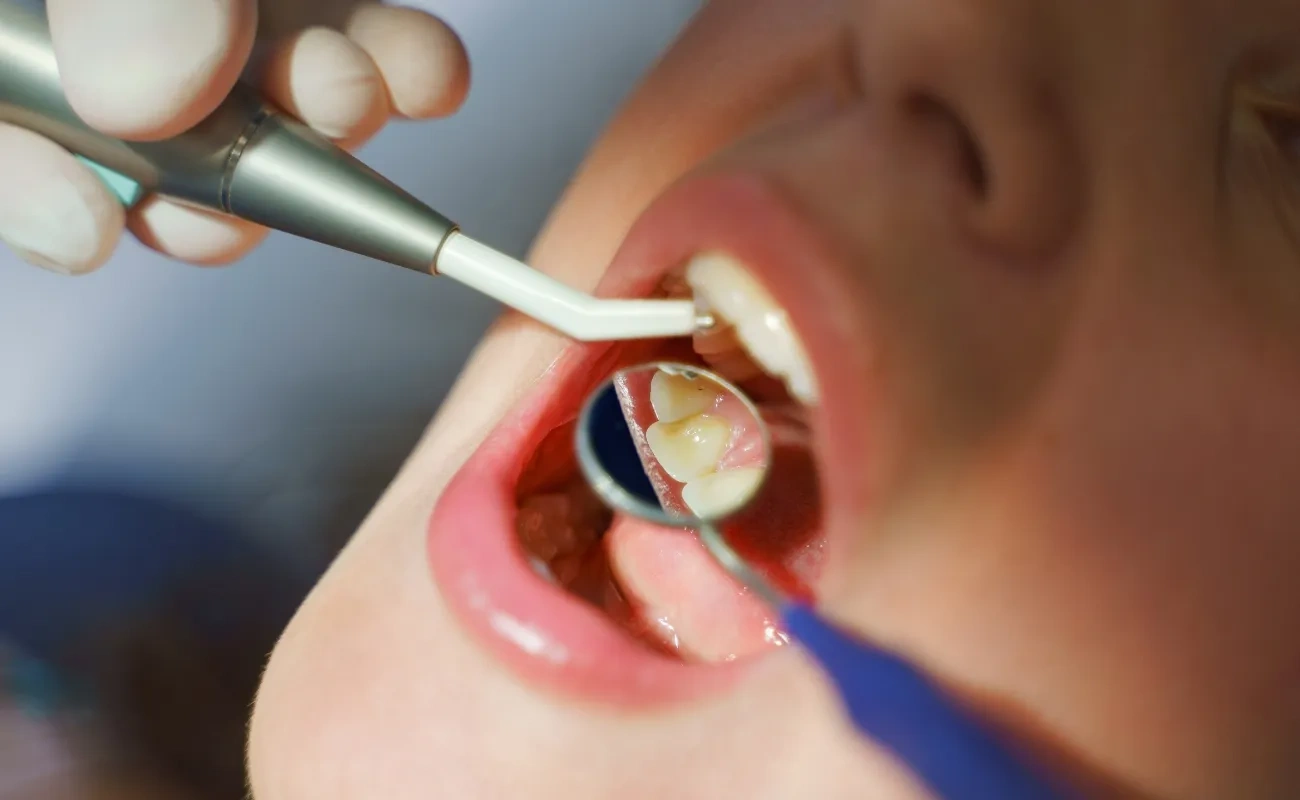
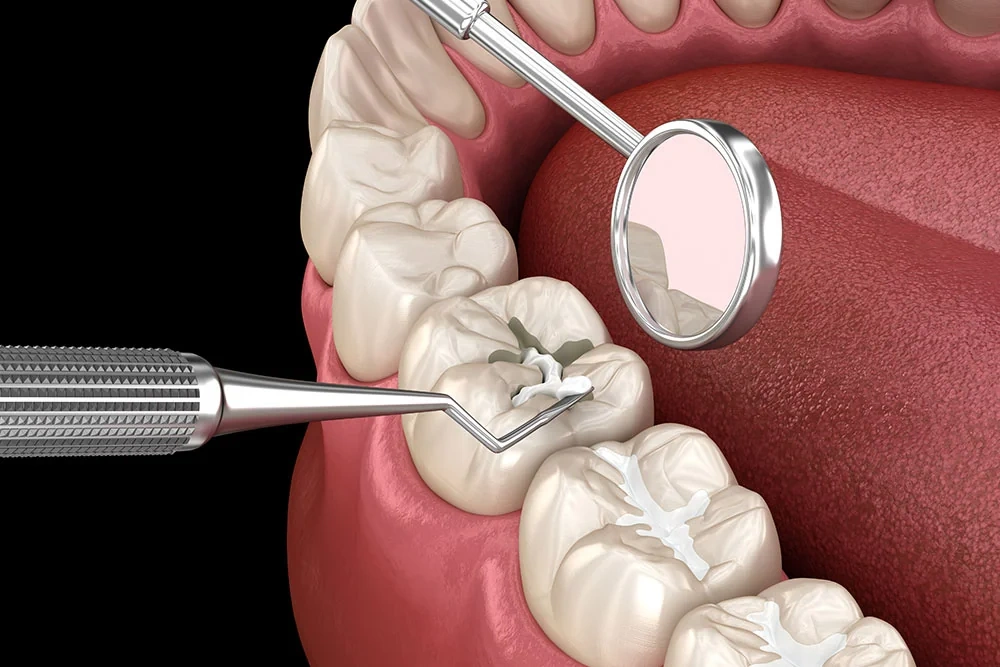
A typical professional cleaning involves several key steps: removal of plaque and tartar, polishing teeth, and flossing. Most patients find this process efficient and straightforward, often completed within 30 to 60 minutes. However, if additional treatments are necessary, such as fluoride application or dental sealants, the session may take longer. Knowing what to expect can help you better prepare for your visit.
Preventive care aims to keep your teeth and gums healthy before issues develop. Regular cleanings—ideally twice a year—are designed to maintain your oral health efficiently. The upfront time investment pays off by avoiding more invasive and lengthy treatments later on, which can demand extensive procedures and longer appointments.
Can You Speed Up or Slow Down a Dental Cleaning Process?
While it's tempting to speed through appointments or prolong them for thoroughness, the best approach is to follow your dentist's guidance. Efficient cleaning depends on professional skill and patient cooperation. For example, maintaining excellent oral hygiene at home—like regular brushing, flossing, and using [the right toothpaste for gum health](https://southsurreydentistry.com/post/how-to-choose-the-right-toothpaste-for-gum-health)—can reduce the time needed for cleaning and make your visits more effective.
In cases of periodontal disease or significant tartar buildup, longer appointments or multiple sessions might be recommended. Discuss your concerns and history openly with your dentist to ensure a tailored plan that maximizes results without unnecessary delays.
What Are the Benefits of Regular and Proper Dental Cleanings?
Regular cleanings maintain the balance of oral bacteria, prevent cavities, and inhibit gum disease. The fresher your teeth feel after a cleaning, the more motivated you'll be to sustain good habits. Moreover, early detection of dental issues during routine visits can save time, money, and discomfort in the future.
Indeed. Advances in dental technology and evolving protocols allow for more efficient, comfortable, and effective cleanings. For example, newer ultrasonic scalers can remove deposits faster and with less discomfort. Integrating these innovations into your routine enhances your dental health and ensures your smile remains radiant.
How Do Dental Technology and Techniques Impact Cleaning Time?
Yes. High-tech tools like ultrasonic scalers and air polishing devices have revolutionized the cleaning process. These instruments reduce the time needed for plaque and tartar removal while enhancing patient comfort. Hospitals and clinics like South Surrey Dental leverage cutting-edge technology to deliver timely, precise care that aligns with your busy schedule.
Your proactive participation, including maintaining good oral hygiene and informing your dentist of your concerns, can significantly influence procedure length. Proper preparation ensures that your appointment proceeds smoothly, making the experience more efficient and less stressful.
Is There a Connection Between Dental Cleaning Time and Overall Dental Health?
Efficiency does not mean compromising quality. A thorough cleaning—no matter if it takes 30 or 60 minutes—is vital for removing hidden plaque and preventing future problems. Conversely, rushing through or prolonging sessions unnecessarily can lead to subpar results or patient discomfort. Follow your dentist’s advice and trust their expertise for optimal outcomes.
Biannual professional cleanings paired with diligent home care are proven to extend the lifespan of your teeth and preserve your smile. Regular visits also allow your dentist to monitor your progression, addressing issues promptly before they escalate into more complex procedures.
What Are Practical Tips for Managing Your Dental Appointment Duration?
- Prepare Ahead: Ensure your dental history is updated and share any concerns or symptoms with your provider prior to the appointment.
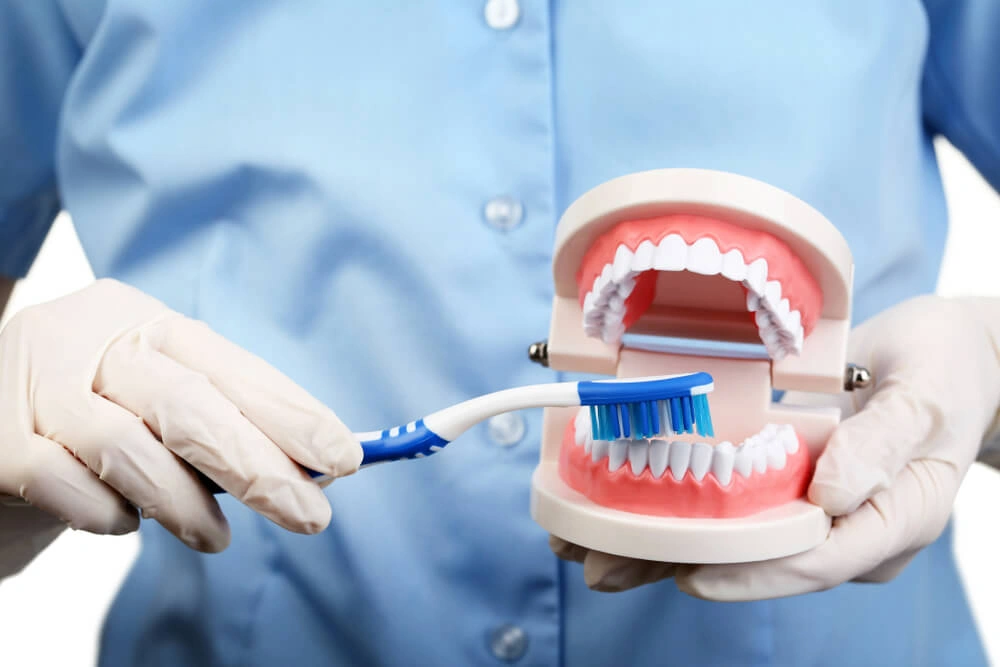
- Maintain Good Oral Hygiene: Consistent brushing and flossing at home reduce plaque buildup, decreasing cleaning time and enhancing effectiveness. For tips, check out how to use a dental scaler at home.
- Plan Appointments Strategically: Schedule at times when you feel most relaxed and alert to reduce stress and optimize cooperation during procedures.
- Communicate Clearly: Clarify your expectations and ask about the specific procedures involved to better understand the process.
Frequently Asked Questions (FAQs)
Most routine dental cleanings are completed within 30 to 60 minutes, depending on individual needs and the complexity of cleaning required.
Extended durations often result from factors like tartar buildup, gum disease, or the need for specialized procedures such as scaling or root planing.
While most patients experience minimal discomfort, some sensitivity, especially with deep cleaning, is normal. Dentists use advanced techniques and anesthesia options to ensure comfort.
Maintain good oral hygiene leading up to your appointment, share your dental history, and communicate your concerns clearly with your dental team.
Summing Up: Your Path to a Healthier Smile
Understanding how long does a dental cleaning take unlocks a deeper appreciation for this essential, revolutionary aspect of oral health. Whether it's a quick maintenance session or a more detailed treatment, each visit serves as an investment in your long-term well-being.
At South Surrey Dental, we are passionate about transforming routine dental care into a revolutionary experience. Our commitment is to deliver efficient, high-quality treatments that fit seamlessly into your busy life, ensuring your smile remains vibrant and healthy for years to come.