How Does a Dental Vacuum System Work? Explained Simply
Have You Ever Wondered How Dental Practices Maintain Such Sterile and Clean Environments?
Step into any modern dental clinic, and you'll notice an array of advanced machinery working seamlessly behind the scenes. Among these, the dental vacuum system stands out as a pivotal component ensuring not only patient comfort but also the highest standards of hygiene. But how does a dental vacuum system work, and why is it so essential in dental procedures? Let’s delve into this fascinating topic to unveil the ingenious mechanics that keep your smile bright and healthful.
What Is a Dental Vacuum System and Why Is It Critical in Dental Practice?
At its core, a dental vacuum system is a sophisticated setup designed to efficiently remove saliva, blood, debris, and excess water from a patient's mouth during dental treatments. Its role extends beyond mere waste removal; it ensures a sterile field that minimizes infection risk, enhances patient comfort, and allows dentists to work with precision and confidence.
Without this vital system, maintaining cleanliness and preventing cross-contamination would become exponentially more challenging. From routine cleanings to complex surgeries, the dental vacuum system forms the backbone of modern dental hygiene practices.
How Does a Dental Vacuum System Work to Ensure Optimal Hygiene?
The operation of a dental vacuum system is anchored in a few essential components:
- Vacuum Pump: This powerhouse creates a continuous negative pressure, drawing air and liquids away from the patient's mouth.
- Hoses and Suction Tips: Flexible conduits that carry the suction to and from the patient's mouth, equipped with ergonomic tips for comfort and efficiency.
- Fluid Collection System: Usually involving a reservoir bottle or a central waste tank that collects all the fluids and debris removed during procedures.
- Filters and Sanitization Units: Designed to prevent contamination of the system and ensure safe, sterile operation at all times.
Understanding the process reveals the impressive engineering behind this technology:
- Activation: The dental professional turns on the vacuum pump, which initiates the creation of negative pressure in the system.
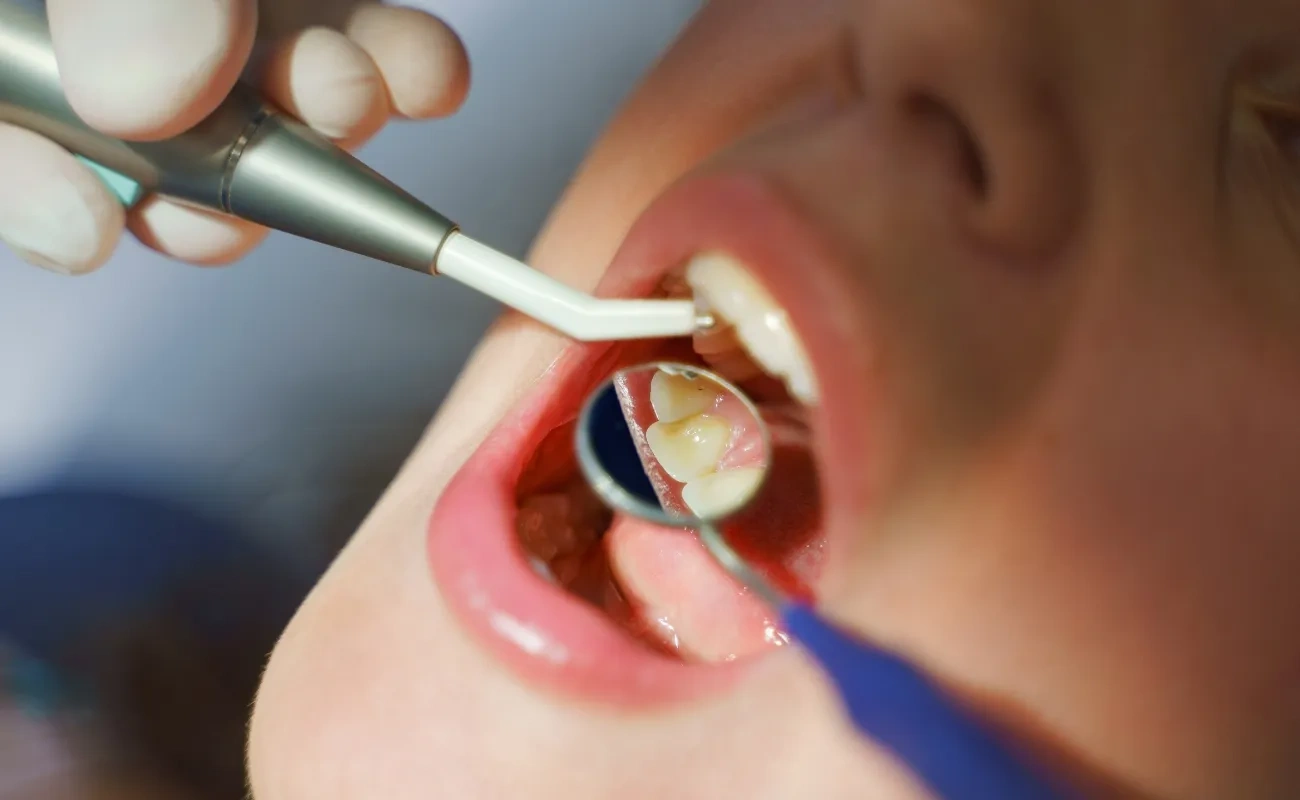
- Suction Initiation: The dentist or hygienist places the suction tip in the patient’s mouth, typically near the tongue or cheek, to maximize fluid removal.
- Fluid and Debris Removal: When the vacuum is active, saliva, blood, and water are instantly pulled into the hoses, bypassing the patient and clearing the working area.
- Fluid Collection: These fluids are then directed to the waste collection container, maintaining a dry, clean field.
- Filtration and Sterilization: The system’s filters trap any bacteria or contaminants, ensuring that the vacuum remains hygienic and safe to operate repeatedly.
Envision this cycle happening rapidly—sometimes dozens of times a day—yet functioning smoothly without discomfort or interruption. It’s a marvel of modern dental machinery.
Why Is the Design of a Dental Vacuum System So Important?
Designing a dental vacuum system involves meticulous engineering to balance power and safety. The system must generate sufficient suction force without causing discomfort or tissue damage. Additionally, built-in safety features prevent over-suction, which could harm delicate tissues in the mouth.
Materials used are specially chosen to resist corrosion from constant exposure to water and biological fluids. Regular sterilization procedures keep the system sterile, preventing cross-contamination.
For more insights into comprehensive dental treatments that work hand-in-hand with such tech, visit our post on Invisalign treatment timelines.
What Are the Benefits of a High-Quality Dental Vacuum System?
- Enhanced Patient Comfort: Quiet operation and smooth suction reduce discomfort and anxiety during procedures.
- Infection Control: Efficient removal of contaminants minimizes the risk of infections spreading.
- Improved Procedure Visibility: A dry field allows dentists to see clearly, leading to more precise work.
- Time Efficiency: Rapid fluid removal speeds up procedures, allowing for better patient turnover and satisfaction.
- System Longevity and Reliability: Well-designed systems require less maintenance and are built to last, ensuring consistent performance.
Are There Safety Considerations When Using a Dental Vacuum System?
Absolutely. Safety is paramount in dental environments. Proper maintenance of the vacuum system—including regular sterilization and filter replacement—is crucial to prevent cross-contamination. Dentists are trained to monitor suction levels to prevent tissue trauma. Additionally, system alarms and automatic shut-offs protect patients from excessive suction pressure.
If you're curious about the safety of sedation methods used during dental procedures, such as laughing gas, learn more at Is laughing gas safe for dental work?.
How Can You Ensure Your Dental Clinic Uses the Best Vacuum Technology?
When choosing a dental provider, inquire about the type of vacuum systems they employ. Ask if they adhere to industry standards for sterilization and maintenance. A modern, well-maintained vacuum system signals that your dentist prioritizes hygiene and patient safety. Don’t hesitate to seek out clinics with updated equipment and qualified staff who understand the intricacies of these systems.
Conclusion: The Ingenious Mechanics Powering Modern Dental Hygiene
The question, "How does a dental vacuum system work?", reveals a marvel of engineering that blends science, safety, and patient care. Through its efficient removal of fluids and debris, seamless filtration, and robust design, the dental vacuum system ensures every visit is safe, clean, and comfortable. It’s an unsung hero behind the scenes—making your dental experience smoother and more effective than ever before.
Next time you sit in the dental chair, take a moment to appreciate this intricate machinery working diligently to keep your smile healthy. As technology advances, we can anticipate even more innovative systems that will elevate dental practices to new levels of excellence.
Frequently Asked Questions (FAQs)
Regular maintenance depends on usage, but typically, components like filters and hoses should be inspected weekly and replaced as recommended by the manufacturer to ensure optimal performance and hygiene.
Modern systems are designed with noise reduction features, providing a quieter experience for patients while maintaining powerful suction capabilities.
Yes, high-quality systems are engineered to accommodate busy practices, providing consistent suction throughout multiple procedures without loss of efficiency.
Not when properly maintained. Filters, sterilization protocols, and regular system checks ensure that cross-contamination risks are minimized.
Knowing how a dental vacuum system works empowers you as a patient and shows the incredible precision involved in your dental care. Trust in expertise and innovative technology—trust in South Surrey Dental to keep your smile shining brilliantly!