
Do Root Canals Hurt? Discover Pain Levels & Relief Tips
Do Root Canals Hurt? Unraveling the Secrets of Dental Dread
In the silent shadows of dental fears, a question echoes like a haunting refrain: Do root canals hurt? It’s a query rooted deep in human experience—fear of pain, anxiety about the unknown, and the whisper of dread that often accompanies thoughts of dental visits. But what if the truth is far gentler than the myth? What if, beneath the surface of apprehension, lies a process designed to restore, heal, and soothe?
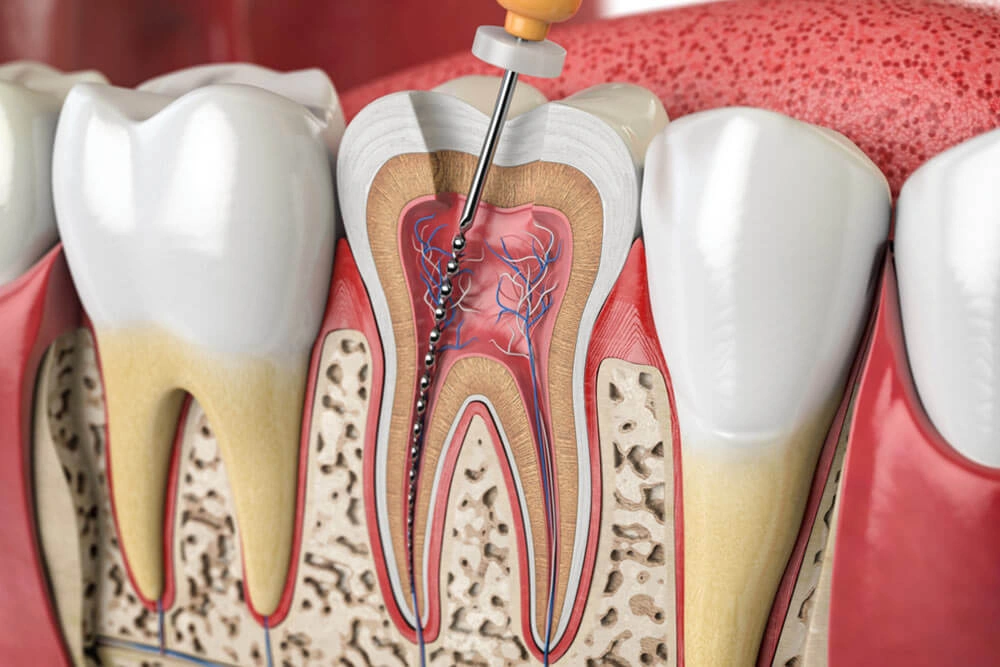
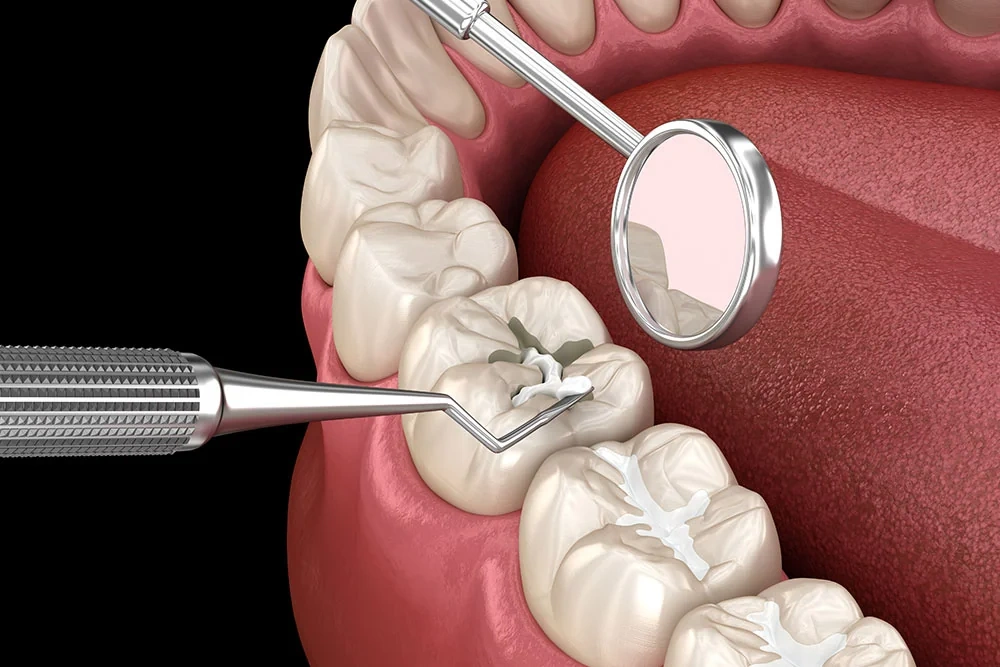
A root canal is not a villain serenaded by fright; it is a hero in disguise—a procedure aimed at saving a tooth weighed down by infection or decay. When the pulp of a tooth becomes infected or inflamed, often due to deep decay, cracks, or trauma, a root canal becomes the pathway to revival. Yet, many associate this treatment with pain, perhaps because of stories they've heard or misperceptions etched into popular culture.
Understanding the process reveals a different story—one of precision, care, and modern comfort. Advances in dental technology and anesthesia have transformed the experience, making it less daunting than ever before. But amidst these facts, the question still lingers: Do root canals hurt?
To compare a root canal’s discomfort with other dental treatments is to explore a spectrum of sensations—twinges, pressure, and moments of sensitivity. However, what truly distinguishes root canal therapy is the numbing power of local anesthesia. With skilled application, many patients report feeling little more than a gentle pressure or a mild sensation—similar to the faint touch of a brush or a whisper of air.
It’s important to recognize that the discomfort often associated with dental visits stems from untreated problems—decay, infection, or inflammation—rather than the procedure itself. Addressing these issues with a focus on patient comfort ensures a smoother experience, easing fears and fostering trust.
Today’s dentistry employs cutting-edge tools and techniques that prioritize patient comfort. Techniques like using ultra-fine files, gentle anesthesia, and even sedation options help to create a serene environment. Additionally, innovations such as digital x-rays and 3D imaging allow precise targeting of the problem, reducing procedure time and minimizing pain.
Furthermore, dental professionals often utilize soothing techniques—warmth, distraction, and clear communication—to help patients feel at ease. The goal is to dispel the shadow of fear and replace it with confidence and calm.
Absolutely. Dental anxiety can heighten perception of discomfort, making an otherwise manageable procedure seem overwhelming. This is where compassionate care and open dialogue play crucial roles. Expressing fears to your dentist can lead to tailored approaches—such as sedation or calming strategies—that make the experience more comfortable.
Many patients find that their fears dissipate once they understand the process and see how gentle and precise dental technology has become. Comfort is as much about mental reassurance as it is about physical techniques.
While the procedure is designed to alleviate pain from infection or decay, some patients experience mild discomfort during healing. If pain persists or intensifies after a root canal, it could indicate complications, such as infection or incomplete removal of infected tissue. In such cases, consulting your dentist is the right step.
Monitoring symptoms, maintaining good oral hygiene, and attending follow-up appointments help ensure a smooth recovery. Remember, the true purpose of the root canal is to eliminate pain, not to cause it.
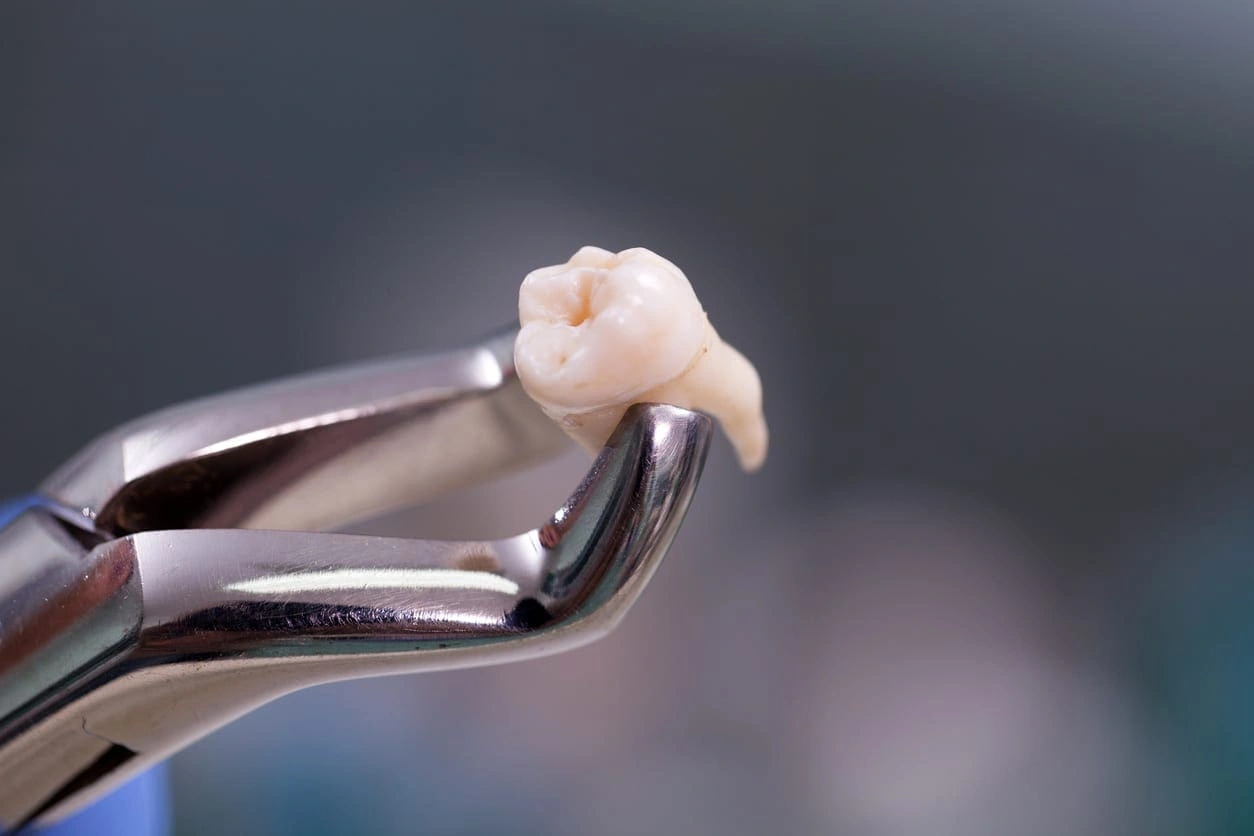
For some dental conditions, alternatives like extraction might seem appealing. However, removing a tooth often leads to other complications—shifting teeth, bite issues, and the need for prosthetics. Modern dentistry favors saving teeth whenever possible, and root canals are a key part of that philosophy.
If fear persists, discussing sedation options or comprehensive pain management strategies with your dentist can make the process more approachable. Your comfort and well-being remain paramount.
Preparation begins with open communication with your dentist. Share your fears, medical history, and any concerns. Prioritize good oral hygiene leading up to the appointment to reduce bacteria and inflammation.
Eating a light meal before, wearing comfortable clothing, and arriving relaxed can make a difference. During the procedure, trust your dental team to guide you through steps designed for comfort. The key is to approach the treatment with a calm mind and a readiness to heal.
The procedure typically involves numbing the area thoroughly, so you feel little more than pressure and awareness of the work being done. Post-treatment, some patients may experience mild soreness or sensitivity, akin to a bruise. Using prescribed or recommended over-the-counter remedies usually alleviates these symptoms quickly.
Proper follow-up, oral hygiene, and avoiding hard or sticky foods during healing support a seamless recovery, restoring not just the health of your tooth but your peace of mind as well.
Yes. Addressing infected or damaged pulp through root canal therapy stops the pain cycle at its source. It prevents the spread of infection, preserves the natural tooth, and helps maintain overall oral health. By confronting the cause directly, you avoid more invasive procedures in the future and enjoy a healthier, pain-free smile.
Expertise and compassion go hand-in-hand at South Surrey Dental. Our team specializes in providing pain-conscious, patient-centered root canal treatments to ensure you feel safe and cared for every step of the way. If you're apprehensive about the process, our experienced professionals are ready to guide you with reassurance and modern techniques available in Panorama Ridge.
Learn more about our services by visiting our Panorama Ridge dental services.
Absolutely. Beyond relieving pain, root canal therapy helps prevent the spread of infection, which can impact other parts of your body. Maintaining a healthy oral environment supports your confidence, speech, and nutrition, empowering you to face life with a bright, pain-free smile.
- Myth: Root canals are terribly painful.
Truth: Modern techniques make the experience comfortable and pain-free. - Myth: Getting a root canal causes illness.
Truth: It's a safe procedure designed to eliminate infection and promote healing. - Myth: Extracting a tooth is better than saving it.
Truth: Saving your natural tooth through root canal is often preferable for long-term oral health.
Adherence to your dentist’s instructions, good oral hygiene, and regular check-ups ensure your treated tooth remains healthy and pain-free. Avoiding hard foods, maintaining clean habits, and attending follow-up visits complement the treatment, turning the root canal journey into a story of healing and resilience.
Future innovations promise even less discomfort through laser-assisted procedures, improved anesthetic techniques, and minimally invasive approaches. As technology advances, the myth that do root canals hurt continues to fade, replaced by stories of comfort, efficiency, and renewed smiles.
Education, trust, and communication are powerful tools. Visiting a friendly, experienced dentist who explains each step, addresses concerns, and offers sedation options can turn anxiety into confidence. Remember, facing the fear often leads to the relief of alleviating the pain that has driven your worry in the first place.
If you're considering a root canal and wonder about the pain involved, know that modern dentistry prioritizes your comfort, aiming to transform apprehension into assurance. Your journey to dental health, free of dread, begins with understanding and compassionate care.
At South Surrey Dental, we are committed to providing gentle, effective, and personalized dental care. For in-depth insights on various dental procedures, including the role of specialists in gum infections and the latest in dental implant technology, explore our comprehensive resources and book a consultation today.
- Does a root canal procedure hurt?
Most patients experience only minor discomfort, thanks to effective anesthesia and modern techniques. Pain beyond mild soreness can be addressed promptly by your dentist. - How long does a root canal take?
Typically, a root canal procedure can be completed within one to two sessions, depending on the tooth’s complexity. - Is there any recovery time after a root canal?
While many patients return to normal activities immediately, some experience mild sensitivity for a few days, which can be managed with over-the-counter remedies. - Can I eat after a root canal?
It’s advisable to wait until the numbness wears off and to choose soft foods during healing. - What are the risks of a root canal?
When performed by experienced professionals, risks are minimal. Potential issues include infection or incomplete removal of infected tissue, which can be promptly addressed.
With knowledge as your shield and a trusted dentist as your guide, the myth that do root canals hurt often transforms into a story of relief and renewal. Embrace the journey toward health—your smile’s future depends on it.