
Do I Need an Oral Surgeon for a Tooth Extraction? FAQs
Do I Need an Oral Surgeon for a Tooth Extraction? Unraveling the Myths and Realities
Many patients face the daunting question: Do I need an oral surgeon for a tooth extraction? The answer isn’t always straightforward, and misconceptions can lead to unnecessary anxiety or choosing the wrong dental professional for the job. At South Surrey Dental, we believe that informed patients make the best decisions about their dental health. Today, we’ll navigate through the complexities of tooth extractions, shedding light on when an oral surgeon is essential, and when a general dentist can comfortably handle the procedure.
Why Do People Wonder If They Need an Oral Surgeon for a Tooth Extraction?
The term oral surgeon often conjures images of complex procedures involving wisdom teeth, impacted teeth, or severe dental trauma. While oral surgeons are highly trained specialists in surgical procedures involving the mouth, jaw, and facial structures, not every tooth extraction requires their services. However, misconceptions persist, leaving many patients unsure about the right choice.
This uncertainty affects decision-making, scheduling, and even post-operative expectations. So, the core question remains: Do I need an oral surgeon for a tooth extraction? The answer depends on several factors that we’ll explore next.
Generally, complex extractions—such as impacted wisdom teeth, severely crooked or misaligned teeth, or teeth affected by pathology—often necessitate the expertise of an oral surgeon. Impacted wisdom teeth, for example, are frequently buried deep within the jawbone, requiring anesthesia, surgical incisions, and careful removal techniques mastered by specialists.
Other scenarios include:
- Teeth with roots that are difficult to extract or fractured
- Teeth lodged in dense jawbone or with abnormal root structure
- Extractions following significant trauma involving facial bones
- Patients with certain medical conditions or medications affecting healing or bone integration
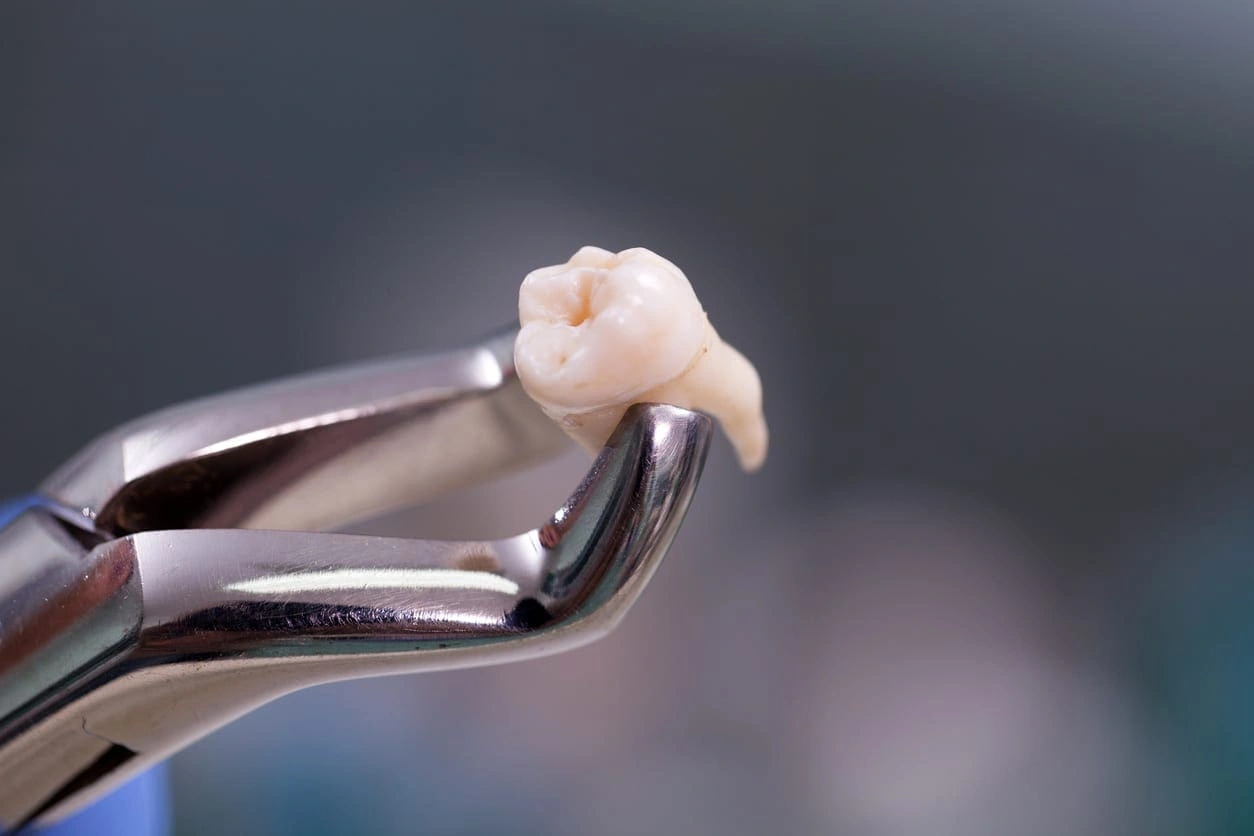
Absolutely. For routine extractions—such as removing a decayed or broken tooth that is easily accessible—your general dentist is fully qualified to perform the procedure safely and effectively. These procedures typically involve minimal surgical intervention, local anesthesia, and prompt healing.
At South Surrey Dental, our experienced general dentists regularly perform straightforward tooth extractions. If you're uncertain about whether your situation qualifies as simple or complex, scheduling a consultation is the best course of action. We can evaluate your condition and advise whether an extraction can be performed in-office or if a specialist referral is needed.
Signs that your tooth extraction may be complex include:
- Impacted or semi-impacted third molars (wisdom teeth)
- Teeth with long or curved roots
- Previous dental surgeries affecting the area
- Infections or swelling near the site
- Significant decay or damage extending below the gum line
- Medical conditions like osteoporosis or immunodeficiencies
If any of these apply to you, consulting with an emergency dentist in Surrey BC or a specialist can ensure that your procedure is handled with the highest expertise.
Choosing an oral surgeon offers several advantages, particularly in complex cases. They bring surgical precision, advanced anesthesia options, and extensive training in managing complications. This expertise results in:
- Reduced risk of nerve damage or damaging surrounding tissues
- Minimized post-operative pain and swelling
- Expert management of difficult or impacted teeth
- Proper handling of unique anatomical challenges
For those requiring wisdom tooth removal, especially when impaction or proximity to nerves is a concern, consulting with an oral surgeon near me ensures optimal care and peace of mind.
Absolutely. Whether you’re scheduled for a simple extraction or suspect a more complex situation, a pre-procedure consultation helps clarify your options. During this appointment, your dentist or oral surgeon will assess your dental and medical history, perform imaging studies like X-rays or panoramic scans, and discuss anesthesia and pain management options.
This comprehensive approach ensures you’re well-informed and prepared, leading to a smoother recovery process. If you need specialized care, your dentist can facilitate a referral to an oral surgeon specialized in complex extractions.
Yes. Conditions such as bleeding disorders, nerve impairments, or previous facial surgeries may complicate a standard extraction. In these cases, an oral surgeon’s advanced training becomes invaluable. Similarly, if your dental issue involves jaw fractures or cyst removal, surgery performed by an oral surgeon guarantees safety and precision.
Individuals on certain medications, like blood thinners, should inform their dentist or surgeon beforehand. This information helps determine the best approach, possibly involving coordination with your healthcare provider.
When it comes to tooth extractions, anesthesia options vary based on complexity, patient preference, and medical history. General anesthesia or IV sedation are typically administered in more complex cases or when anxiety is a concern, often by an oral surgeon. Local anesthesia alone may suffice for straightforward extractions.
Discuss your comfort needs with your dental professional beforehand. Rest assured, modern techniques prioritize patient safety and comfort, ensuring a hassle-free recovery experience.
The post-operative phase is critical to healing. After a complex extraction, especially one performed by an oral surgeon, you might need specific instructions:
- Managing pain and swelling with prescribed medications
- Maintaining oral hygiene to prevent infection
- Avoiding strenuous activity and certain foods
- Attending follow-up appointments for monitoring healing
Understanding the care requirements helps prevent complications and supports a swift recovery. Your dental team will guide you through every step, whether the procedure was minor or involved advanced surgical interventions.
Prevention is always better than treatment. Regular dental checkups, timely restorations, and good oral hygiene habits significantly reduce the chance of needing complex extractions. Visiting your dentist regularly can catch problems early—like cavities or gum disease—that could escalate into more invasive procedures.
If you're seeking a trusted dental provider for routine care or specialized treatments, explore our range of services, including pediatric dentistry and Invisalign, to maintain optimal oral health. For instance, our [best pediatric dentist in Fleetwood BC](https://southsurreydentistry.com/post/best-pediatric-dentist-fleetwood-bc) offers expert care for young patients, emphasizing preventive strategies.
If you experience severe pain, swelling, bleeding, or signs of infection following an extraction, seek urgent care. Prompt treatment can prevent complications and ensure proper healing. Our [emergency dentist in Surrey BC](https://southsurreydentistry.com/post/emergency-dentist-surrey-bc) is ready to assist you promptly, providing relief and expert care in urgent situations.
To summarize, the necessity of an oral surgeon hinges on the complexity of your case. For routine, uncomplicated extractions, your trusted general dentist at South Surrey Dental is well-equipped to handle the procedure safely. However, for impacted, severely decayed, or surgically challenging cases, consulting with an oral surgeon guarantees expert care, minimizing risks and promoting optimal recovery.
By understanding these distinctions and seeking professional advice, you ensure the best outcomes for your dental health.
Is a tooth extraction performed by a general dentist safe?
Yes, for straightforward cases, general dentists are trained to perform safe and effective tooth extractions. They follow strict protocols to ensure patient safety and comfort.
What symptoms indicate I should see an oral surgeon?
If your X-rays reveal impacted wisdom teeth, or if you experience severe pain, swelling, or complications from a prior extraction, consulting an oral surgeon is advisable for specialized care.
How long does recovery take after a complex extraction?
Recovery can vary depending on the complexity, but typically, initial healing occurs within a week, with complete healing taking a few weeks. Your dentist or surgeon will provide specific post-op instructions to facilitate healing.
Can I prevent the need for surgical extraction?
Yes. Regular dental visits, proper oral hygiene, and timely treatments can prevent conditions that necessitate surgical interventions.
Where can I find expert dental care near me?
South Surrey Dental offers comprehensive dental services, including extractions and other restorative procedures. Schedule a consultation today to discuss your needs and receive personalized guidance.
Remember, being proactive about your oral health and seeking the right professional for your unique situation is key to maintaining a healthy, confident smile.