
Can I Get Dental Work Done While Pregnant? Your Guide
Can I Get Dental Work Done While Pregnant? Essential Guidelines for Expecting Mothers
Expecting a baby is an exciting journey filled with joy and anticipation. Amidst this beautiful period, maintaining your overall health, including your oral health, becomes especially important. One common concern among pregnant women is, “Can I get dental work done while pregnant?” Understanding the safety, timing, and necessary precautions can help you make informed decisions and keep your smile healthy throughout your pregnancy.
Pregnancy induces hormonal changes that can increase the risk of gum disease, cavities, and other oral health issues. These conditions can sometimes affect your general health and may even influence pregnancy outcomes, such as preterm birth and low birth weight. Therefore, maintaining good dental hygiene and addressing oral health concerns promptly is essential. Regular visits to your dentist provide a crucial opportunity for preventive care and early intervention.
Yes, in most cases, dental procedures during pregnancy are safe when appropriate precautions are taken. The second trimester, spanning weeks 13 to 26, is generally recognized as the ideal period for elective dental treatments. During this time, the risk of complications is lower, and your body is better able to handle routine procedures. That said, emergency dental issues can arise at any stage of pregnancy, and delaying necessary treatment may lead to more significant health concerns.
Most routine dental treatments are safe for pregnant women, including:
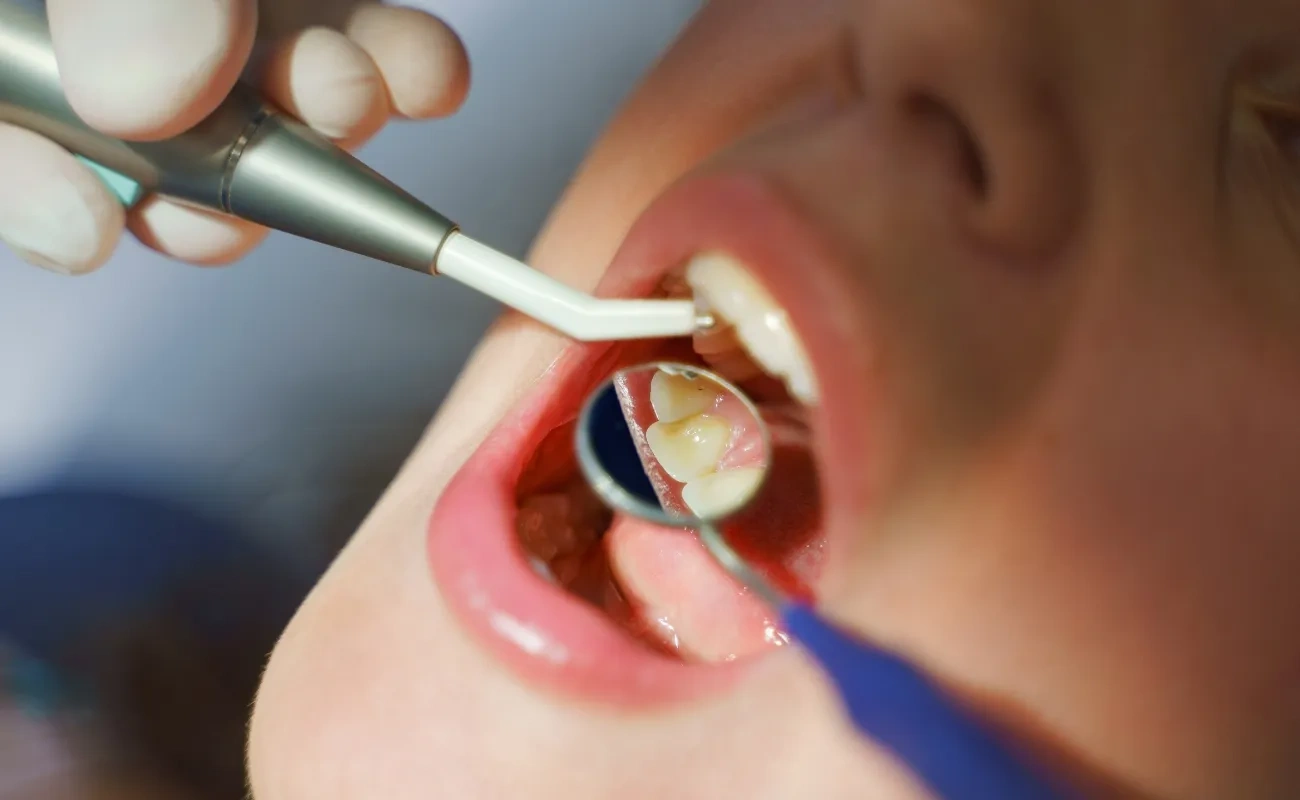
- Dental cleanings and prophylaxis
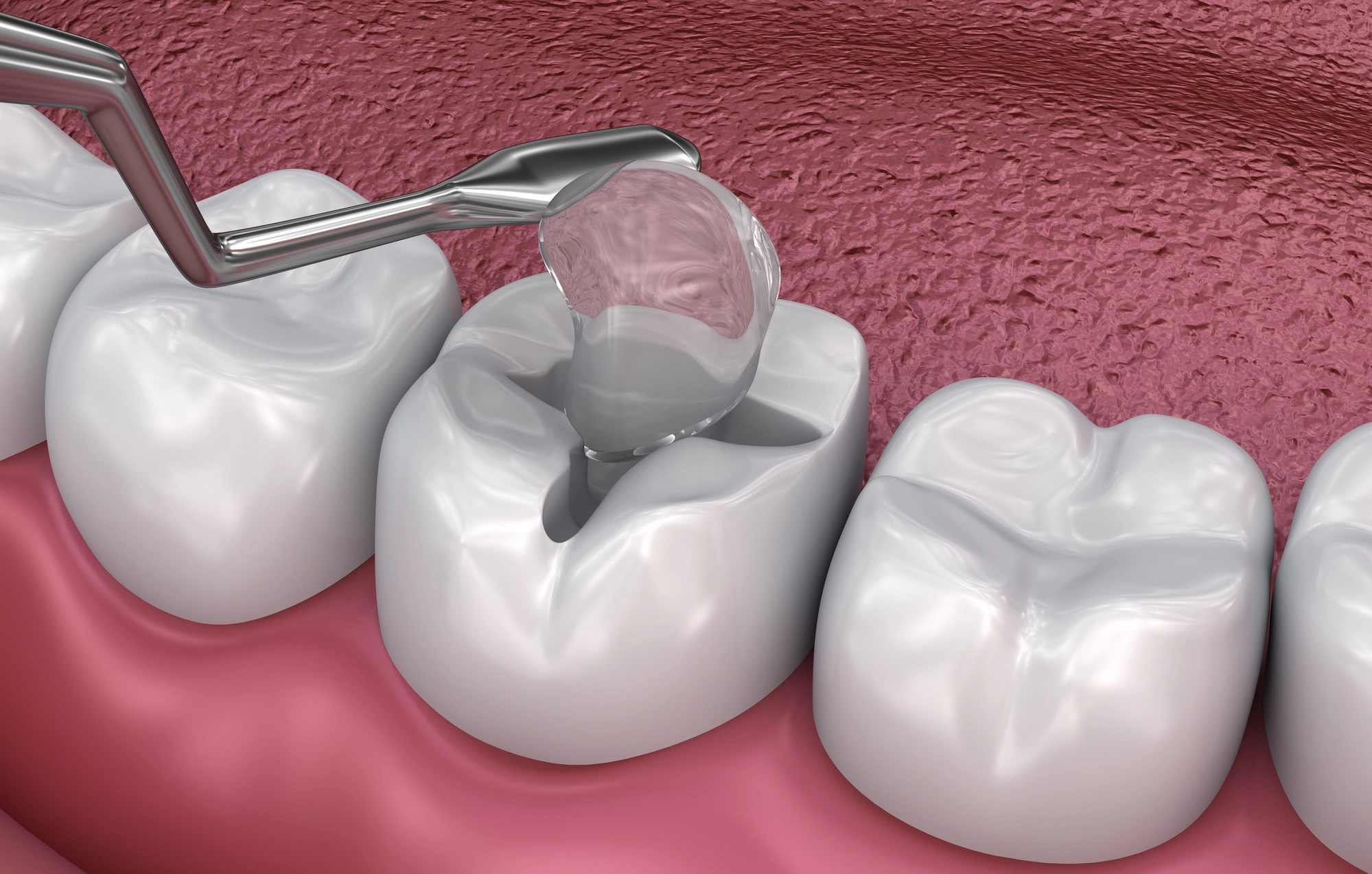
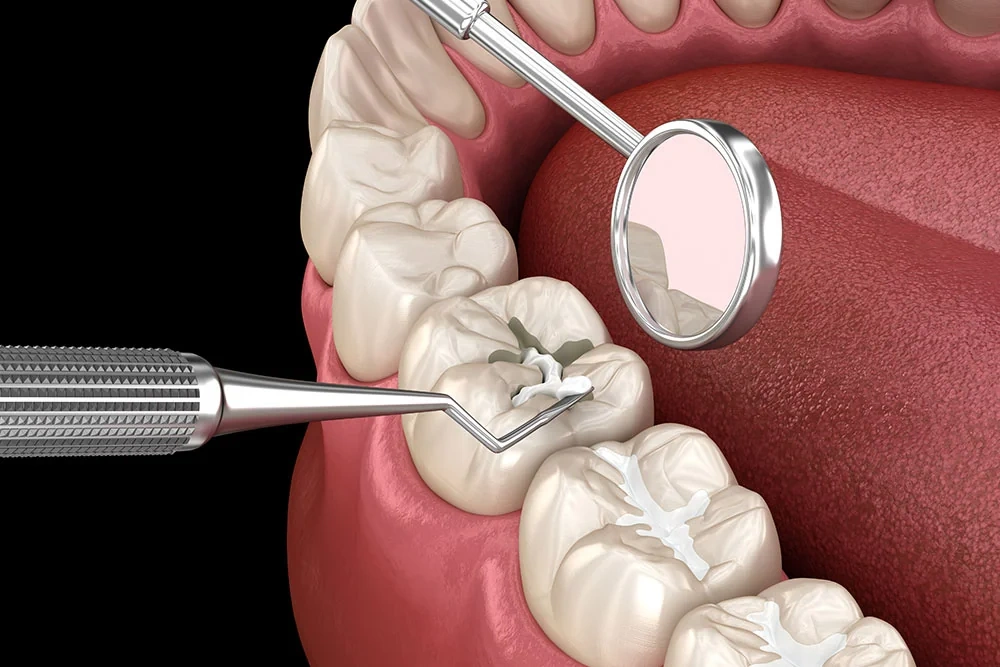
- Fillings using composite or amalgam materials
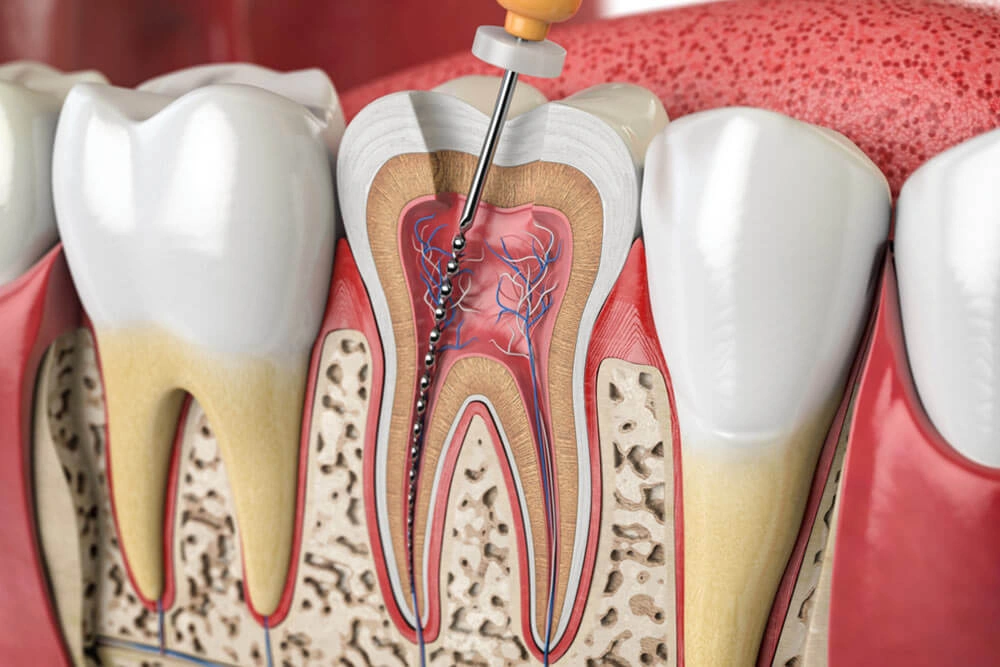
- Root canals
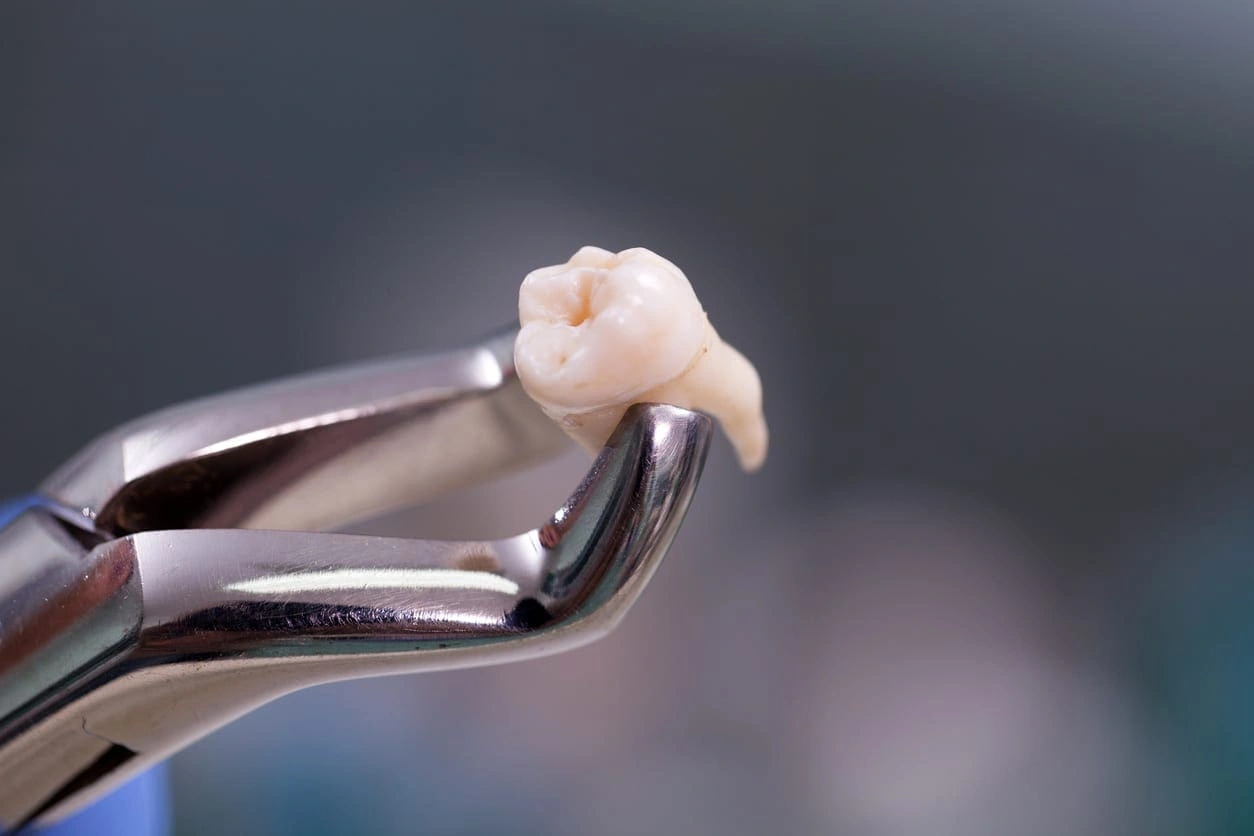
- Tooth extractions (when necessary)
- Periodontal therapy to treat gum disease
However, certain procedures, such as X-rays, should be approached with caution. If an X-ray is necessary, your dentist will use lead aprons and digital imaging techniques to minimize radiation exposure.
To ensure safety, both you and your dental care provider should adhere to specific guidelines:
- Timing: Schedule non-urgent procedures during the second trimester.
- Anesthesia: Use local anesthetics like lidocaine that are safe during pregnancy.
- Medications: Avoid certain antibiotics and pain relievers unless prescribed by your healthcare provider.
- X-rays: Minimize exposure with protective gear and digital imaging when necessary.
- Comfort: Keep yourself comfortable and inform your dentist of any pregnancy symptoms or concerns.
When performed with proper precautions, dental treatments do not adversely affect your pregnancy. In fact, untreated dental issues may pose risks such as infection, which could potentially impact fetal health. For example, gum disease has been linked to preterm labor. Therefore, timely and safe dental care is vital during pregnancy.
While most treatments are safe, certain procedures are best deferred until after childbirth unless urgently needed. These include:
- Cosmetic treatments like teeth whitening or veneers
- Invasive procedures requiring sedation or general anesthesia
- Elective orthodontic adjustments
If you have concerns or specific treatment needs, consult your dentist and obstetrician to develop a personalized plan that prioritizes safety.
Prevention is key. Incorporate these habits into your pregnancy routine:
- Brush twice daily with fluoride toothpaste
- Floss regularly to remove plaque between teeth
- Use an antimicrobial mouthwash recommended by your dentist
- Eat a balanced diet rich in vitamins and minerals
- Avoid sugary snacks and beverages that promote decay
- Stay hydrated to promote saliva production, which naturally fights bacteria
Regular dental checkups are essential—even if you don’t have symptoms. For comprehensive care, consider visiting trusted local providers like [South Surrey Dental](https://southsurreydentistry.com/post/family-dentist-douglas-bc) for expert guidance tailored to pregnant patients.
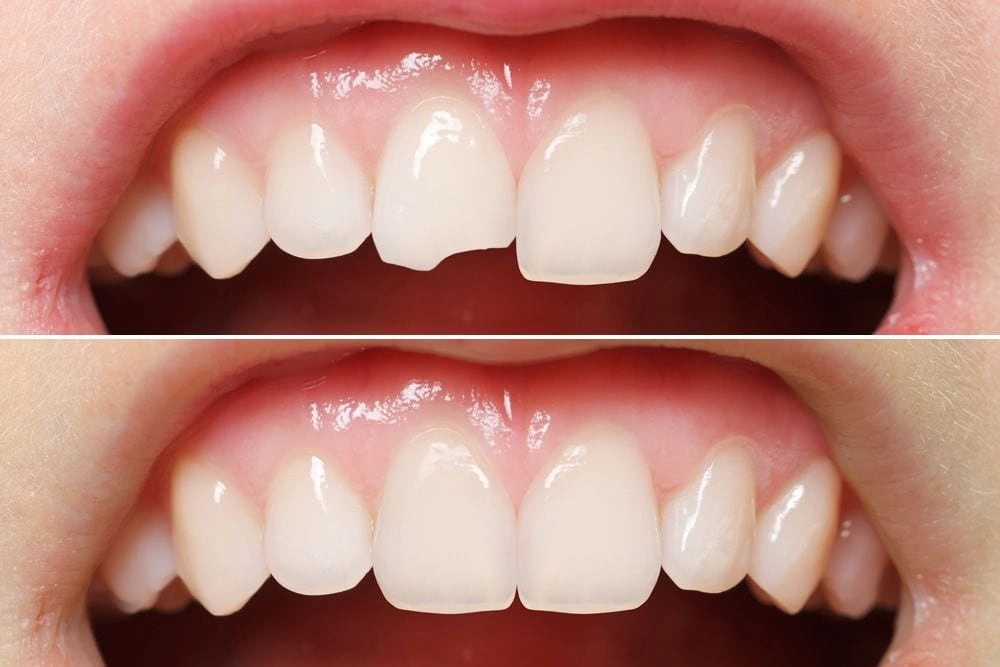
If you experience a dental emergency, such as a broken tooth, severe toothache, or abscess, seek prompt care. Many emergencies can be managed safely during pregnancy with appropriate modifications. Contact your dental provider immediately, and they will guide you through careful treatment options. When in doubt, visiting an emergency dental clinic like [Emergency Cloverdale BC](https://southsurreydentistry.com/post/emergency-cloverdale-bc) can ensure quick, safe relief.
Selecting a dental practice experienced in treating pregnant women can make a significant difference. Look for clinics that prioritize patient safety, have modern equipment, and employ staff familiar with pregnancy-specific concerns. For example, the [Best Dental Office Ocean Park BC](https://southsurreydentistry.com/post/best-dental-office-ocean-park-bc) offers specialized care tailored to expecting mothers, emphasizing comfort and safety at every step.
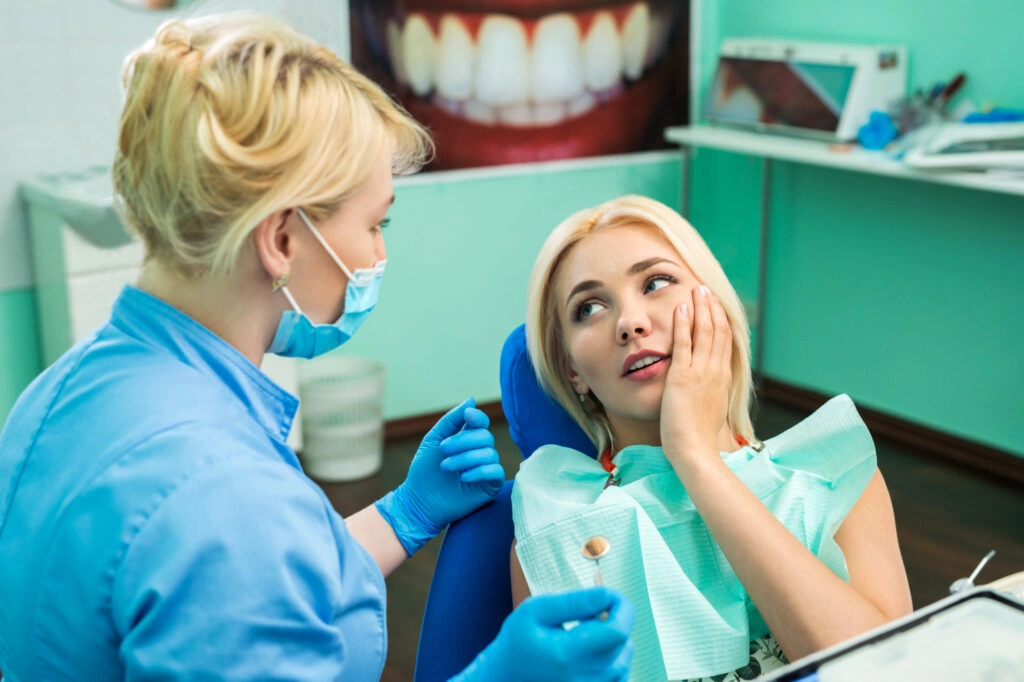
Open communication is crucial. Inform your dental team about your pregnancy, any medications you’re taking, and any symptoms or complications. Discuss the timing and necessity of procedures and listen to their recommendations. Your healthcare providers will work together to ensure the safest possible outcome for both you and your baby.
In some cases, minimally invasive or alternative approaches may be appropriate. For instance, using bamboo toothbrushes can be an eco-friendly choice that maintains oral hygiene effectively. Find out more about [do bamboo toothbrushes work](https://southsurreydentistry.com/post/do-bamboo-toothbrushes-work) to explore options that align with your values while ensuring dental health.
Frequently Asked Questions (FAQs)
While elective procedures are generally avoided during the first trimester to reduce any potential risk to the developing fetus, urgent or emergency treatments should not be delayed. Always consult your dentist and obstetrician to determine the best course of action based on your specific situation.
Yes, local anesthetics such as lidocaine are considered safe when administered appropriately. Your dentist will use the lowest effective dose and protective measures to ensure safety.
It is advisable to have a dental checkup at least once during pregnancy, preferably in the second trimester. If you experience symptoms like pain, bleeding, or swelling, consult your dentist immediately.
Focus on eating nutrient-rich foods, such as leafy greens, dairy products, nuts, and lean proteins. Limit sugary snacks and drinks, and increase intake of water to promote saliva flow, which naturally cleanses your mouth.
Conclusion: Navigating Dental Care While Expecting with Confidence
Understanding “Can I get dental work done while pregnant?” is fundamental to maintaining both oral and overall health during this vital time. With proper timing, precautions, and communication with your dental team, most dental procedures can be safely performed. Prioritizing regular checkups, preventive care, and immediate attention to dental emergencies ensures your smile remains vibrant and healthy as you prepare to welcome your new family member.
Remember, your oral health is a crucial component of your pregnancy journey. For personalized guidance and expert care, trust your local professionals at South Surrey Dental. Your well-being and that of your baby depend on it.