Best Materials for Dental Impression Trays: Top Choices Guide
What Are Dental Impression Trays and Why Are They Important?
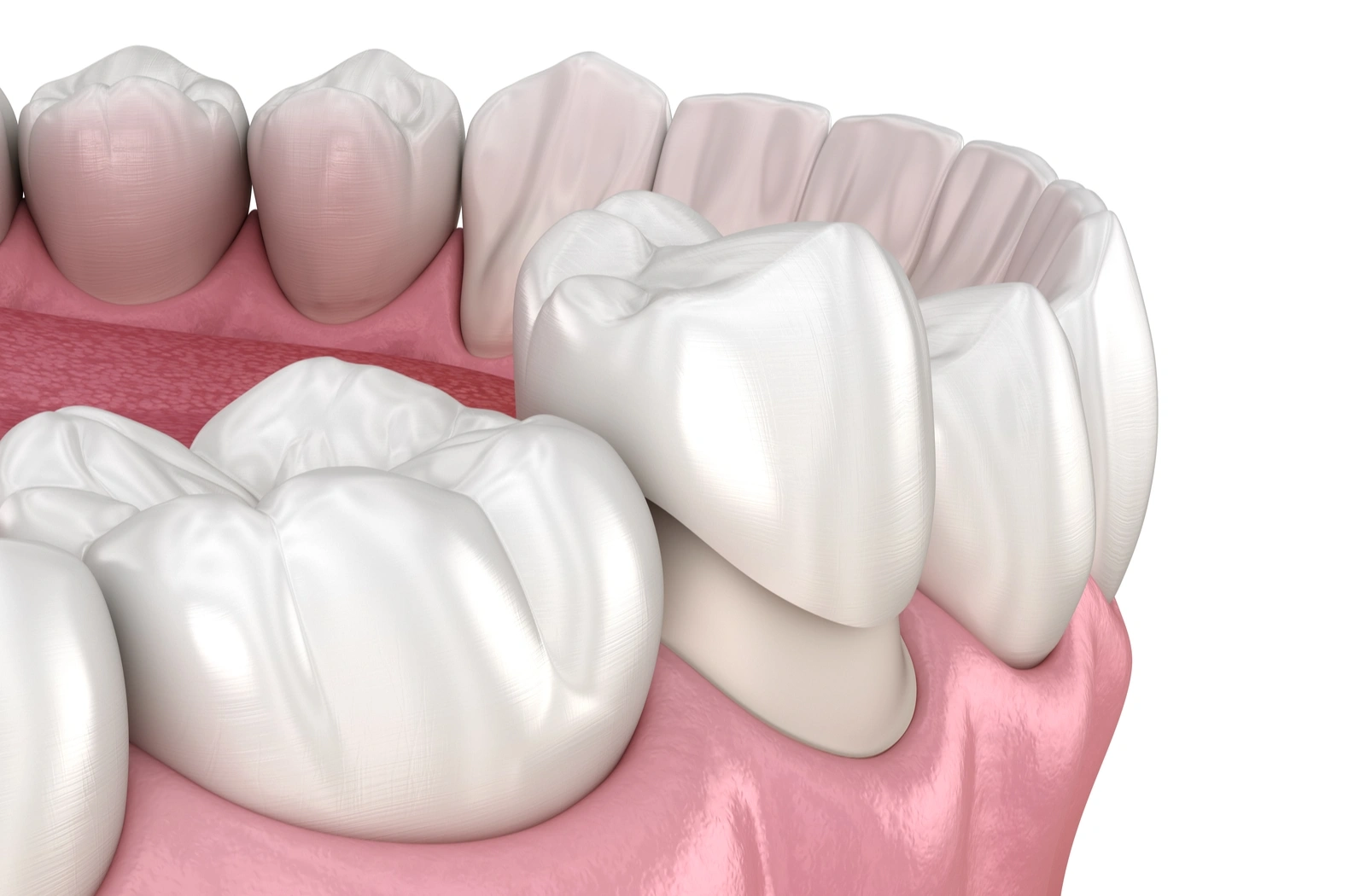
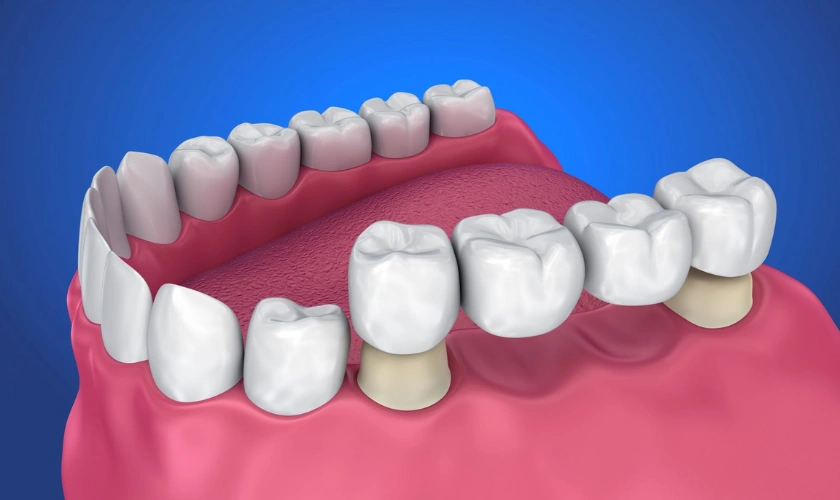
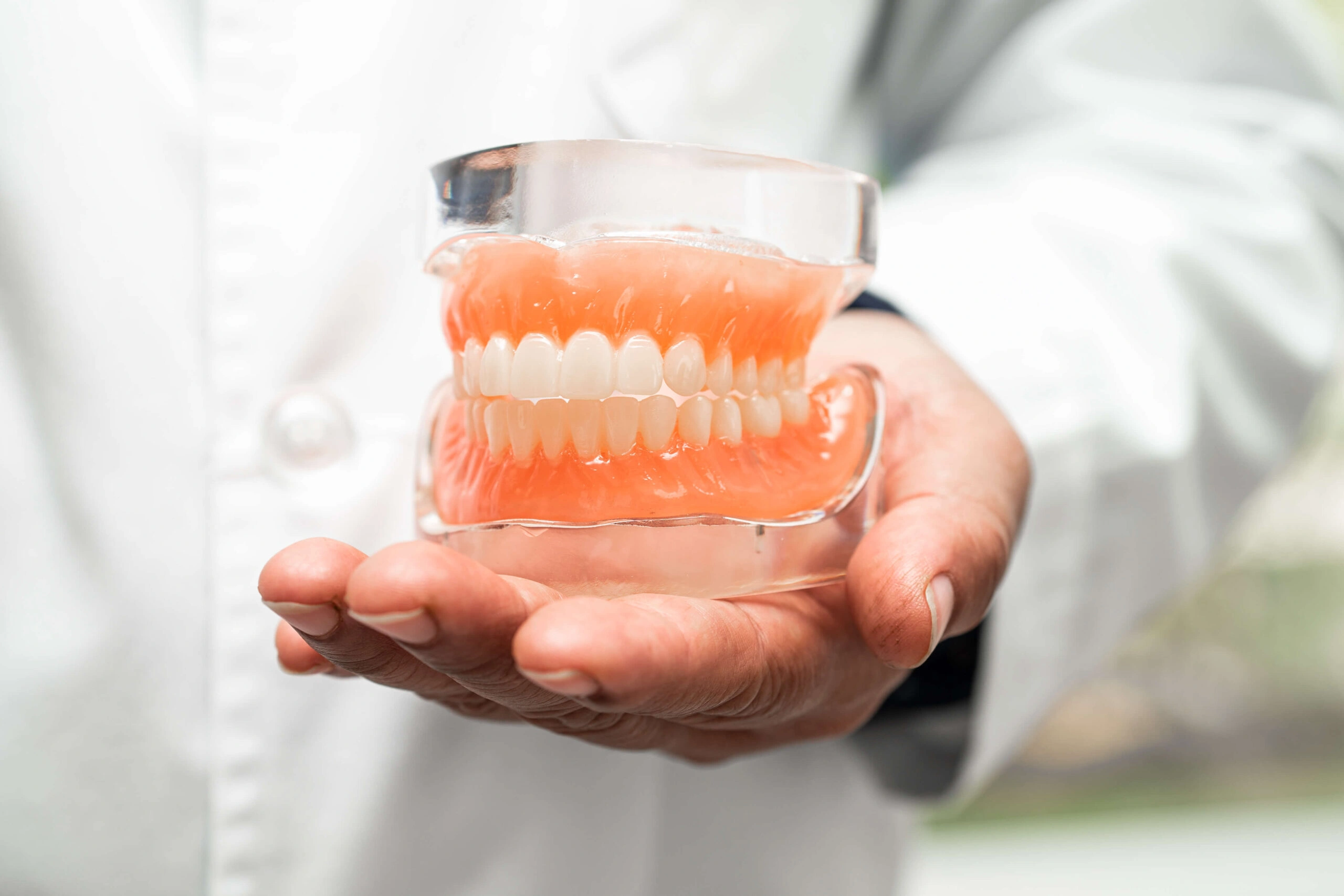
Dental impression trays are essential tools used by dental professionals to create accurate molds of a patient’s teeth and surrounding oral structures. These molds are fundamental for a variety of dental procedures, including crowns, bridges, dentures, orthodontics, and implants. The quality of an impression directly influences the fit and function of the final dental prosthesis.
Choosing the appropriate material for the impression tray ensures a precise, comfortable, and durable mold. The selection depends on multiple factors such as patient comfort, impression accuracy, ease of use, and cost-effectiveness.
What Are the Most Common Types of Materials Used for Dental Impression Trays?
The best materials for dental impression trays typically include plastic, metal, and acrylic. Each material offers unique advantages and potential drawbacks, making them suitable for different clinical situations.
- Plastic: Lightweight, disposable, and cost-effective, plastic trays are popular for their convenience and ease of use.
- Metal: Durable and reusable, metal trays offer superior strength and stability, suitable for impressions requiring high precision.
- Acrylic: Combining flexibility with durability, acrylic trays can be customized for individual patient needs and provide excellent accuracy.
What Are the Advantages and Disadvantages of Using Plastic Impression Trays?
Plastic impression trays are widely used by dental practices due to their affordability and convenience. Here are some key pros and cons:
- Advantages:
- Low cost and disposable, reducing cross-contamination risks
- Available in pre-measured sizes for quick selection
- Lightweight and comfortable for the patient
- Disadvantages:
- Lower rigidity compared to metal trays, which may affect impression accuracy
- Less durable if reused improperly
- Potential for deformation if handled carelessly
For procedures where high precision is essential, plastic trays may need to be supplemented with other materials or used in specific clinical conditions.
What Are the Benefits of Metal Impression Trays in Dental Practices?
Metal trays, often made from stainless steel or other durable alloys, are favored for their reusability and stability. Key benefits include:
- Strength and Rigidity: Metal trays maintain their shape even under pressure, ensuring an accurate impression.
- Longevity: Reusable and durable, metal trays can be sterilized repeatedly, making them cost-effective in the long run.
- Precision: Their rigidity minimizes flexing, which enhances the quality of the impression, especially in complex cases like full-arch impressions.
However, they might be less comfortable for some patients due to their weight, and sterilization protocols must be strictly followed to prevent cross-infection.
Why Is Acrylic a Popular Choice for Custom Impression Trays?
Acrylic impression trays are often customized for individual patients, providing a tailored fit that improves impression accuracy. They offer a middle ground between plastic and metal options, combining flexibility with durability.
- Customizability: Acrylic trays can be molded to the patient's specific anatomy, improving comfort and precision.
- Cost-Effective: When used for multiple impressions, acrylic trays are economical compared to single-use alternatives.
- Compatibility: Acrylic is compatible with various impression materials and can be easily modified if adjustments are needed.
Although more expensive upfront than pre-made plastic trays, their accuracy and comfort benefits often justify the investment, especially for complex cases.
How Do Material Choices Impact Impression Accuracy?
Selecting the best materials for dental impression trays directly affects the fidelity and detail captured in the mold. Less rigid materials like plastic may flex slightly, leading to distortions, while metal trays provide stability necessary for high-precision impressions.
Additionally, the compatibility of tray material with impression media ensures that the tray does not interfere with the detail reproduction. Proper tray material reduces the risk of inaccuracies and remakes, ultimately saving time and resources.
What Are Considerations for Selecting the Right Materials?
Factors influencing the choice of impression tray material include:
- Type of Procedure: Complex restorations may require the stability of metal trays, whereas simple procedures can often use disposable plastic trays.
- Patient Comfort: Lightweight plastic or custom acrylic trays enhance patient experience.
- Reusability and Cost: Metal trays offer long-term savings but require sterilization, while disposable trays are cheaper but generate waste.
- Impression Material Compatibility: Different impression materials interact differently with tray materials; compatibility ensures optimal results.
Always discuss with your dental supplier or technician to select the optimal material based on your specific practice needs.
Are There Innovative Materials or Technologies Emerging for Impression Trays?
Recent advancements include the use of 3D printing technologies to produce highly accurate, custom-designed impression trays. These digitally fabricated trays can offer a perfect fit and reduce turnaround times.
Additionally, new composite materials are being developed to combine the best properties of metals and plastics, aiming for enhanced durability, biocompatibility, and patient comfort.
Can I Use the Same Materials for Other Dental Applications?
Definitely. Understanding the properties of these materials can also be beneficial when considering other dental tools and appliances. For instance, acrylic is commonly used in creating custom mouthguards and provisional restorations, while metal remains a standard for bridges and arch frameworks.
It’s always important to consult with your dental professional for tailored recommendations based on your specific clinical situation.
Where Can I Learn More About Dental Emergencies and Maintaining My Oral Health?
If you are dealing with urgent dental issues, knowing when and how to seek help is crucial. For example, visiting Emergency Dental Care in Crescent Beach or understanding what to do if your filling falls out can prevent further damage.
Frequently Asked Questions (FAQ)
Plastic trays are disposable, lightweight, and cost-effective, but may lack rigidity. Metal trays are durable, reusable, and provide superior stability for precise impressions, especially in complex cases.
Yes, custom acrylic trays are available and molded specifically for your oral cavity, providing better comfort and impression accuracy tailored to your needs. Discuss this option with your dentist to see if it suits your treatment plan.
Consider the complexity of the procedure, patient comfort, reusability, cost, and compatibility with impression materials. Your dental professional can guide you to the most suitable choice based on these factors.
Conclusion: Making Informed Decisions for Optimal Dental Impressions
The selection of the best materials for dental impression trays plays a pivotal role in the success of many dental treatments. Whether opting for the convenience of plastic, the durability of metal, or the custom fit of acrylic, understanding the unique properties and benefits of each material empowers both dental professionals and patients. Staying informed about innovations and considerations ensures that every impression captures the details necessary for high-quality prosthetics and restorations.
For more personalized guidance on dental materials and procedures, contact South Surrey Dental. Our team is dedicated to providing comprehensive dental care with the latest techniques and materials to support your oral health journey.