Dental Sealants: Why They Matter for Kids and Adults
When it comes to preventing cavities, brushing and flossing are essential—but sometimes, even the best habits can’t reach every nook and cranny of your teeth. That’s where dental sealants come in. Sealants can be a smart option for both children and adults looking to add an extra layer of protection against tooth decay. If you’re in South Surrey and curious if dental sealants are right for you or your family, this guide will answer your questions.
What Are Dental Sealants and How Do They Work?
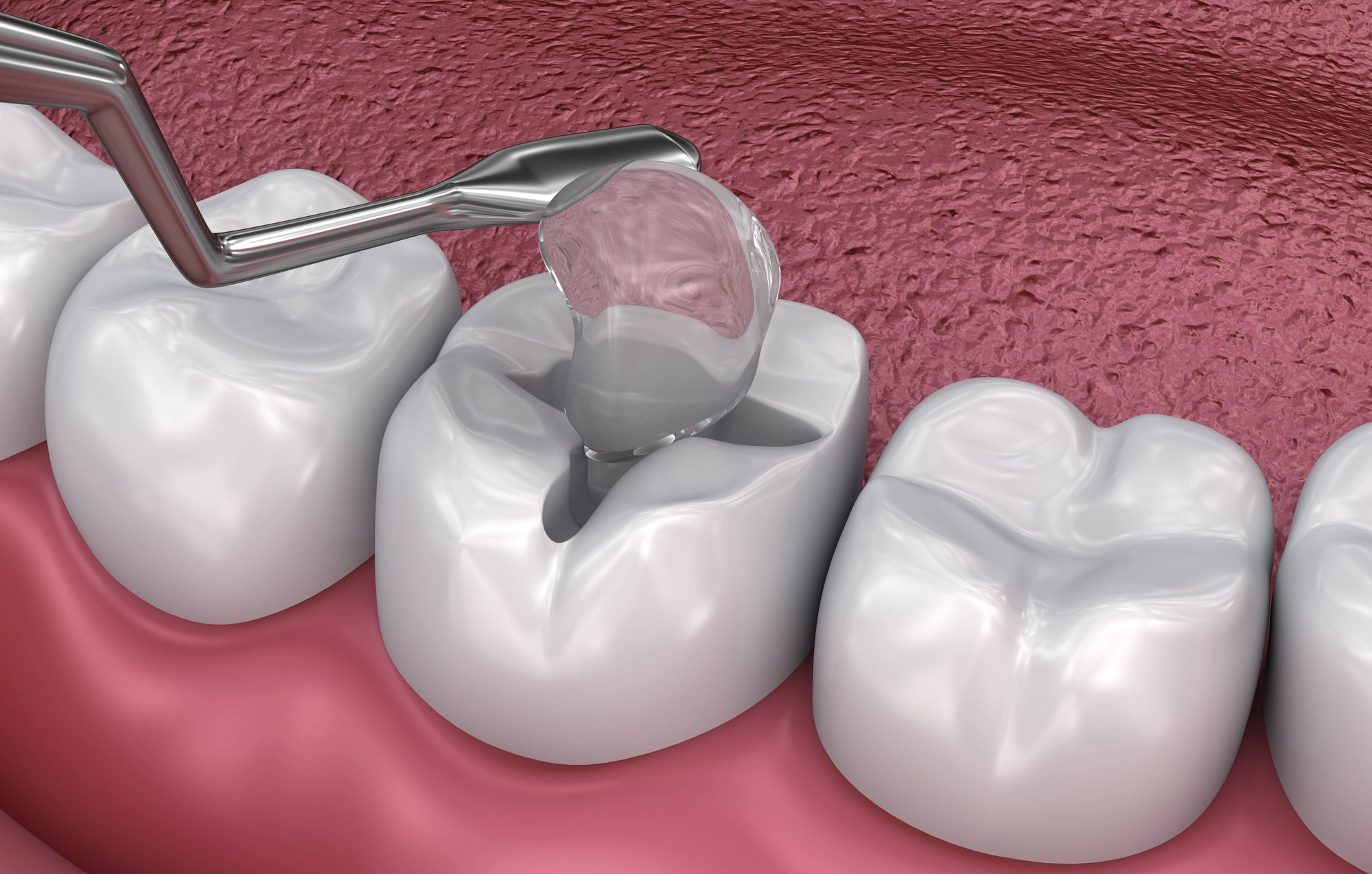
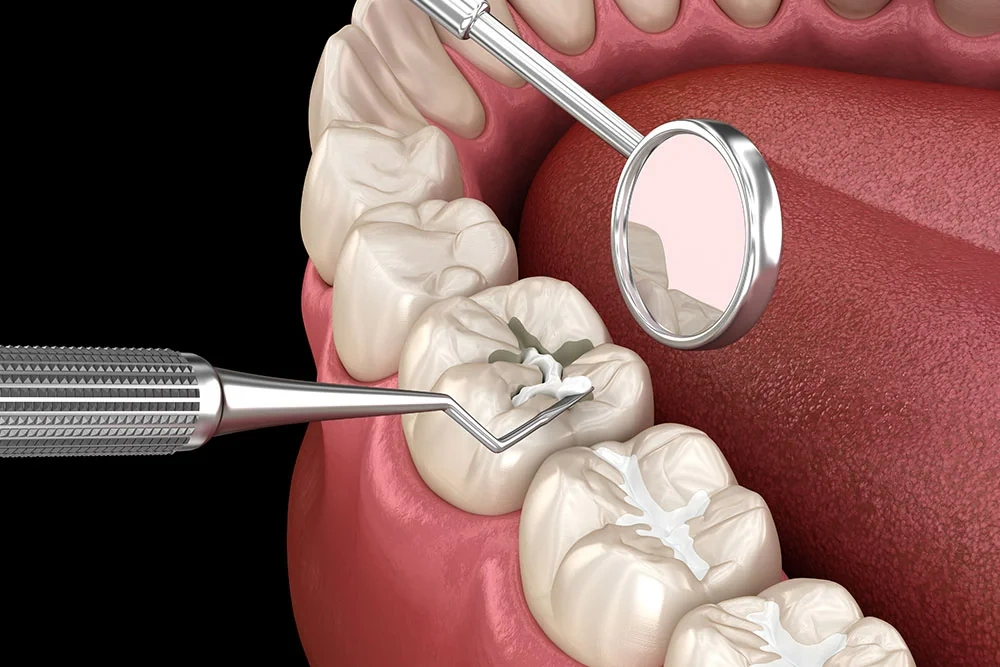
Dental sealants are thin, protective coatings that dentists apply to the chewing surfaces of back teeth—usually the molars and premolars. These areas have grooves and pits that are hard to clean thoroughly, making them vulnerable to cavities. The sealant covers these grooves, creating a barrier that keeps out food particles and bacteria. The process is quick and painless, and the sealant itself is clear or slightly tinted, so it’s not noticeable when you smile.
Who Should Get Dental Sealants?
Sealants are commonly recommended for children, especially after their permanent molars come in (usually around ages 6 and 12). However, adults can benefit too—especially if they have deep grooves in their teeth or a history of cavities. Even if you’re diligent about oral hygiene, some teeth are just more prone to decay. Sealants give those teeth an extra level of defense. In South Surrey, it’s not uncommon for both parents and kids to come in and get sealants done together as a preventative step.
How Are Dental Sealants Applied?
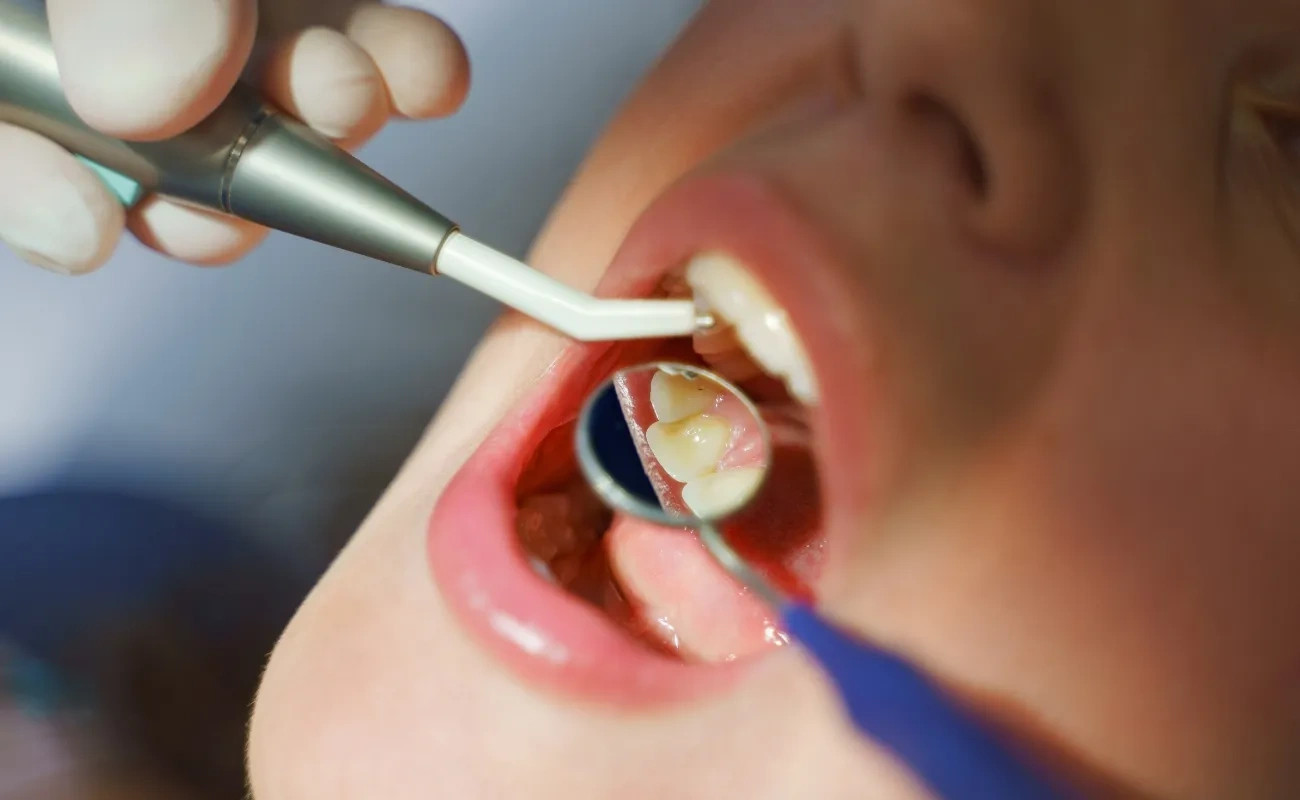
The application of dental sealants is straightforward and doesn’t require any drilling or anesthesia. Here’s what you can expect during a typical visit:
- Cleaning: The tooth is cleaned thoroughly to remove any plaque or food particles.
- Preparation: The dentist dries the tooth and may apply a special solution that helps the sealant bond to the enamel.
- Application: The sealant material is painted onto the tooth’s surface.
- Curing: A special light is used to harden the sealant so it bonds securely.
The whole procedure usually takes just a few minutes per tooth, and you can eat and drink as normal right after.
Are Sealants Safe and Durable?
Dental sealants are considered very safe for both children and adults. The materials used have been tested and widely used for many years. Once applied, sealants can last several years—sometimes up to a decade—before they need to be checked or reapplied. Your dentist will examine them during routine check-ups and let you know if any touch-ups are needed. It’s a low-maintenance way to keep your teeth protected for the long haul.
Can Adults Benefit as Much as Children?
While sealants are most often applied to children’s teeth, adults who don’t have decay or fillings in their molars can also benefit. For adults with deep grooves or a history of frequent cavities, sealants can help prevent future problems and avoid more invasive treatments. If you’re an adult in South Surrey who’s ever had trouble with cavities on your back teeth, it’s worth asking your dentist if sealants could help.
What Are the Alternatives to Dental Sealants?
Sealants are just one tool in the cavity-prevention toolbox. Good brushing and flossing habits, regular dental check-ups, and a healthy diet are all key to keeping teeth healthy. Fluoride treatments can also strengthen enamel and help prevent decay. If a tooth has already developed a cavity, a filling or other restorative treatment will be needed instead of a sealant. For those with very deep grooves, sealants are often the best preventative option, but your dentist will help you decide what makes sense for you or your child.
Frequently Asked Questions
Will sealants make my teeth feel different?
Most people don’t notice any difference in how their teeth feel after sealants are applied. The coating is very thin and quickly becomes unnoticeable when you bite or chew.
Can sealants be applied over small cavities?
Sealants are designed to prevent cavities, not treat them. If a tooth already has a cavity or filling, your dentist will recommend the appropriate restorative treatment. In some cases, sealants can be placed over very early signs of decay to stop further damage, but this is something your dentist will assess on a case-by-case basis.
How often do sealants need to be checked or replaced?
Sealants are checked during regular dental visits. They can last many years, but if they start to wear or chip, your dentist can repair or replace them as needed to keep your teeth protected.
Are there any risks or side effects with dental sealants?
Sealants are generally very safe. Some people may have a minor allergic reaction to the material, but this is rare. Your dentist will review your health history and discuss any concerns before applying them.
If you’re considering dental sealants for yourself or your child, or have questions about preventative dental care, feel free to reach out to South Surrey Dental. We’re always happy to help families in the South Surrey area keep their smiles healthy for years to come.