
Are Water Flossers Better Than String Floss? Discover Now!
Examining Oral Hygiene: Are Water Flossers Better Than String Floss?
In the realm of dental care, the question “Are water flossers better than string floss?” continues to resonate with both dental professionals and everyday consumers. As oral health technology advances, various tools promise superior cleanliness and health outcomes. Understanding the nuances between water flossers and traditional string floss is crucial for making informed choices that promote long-term dental wellness. This comprehensive exploration delves into the science, benefits, practical usage, and considerations to help you determine which method aligns best with your oral health goals.
At their core, water flossers and string floss serve the same fundamental purpose: removing plaque, debris, and food particles from between teeth and along the gumline. However, their mechanisms and user experiences differ significantly.
- String Floss: A thin, flexible filament made of nylon or Teflon, carefully maneuvered between teeth to dislodge plaque physically. It’s been a staple for decades due to its simplicity, affordability, and proven efficacy when used correctly.
- Water Flossers: Also known as oral irrigators, these devices emit a stream of pressurized water to clean between teeth and below the gumline. They are often praised for ease of use and comfort, especially for individuals with sensitive gums, braces, or dental implants.
Both tools can be effective, but their efficacy depends on proper technique and individual circumstances. Traditional string floss is renowned for its ability to physically disrupt plaque buildup, particularly in tight spaces. Several studies suggest that string flossing might have a slight edge in reducing plaque levels when used correctly and consistently.
Water flossers, on the other hand, excel in gently cleansing areas that are hard to reach or tender, such as along braces, crowns, or periodontal pockets. Their pulsating water can reach deeper beneath gums and into crevices that may be challenging with floss alone.
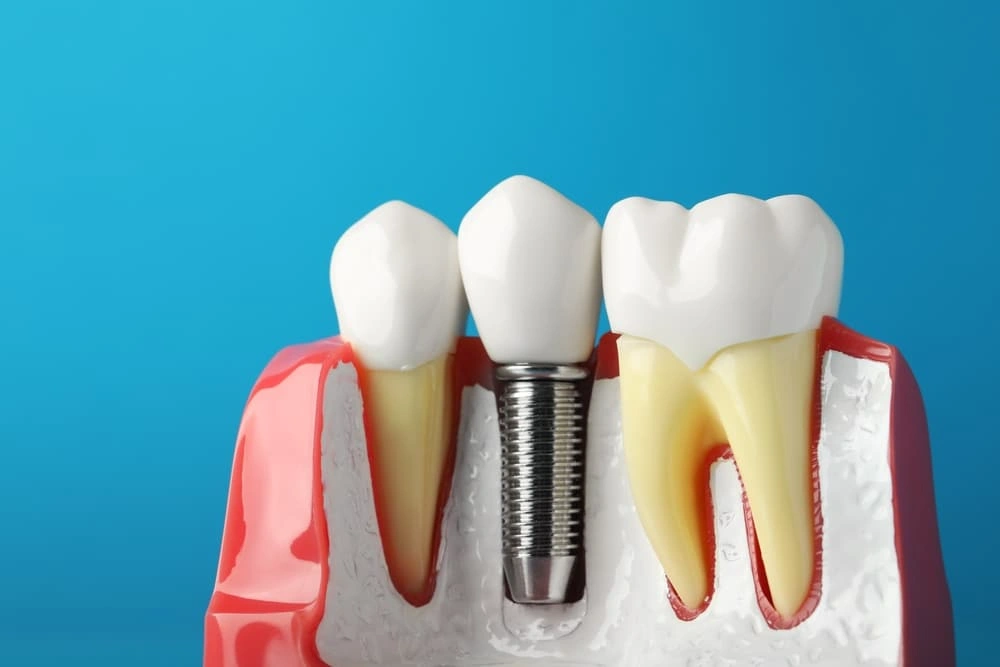
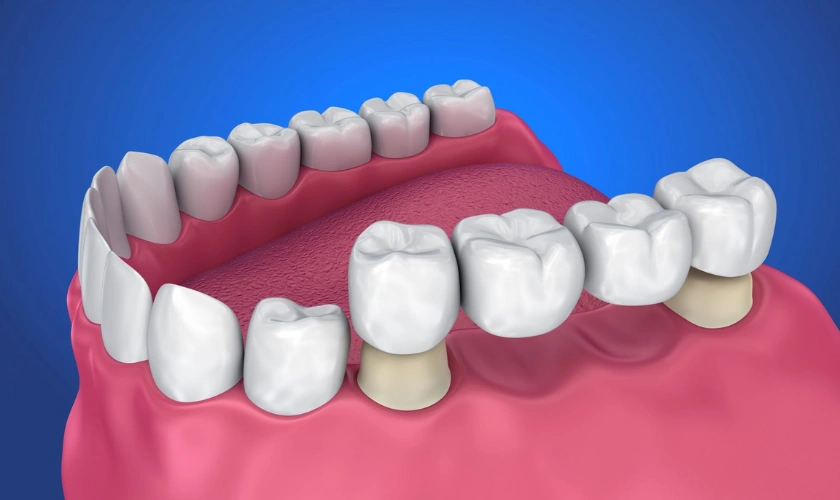
For individuals with braces, bridges, or implants, water flossers generally provide a more comfortable and effective cleaning experience. The gentle jet of water can maneuver around brackets and wires more easily than traditional floss, reducing the risk of damaging these appliances. They also promote better plaque control in periodontal pockets, which is vital for maintaining dental surgery results or implant longevity.
Ease of use is a critical factor influencing compliance. Many users find water flossers more intuitive, especially those with limited manual dexterity or arthritis. With a simple press of a button, water flossers deliver a consistent stream with minimal effort, often reducing frustration associated with string flossing's threading and maneuvering.
String floss requires more manual skill and patience but offers precise control over pressure and placement. Embedding proper technique is vital for maximizing effectiveness and avoiding gum injury or bleeding.
The consensus among dental professionals leans toward using water flossers as an adjunct rather than a complete replacement for traditional floss. While water flossers significantly improve cleaning in hard-to-reach areas and can promote better oral health in special cases, they may not sufficiently remove plaque from tight contacts or filmy buildup without combined use.
Integrating both methods into your routine, along with regular brushing and professional checkups, creates a comprehensive approach to oral health.
Yes. Individuals with periodontal disease, gum sensitivity, or recovering from dental surgeries often benefit from water flossers, which provide a gentle yet effective cleaning method that minimizes irritation. Conversely, those who are disciplined and adept at traditional flossing may prefer the tactile control it offers, especially for removing stubborn plaque.
If you’re unsure which approach suits your needs, consulting a dental professional at South Surrey Dental can help tailor recommendations for your unique circumstances.
The American Dental Association endorses the daily use of either method, emphasizing that consistent oral hygiene practices are key. Many experts suggest that incorporating a water flosser can enhance your routine, especially if used correctly alongside traditional flossing. Ultimately, adherence and technique are more impactful than the specific tool used.
While water flossers typically involve an initial investment, they might save money over time by reducing the need for floss and other dental aids, and potentially decreasing dental treatment costs resulting from plaque buildup. The convenience and effectiveness can also encourage more consistent use, leading to better dental health outcomes.
- Use an appropriate amount of water pressure to avoid gum discomfort.
- Combine water flossing with traditional flossing for comprehensive cleaning.
- Maintain regularity—floss at least once daily.
- Replace water flosser tips periodically as recommended.
- Attend routine dental checkups to monitor and improve your oral hygiene practices.
For tailored advice and professional care, exploring the services offered at South Surrey Dental ensures your dental health journey remains on track.
The answer to “Are water flossers better than string floss?” hinges on personal preferences, specific dental conditions, and lifestyle. Both tools provide significant benefits, and when used correctly, they can synergistically enhance your oral hygiene routine. Water flossers offer accessibility and gentleness, making them ideal for those with dental appliances or sensitivities. String floss remains a reliable choice for removing plaque stubbornly lodged between teeth, especially for those comfortable with technique.
Ultimately, comprehensive oral care involves more than just flossing. A balanced approach that includes brushing twice daily, using adjunct tools as needed, and regular dental visits ensures your smile remains healthy and radiant. Learning more about available services such as cosmetic dentistry can also boost your confidence alongside optimal dental hygiene.
While generally safe and beneficial, individuals with certain health conditions, like swallowing difficulties or compromised immune systems, should consult their dentist before use.
Most manufacturers recommend replacing tips every 3 to 6 months for optimal hygiene and performance.
It’s best to use plain water for the device’s primary function; however, some models allow medicated rinse use—check manufacturer guidelines beforehand.
Maintain a balanced diet, limit sugary foods, hydrate well, and schedule regular dental checkups to support your flossing efforts.
Interested in elevating your dental health? Contact South Surrey Dental for personalized care and advice tailored to your needs. Remember, your smile's health begins with informed choices and consistent practices.