Are Dental Implants a Good Option for Seniors? Find Out!
Are Dental Implants a Good Option for Seniors? Because Who Doesn't Love Extra Trips to the Dentist?
Ah, dental implants. The modern marvel that promises a perfect smile, renewed confidence, and apparently, endless hours spent in a dental chair. If you're a senior contemplating whether to jump on the implant bandwagon, you're not alone. The question everyone asks (probably while rolling their eyes): are dental implants a good option for seniors? Well, grab your dental floss and get comfortable — this is about to get enlightening.
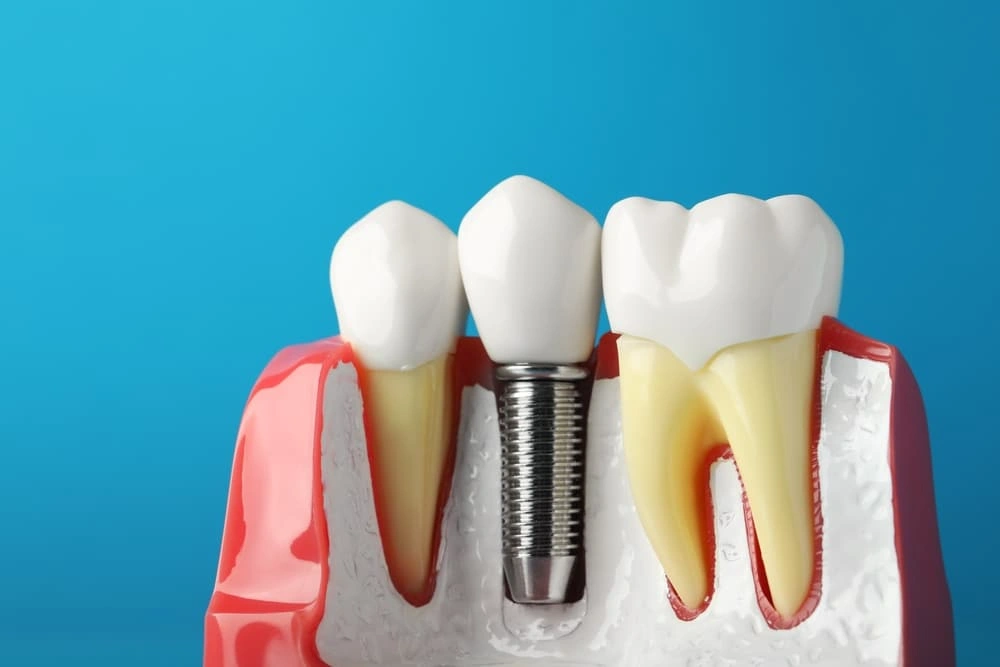
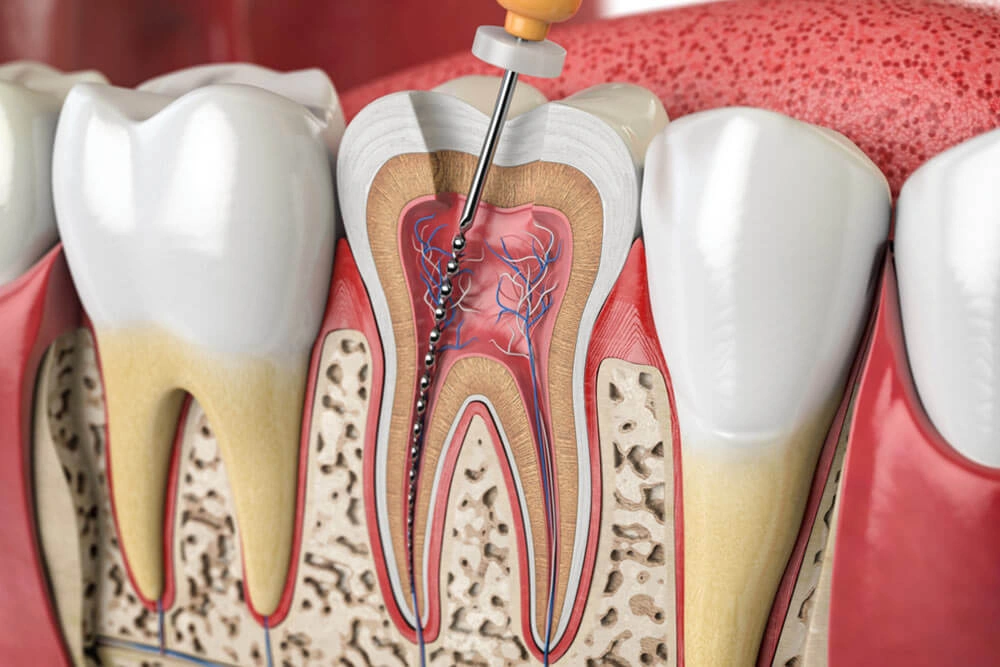
Let's start at the very beginning, shall we? Dental implants are artificial tooth roots, typically made from titanium, surgically inserted into the jawbone. They provide a sturdy foundation for replacement teeth, such as crowns, bridges, or dentures. It's like giving your mouth a new set of scaffolding—except, unlike scaffolding, they actually look good and don't be a safety hazard.
Now, why would seniors consider this? Well, aside from the obvious desire to look fabulous at the next bingo night, dental implants can help restore chewing function, speech clarity, and facial structure. Plus, they can improve self-esteem—because let's face it, no one wants to smile with gaps or ill-fitting dentures when there's a shiny new implant waiting.
Here's where the sarcasm kicks in: not everyone is blessed with a jawbone thick enough to hold those fancy implants. As we age, our bone density tends to decrease, making the thought of implant surgery sound less like a quick fix and more like an endurance challenge. If your jawbone isn’t up to par, a procedure called bone grafting might be necessary—because who doesn't love extra surgeries and recovery time? For more details, check out [dental surgery in Crescent Beach, BC](https://southsurreydentistry.com/post/dental-surgery-crescent-beach-bc).
Health-wise, seniors are often told to be cautious. That includes considering the risk factors associated with surgery. While dental implant procedures boast high success rates, certain health issues—like diabetes, osteoporosis, or smoking habits—can complicate things. But don't worry, your friendly dentist will happily weigh all these factors before scheduling that first poke into your jawbone. It's not like anyone loves surprises, especially not in their oral cavity.
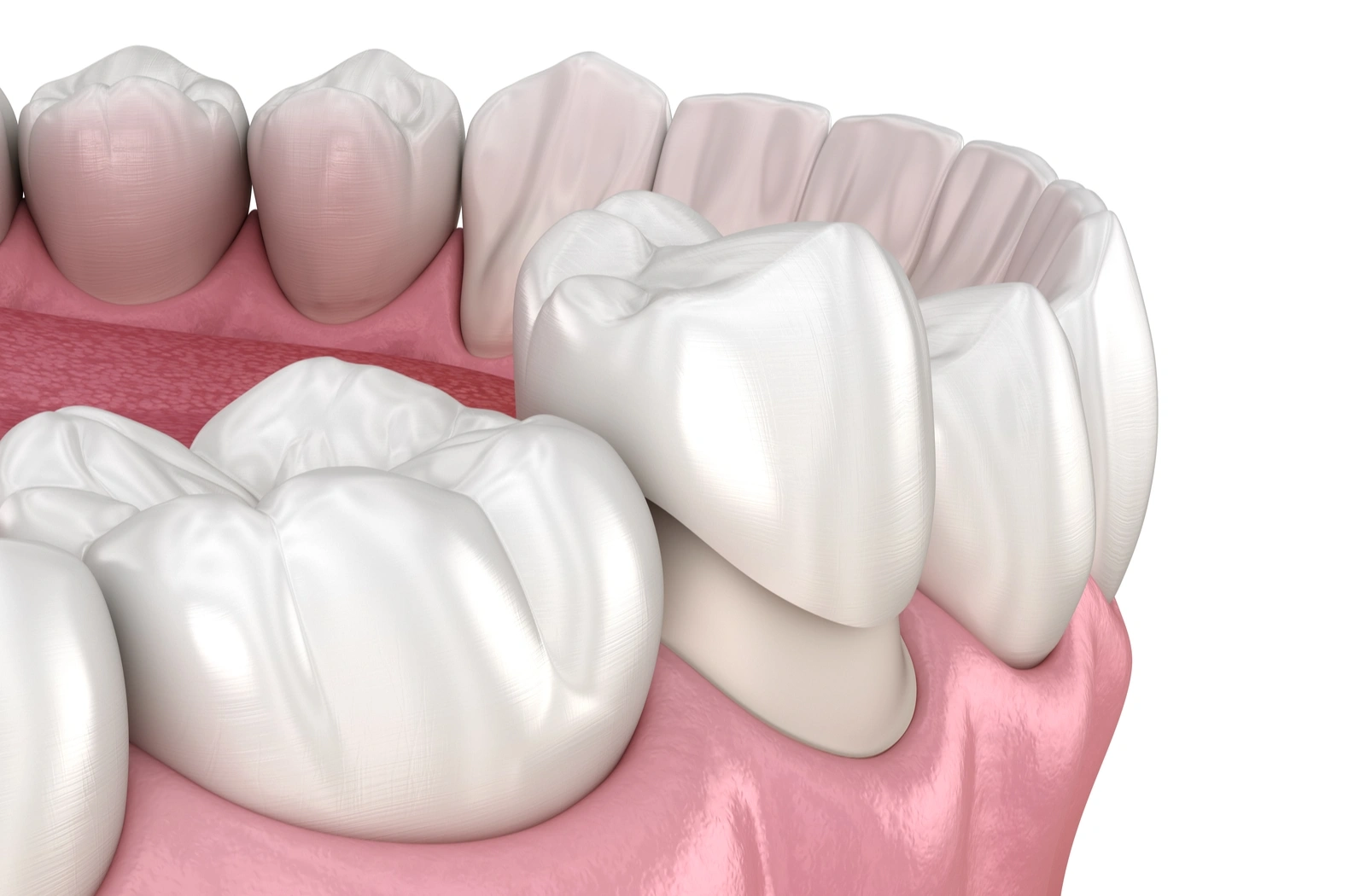
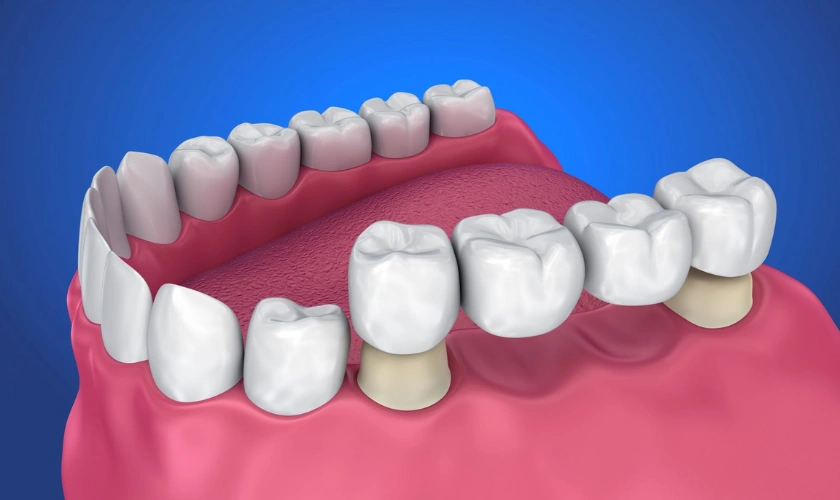
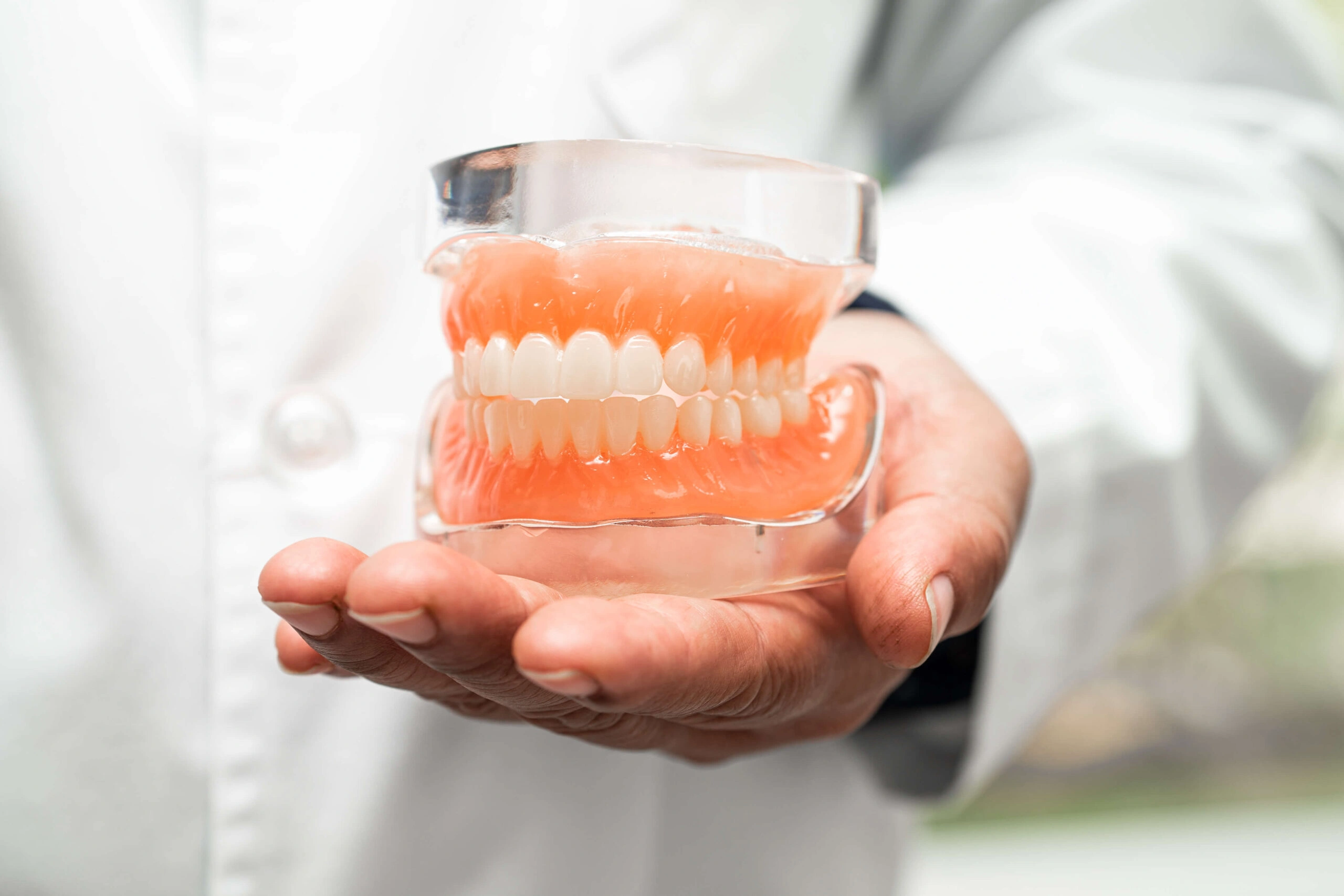
Let's get real: dentures are charming, but they jiggle, slip, and sometimes cause sore spots. Bridges? Well, they require grinding down healthy teeth, which is basically sacrificing your eagles for that shiny fox. Dental implants, on the other hand, are permanent, stable, and help prevent bone loss. Plus, they don't require messy adhesives or that awkward clicking sound during conversations. For more info on restorative options, take a peek at [dental crowns in Morgan Heights, BC](https://southsurreydentistry.com/post/dental-crowns-morgan-heights-bc).
Oh, the horror! Surgery, anesthesia, recovery—sounds like a vacation, right? Not quite. The process involves a few visits: initial evaluation, surgical placement, osseointegration (where your jawbone bonds with the implant), and finally, attaching the artificial tooth. Sure, there might be some discomfort and a few trips to the dentist, but honestly, what’s a little pain compared to the joy of eating steak again? And if you’re worried about the cost, check out [affordable dental services in Elgin, BC](https://southsurreydentistry.com/post/affordable-dental-services-elgin-bc) for budget-friendly options.
Imagine brushing your teeth versus trying to keep those dentures in place all day. Less hassle? Definitely. Implants require the same care as natural teeth—brushing, flossing, and regular check-ups. Speaking of floss, find out if [water flossers are better than string floss](https://southsurreydentistry.com/post/are-water-flossers-better-than-string-floss) and make your routine easier. Say goodbye to gooey adhesives or denture powders that seem to never work effectively.
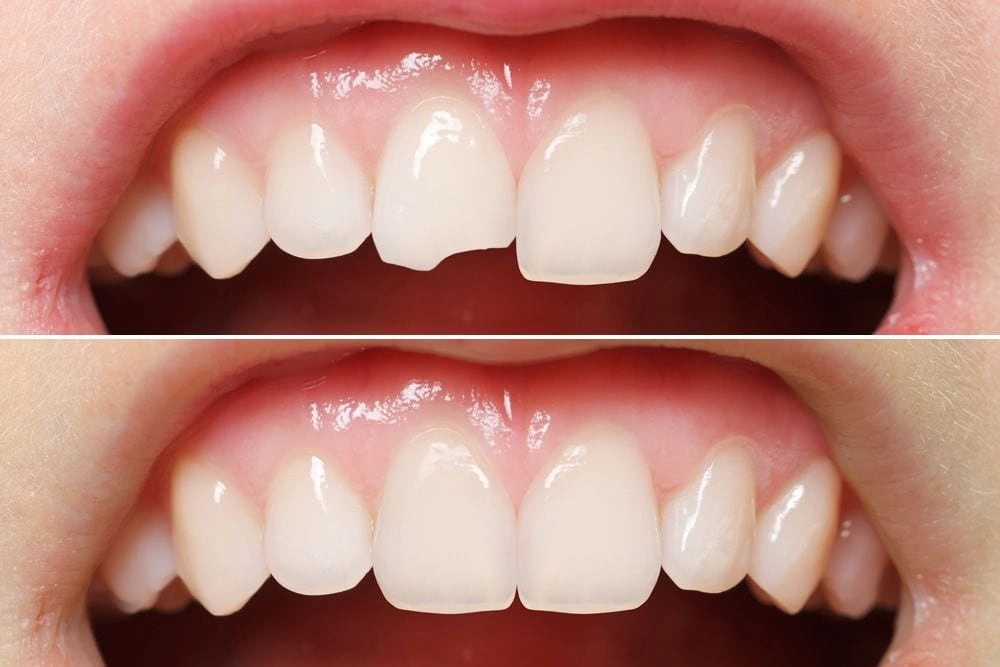
Absolutely. Many believe that implants are only for the young and tech-savvy. Wrong! Age is just a number, and if your health permits, implants can benefit seniors just as much as anyone else. Another myth? That implants look unnatural. In reality, they are designed to match your natural teeth seamlessly. So, no more hiding your smile behind a scarf or avoided photos. More details on procedures can be found in our posts about [dental crowns in Morgan Heights, BC](https://southsurreydentistry.com/post/dental-crowns-morgan-heights-bc).
Cost is a tricky subject because, let's face it, nobody wants to shell out a fortune. But quality is worth investment, and implants tend to last much longer than dentures or bridges. While a bit more expensive upfront, consider the savings over time—fewer repairs, replacements, and discomfort. For affordable options tailored to your needs, explore [affordable dentist services in Crescent Beach, BC](https://southsurreydentistry.com/post/affordable-dentist-crescent-beach-bc). As always, consult your dentist for personalized advice.
If you've been secretly mourning the loss of steak, apples, or crunchy cookies, rejoice! Dental implants restore the ability to chew confidently and comfortably. Say goodbye to those awkward moments where you pretend not to notice that your denture just slipped. Welcome back to enjoying your meals without fear or fuss. And yes, you can indulge in that caramel apple—just don’t forget to brush afterward!
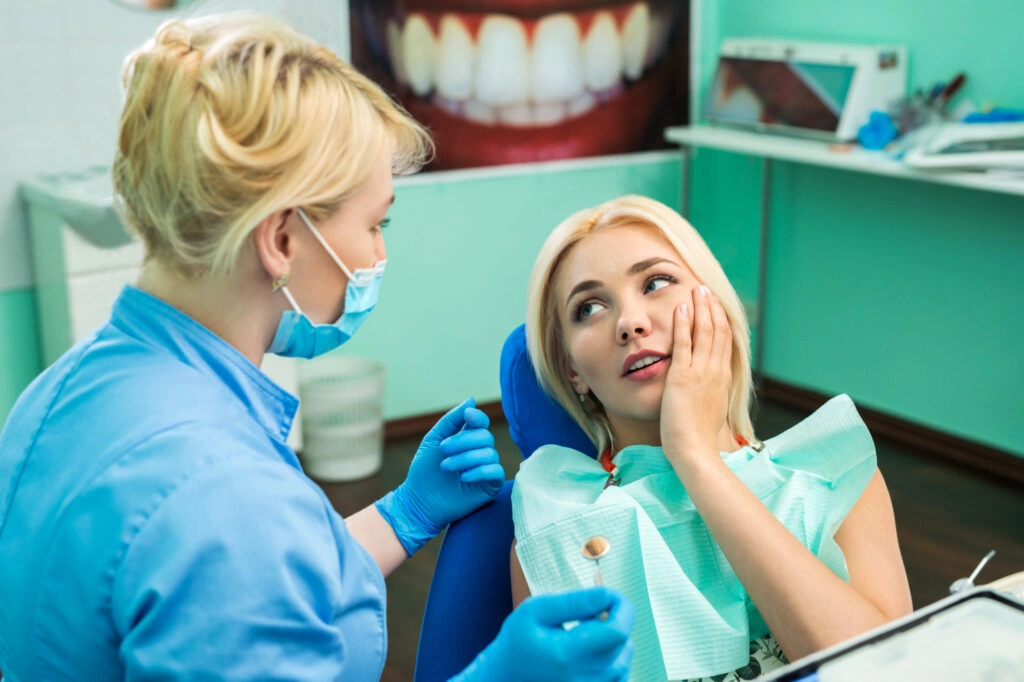
Great question! The best way to find out is to schedule a consultation with a qualified dentist who will assess your bone density, overall health, and oral condition. They’ll consider factors like your medical history, habits, and personal goals. If you’re lucky enough to qualify, you’ll join the ranks of seniors enjoying restored smiles and better quality of life. Curious about what the process entails? Our comprehensive guides cover all you need to know, including [dental surgery options](https://southsurreydentistry.com/post/dental-surgery-crescent-beach-bc) and implant planning.
Here's some good news: once you've had your implant placed and the artificial tooth attached, maintenance is pretty straightforward. Regular check-ups, good oral hygiene, and avoiding excessive forces (like opening stubborn jars with your teeth) ensure longevity. Unlike dentures, which can require adjustments over time, implants are a set-it-and-forget-it type of solution—within reason. Routinely visiting your dentist will catch any issues early and keep your smile shining. For ongoing care tips, visit our blog posts or ask your dentist about personalized plans.
So, after wading through all the myths, facts, and sarcasm, the bottom line is: for many seniors, yes, dental implants are a fantastic option. They restore functionality, improve aesthetics, and boost confidence—a match made in oral health heaven. Sure, there are considerations, and not every senior may qualify without extra procedures, but the benefits often outweigh the temporary inconveniences. Because who wouldn’t want fewer trips to the dentist and more reasons to smile?
- Are dental implants painful for seniors? Generally, local anesthesia minimizes discomfort during the procedure. Post-surgery soreness is manageable with pain relievers prescribed by your dentist.
- How long do dental implants last? With proper care, implants can last 20 years or more, making them a long-term investment in your oral health.
- Are dental implants suitable for all seniors? Not necessarily. Your dentist will assess your bone health, medical history, and oral condition to determine suitability.
- Can I get dental implants if I have osteoporosis? Osteoporosis can affect bone healing, so it's important to discuss this with your dental professional to evaluate risks and benefits.
- What should I do if my implant feels loose or uncomfortable? Contact your dentist promptly. Early detection can prevent more extensive issues later on.
In conclusion, the answer to the big question—are dental implants a good option for seniors?—is a resounding yes for most. They offer a way to reclaim your smile, your confidence, and your appetite. And perhaps, even spare you some of those dreaded trips to the dentist—well, at least fewer than you might think.