
Are Baby Teeth Cavities a Big Deal? Expert Insights Here!
Are Baby Teeth Cavities a Big Deal? Navigating the Journey of Early Dental Care
In the quiet moments of life, amidst the gentle giggles and small footsteps, the foundation for a lifetime of healthy smiles begins. As parents and caregivers, one of the most common questions that arises is, “Are baby teeth cavities a big deal?” This concern isn’t just about tiny, temporary teeth or fleeting concerns—it's about nurturing early oral health that influences overall well-being.
Why Do Baby Teeth Matter? Understanding Their Role in Childhood Development
Many wonder if primary teeth are worth the attention, especially considering they'll eventually fall out. The truth is that baby teeth serve vital functions long before they make way for adult teeth. They facilitate proper chewing, aid in speech development, and guide permanent teeth into correct alignment. Missing or damaged baby teeth can lead to malnutrition, speech delays, and misaligned adult teeth.
What Are Cavities in Baby Teeth? Recognizing Early Signs
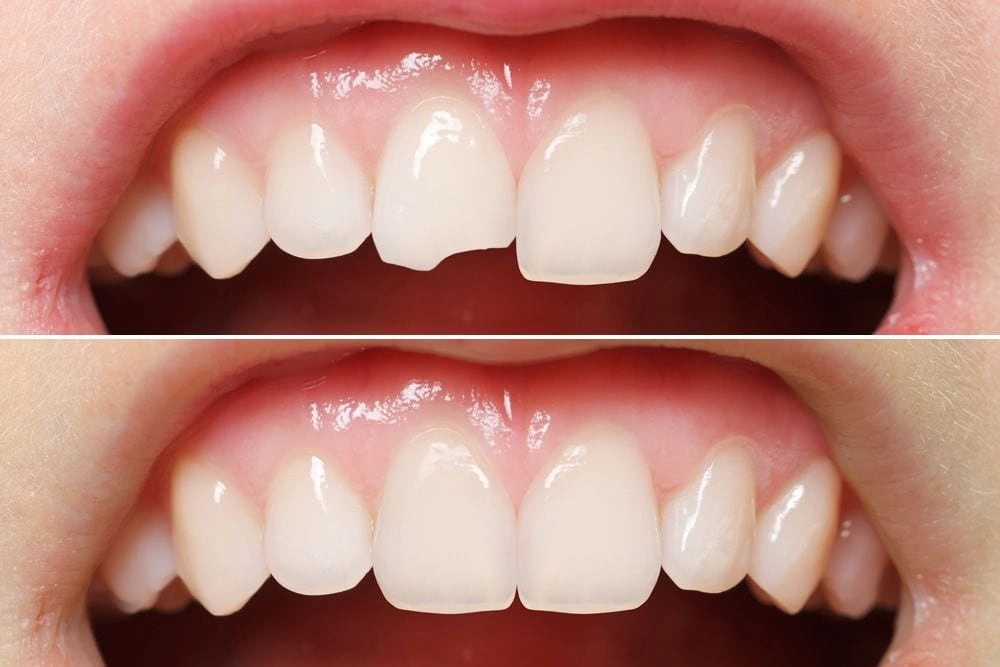
Cavities, also known as dental caries, are pockets of decay caused by bacteria metabolizing sugars and producing acids that erode tooth enamel. In infants and young children, cavities often appear as white or brown spots, visible holes, or rough patches on the teeth. Early detection is key to preventing further deterioration.
Are baby teeth cavities a big deal? What Are the Risks If Left Untreated?
Many parents worry that baby cavities are minor concerns. However, untreated cavities can have serious implications:
- Pain and Discomfort: Decayed teeth can cause significant pain, affecting eating, sleeping, and overall mood.
- Infection Risks: Deep cavities might lead to abscesses, which can spread to other parts of the body if not addressed promptly.
- Impact on Permanent Teeth: Decay can interfere with the eruption of adult teeth, causing misalignment or premature loss.
- Establishing Poor Oral Hygiene Habits: Cavities in early childhood can set a pattern for neglect and dental issues later in life.
How Can I Prevent Cavities in My Child’s Baby Teeth?
Prevention begins with creating a nurturing environment for oral health. Here are some actionable steps:
The American Academy of Pediatric Dentistry recommends scheduling the first dental visit within six months of the first tooth erupting, but no later than the child's first birthday. Early visits help in assessing risks and establishing good habits.
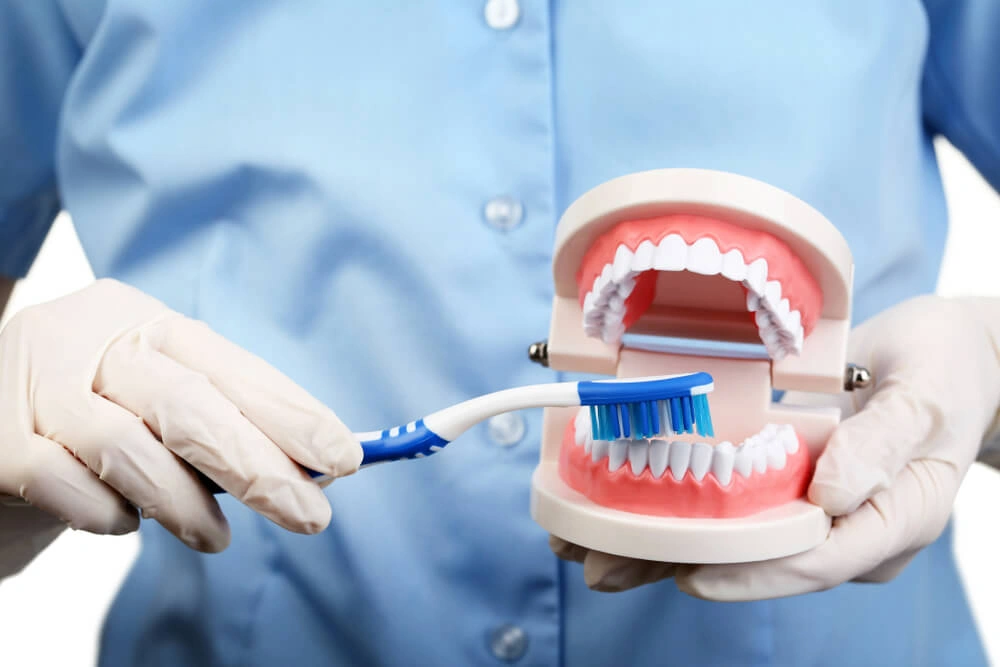
Regular brushing with fluoride toothpaste, supervised by parents, is essential. Flossing should begin once two or more teeth touch each other. Limiting sugary snacks and beverages, and encouraging water instead, significantly reduces cavity risk.
Yes. Fresh fruits, vegetables, and dairy products provide essential nutrients that strengthen teeth. Chewing sugarless gum can also stimulate saliva production, naturally neutralizing acids.
When Should I Consider Visiting a Specialist?
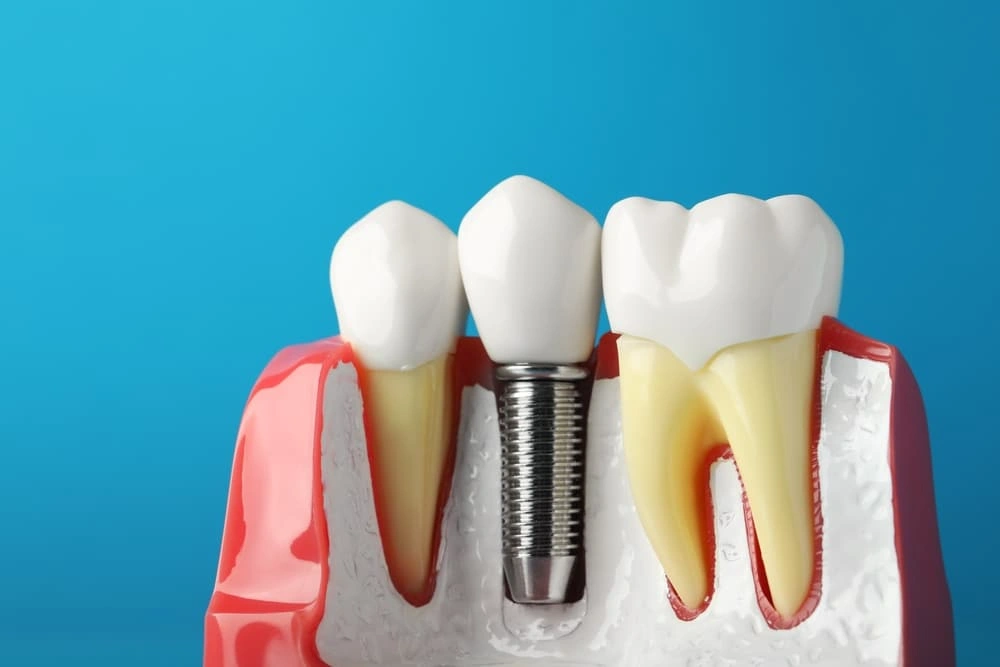
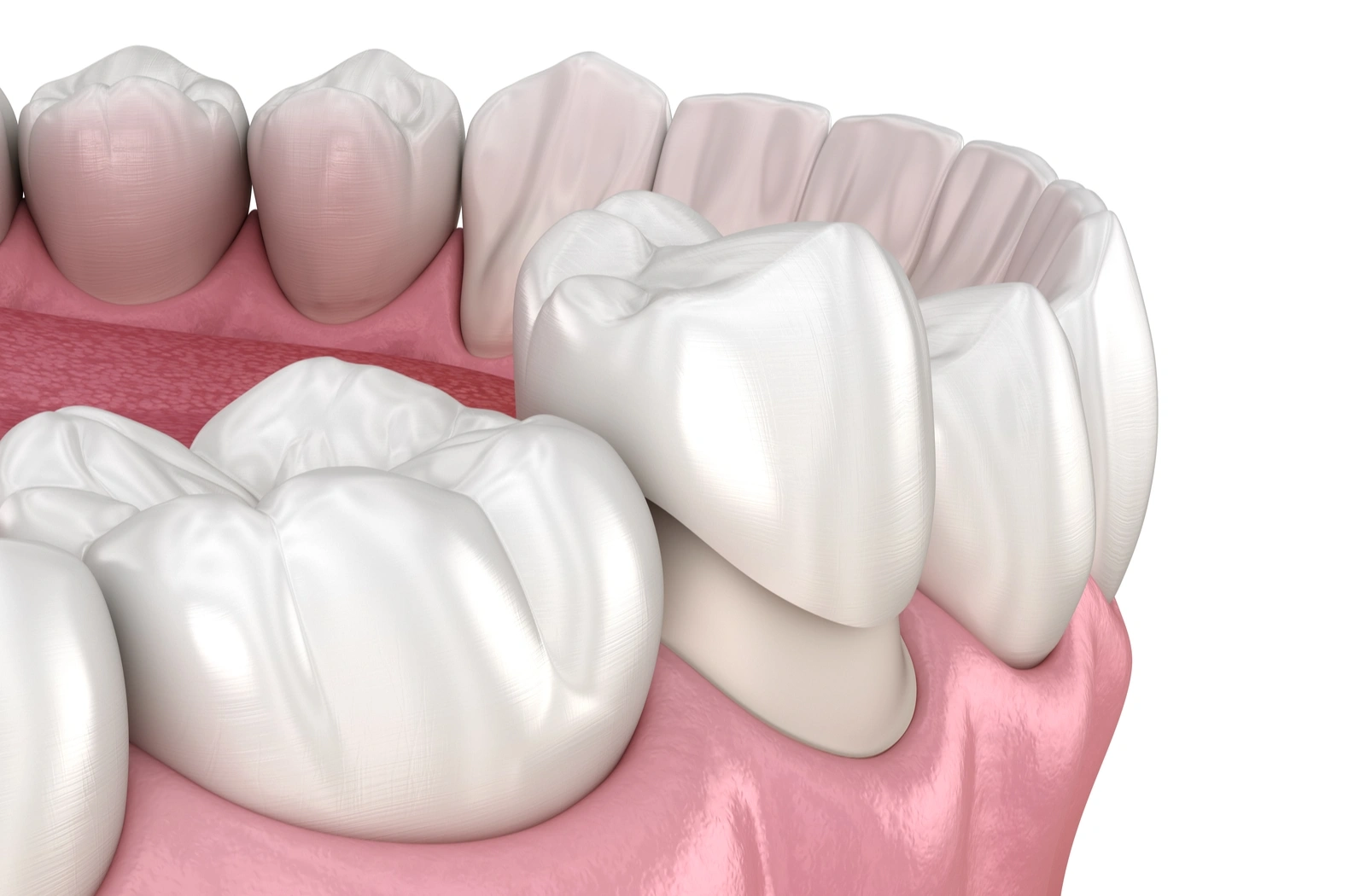
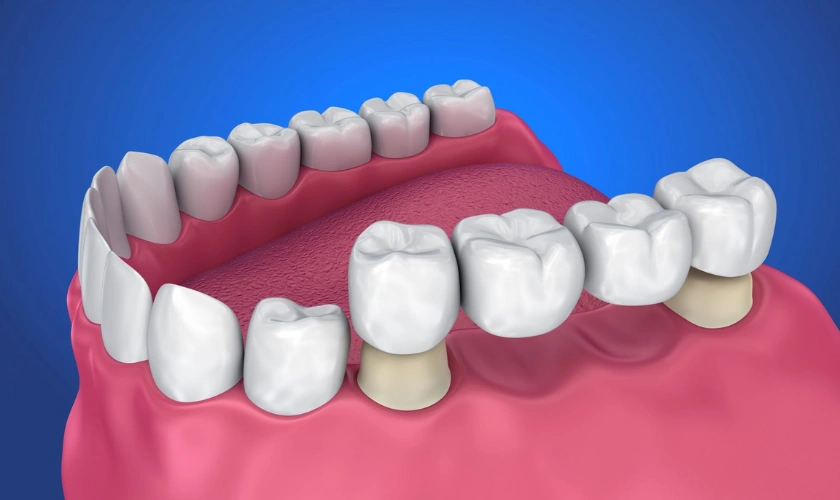
If your child's teeth show signs of severe decay, or if they experience persistent pain, consulting a specialist can be beneficial. Pediatric dentists are trained to handle specific needs of young children, ensuring comfort and optimal care. For advanced cases, procedures like dental crowns might be necessary. Discover more about dental crowns in Douglas BC to understand treatment options.
Is Treatment for Cavities in Baby Teeth Different from Adult Teeth?
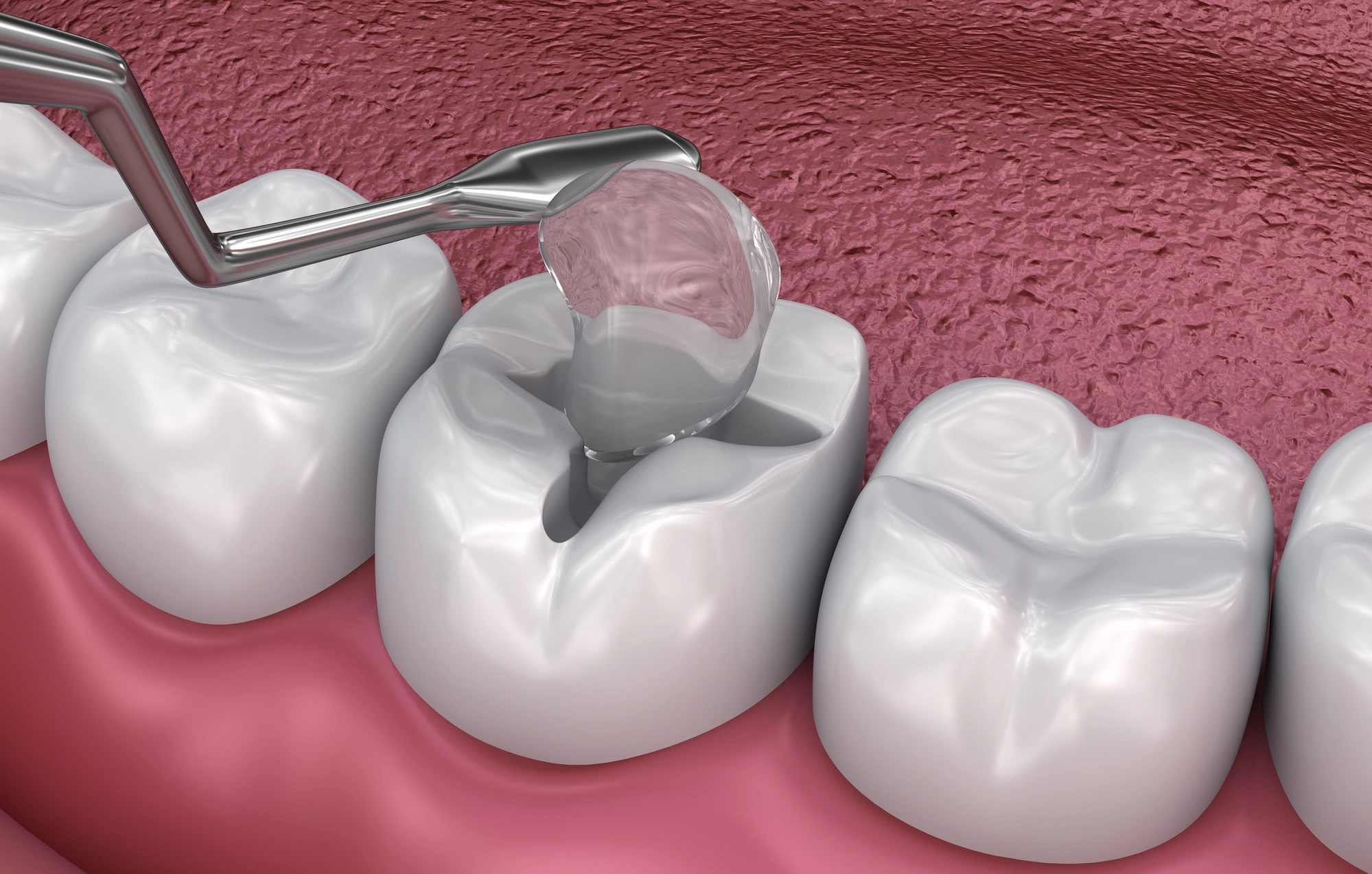
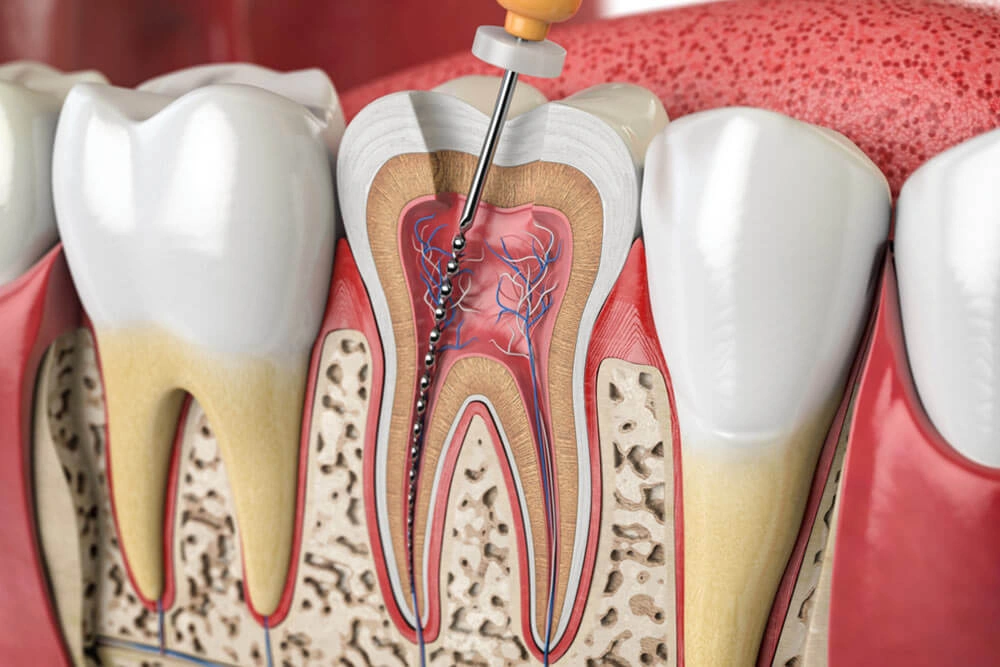
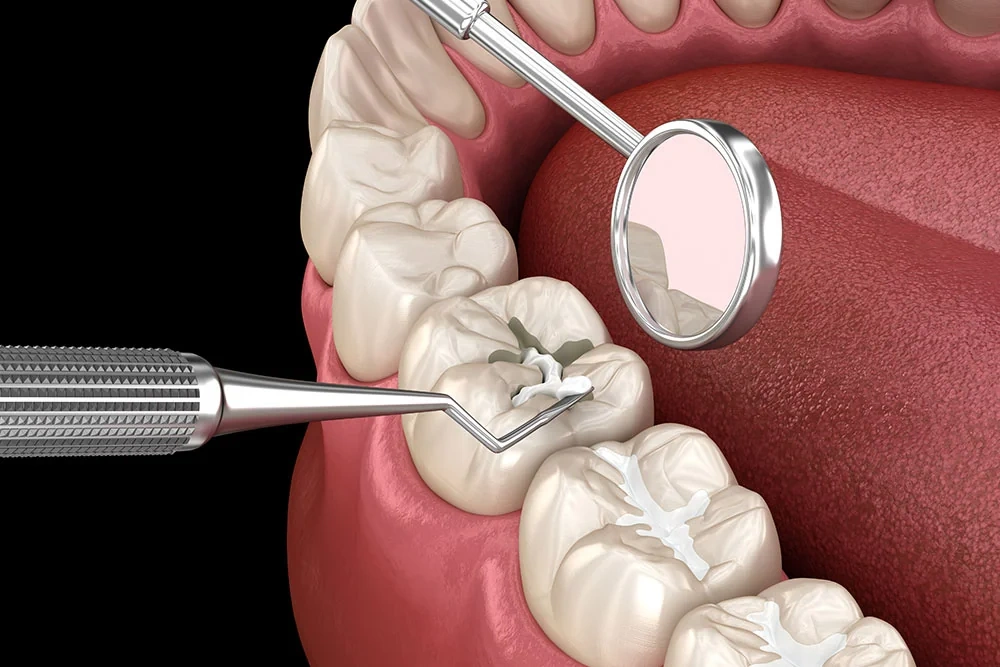
While the principles of dental care are similar, treatment strategies are tailored to children’s needs. Options include fluoride treatments for early decay, fillings for cavities, and in some cases, pulp therapy. The goal is to preserve the tooth and prevent further harm while ensuring the child's comfort.
Can My Child's Diet Influence Early Dental Health?
Absolutely. A balanced diet low in added sugars and high in calcium and phosphates helps strengthen enamel and reduce cavity risk. Encouraging water drinking over sugary drinks nurtures oral health naturally.
What Are Common Myths About Baby Teeth Cavities?
Dispelling misconceptions is crucial for proper dental care:
- Myth: Baby teeth don't matter because they'll fall out anyway.
Reality: They influence overall development and health; neglect can cause future problems. - Myth: Cavities are just a cosmetic issue.
Reality: They can cause pain, infection, and impact permanent teeth. - Myth: Sugar is the only cause of cavities.
Reality: Bacteria, poor oral hygiene, and acidic foods also contribute.
How Does Early Dental Care Shape Longer-Term Oral Health?
Building a foundation of positive dental habits in childhood extends benefits into adulthood. Regular dental visits, proper brushing, and healthy eating contribute to fewer cavities, less invasive treatments, and a brighter smile that lasts a lifetime.
In What Ways Can Parents Support Their Child’s Dental Journey?
Patience and consistency are key. Make dental visits a positive experience through storytelling and praise. Use age-appropriate tools and supervise brushing until your child develops good habits. Educate about the importance of oral health naturally and without fear.
Where Can I Find Quality Dental Care for My Child?
Finding the right dental clinic ensures comprehensive care and compassionate service. For families in South Surrey and nearby communities, South Surrey Dental offers specialized pediatric dentistry, modern treatments, and a soothing environment that makes every visit a positive step toward lifelong oral health.
What Are Next Steps for Ensuring My Child's Oral Health?
Start with an early dental visit, establish daily routines, and foster a positive attitude toward dental care. Regular check-ups and prompt treatment of cavities protect not just your child's teeth, but their confidence and overall health.
Frequently Asked Questions
Indeed, cavities in baby teeth are a significant concern because they can cause pain, infections, and disrupt proper growth of adult teeth. Early intervention can prevent complications and promote healthy development.
It is recommended to schedule a dental appointment within six months of the first tooth erupting, and no later than their first birthday. Early visits help establish good habits and monitor oral health progress.
Daily brushing with fluoride toothpaste, flossing when appropriate, and encouraging healthy eating are key steps. Limiting sugary foods and drinks also plays a critical role.
Persistent tooth pain, visible cavities, bleeding gums, or difficulty eating are signs that professional dental care is needed promptly.
Embrace the Calm, Nurture the Smile
In the gentle flow of life, fostering early dental health in children is more than a task—it's a mindful act of love and care. Every smile that brightens a face begins with the tender nurturing of those tiny, developing teeth. By understanding that “Are baby teeth cavities a big deal?”, you can approach early dental care with clarity, purpose, and serenity.
Trust South Surrey Dental to guide you along this journey, offering gentle, comprehensive pediatric dental services that protect and nurture your child's precious smile. Schedule an appointment today and take the first step toward a future filled with confidence and radiant health.